
Vacuum Pump Working
Our Product Range
Explore our engineered solutions designed to meet the toughest industrial demands.
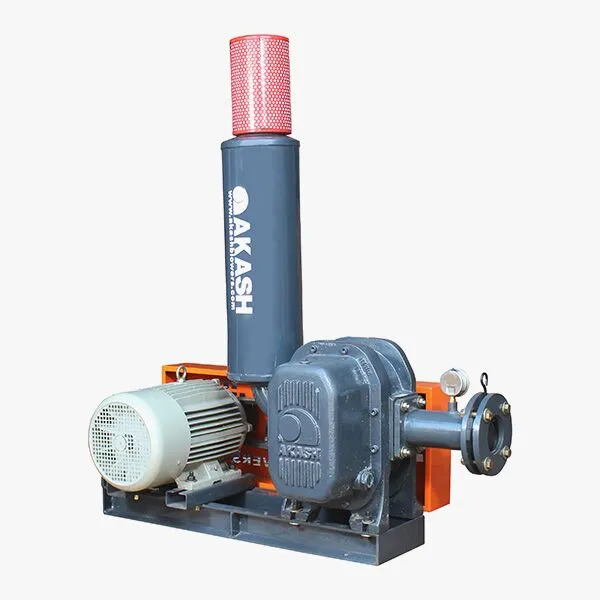
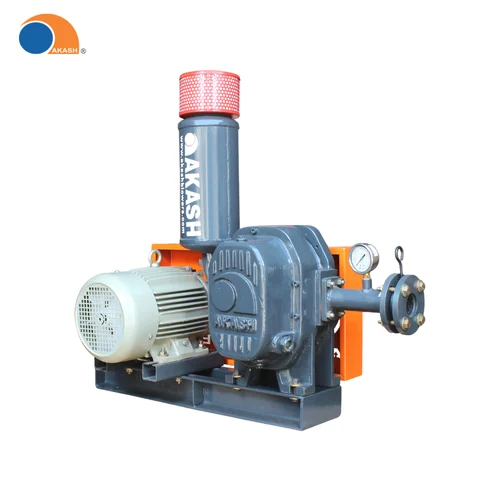
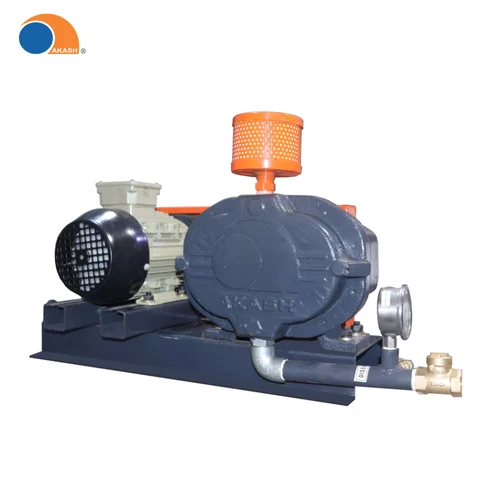
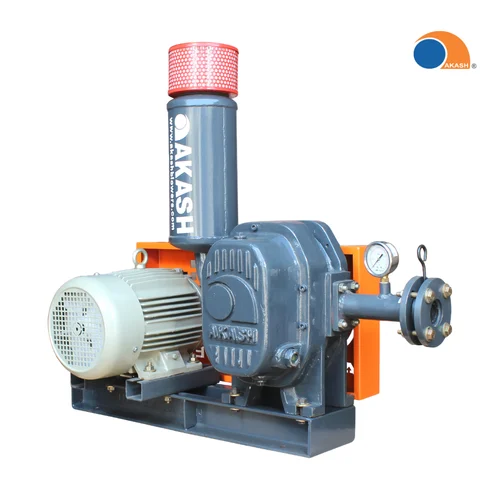
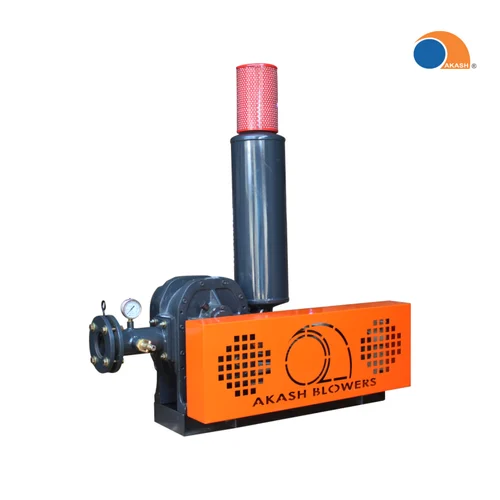
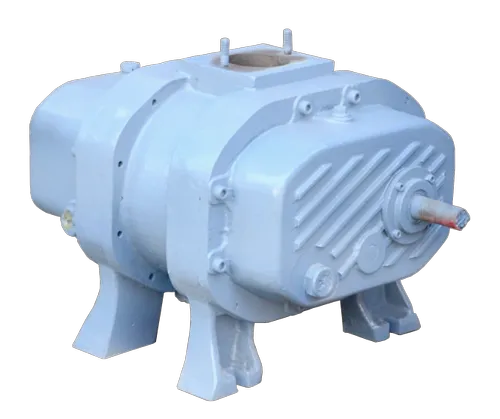
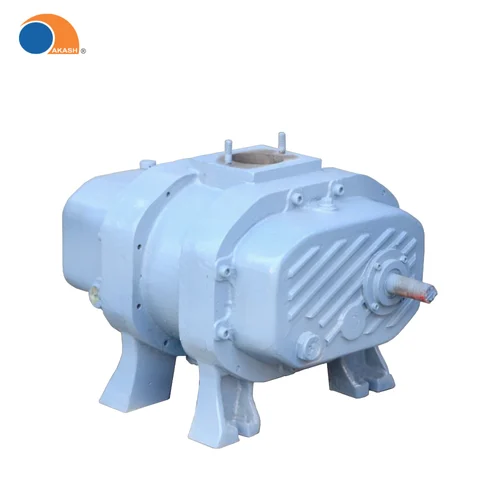
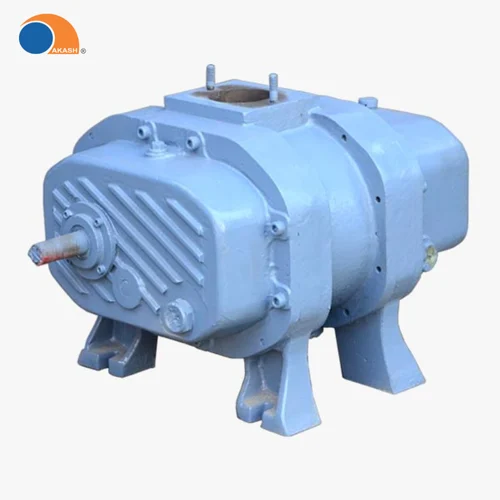
Twin Lobe Roots Blowers
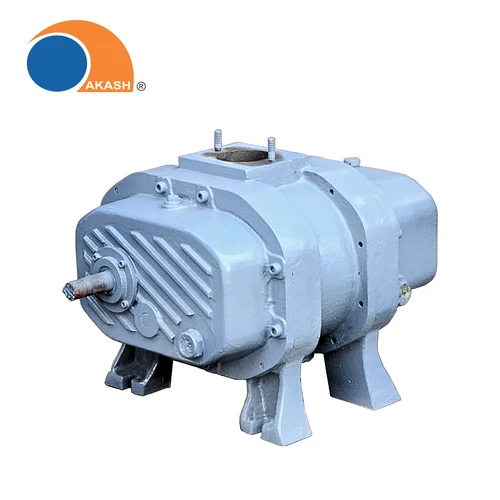
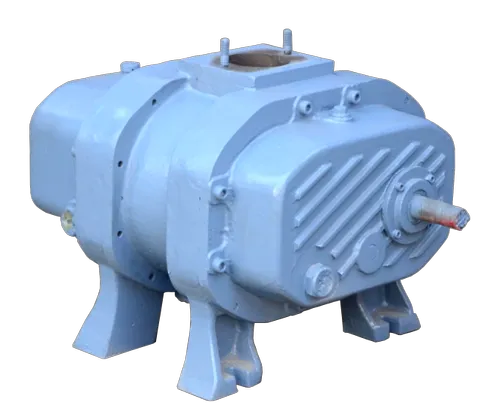
Twin Lobe Roots Blowers are highly reliable and durable positive displacement units, whose pumping capacity is determined by size, operating speed, and pressure conditions.
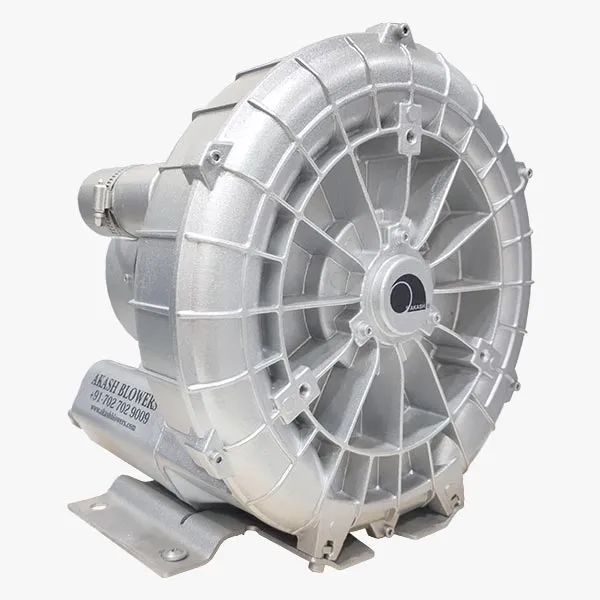
Ring/Side Channel Blowers
Ring/Side Channel Blowers feature spiral airflow, multiple air compression, and pulsation-free delivery, ensuring reliable, efficient, and high-performance industrial air supply.
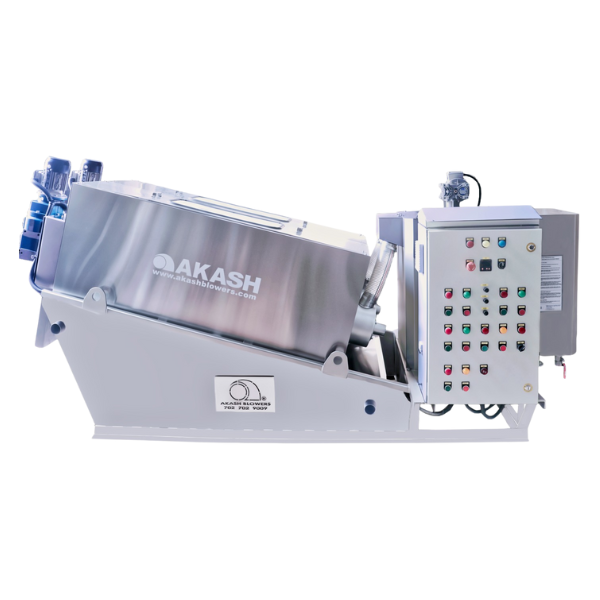
Sludge Dewatering Machine
AKASH Sludge Dewatering Machines separate solids from liquids, reducing sludge volume, lowering costs, and ensuring reliable wastewater management for industries.
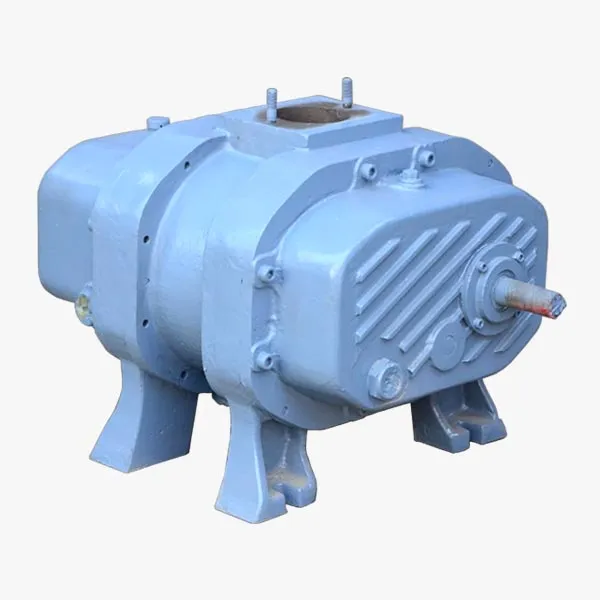
Gas Blowers
Gas Blowers are highly reliable positive displacement units designed to handle various industrial gases, with performance depending on size, speed, and pressure conditions.
overview
Vacuum Pump Working: Working Principle, Types, Applications and Industrial Guide
Understanding vacuum pump working is important for industries that require controlled pressure for manufacturing, drying, filtration, packaging, material handling, and process automation. A vacuum pump removes air, gases, vapours, or other substances from an enclosed system, reducing its internal pressure below atmospheric pressure.
The basic vacuum pump working principle is simple. The pump creates a pressure difference, draws gas from a chamber, and transfers it toward the discharge side. However, the exact mechanism depends on the pump design, vacuum level, gas load, moisture, temperature, and application.
For industrial users, choosing the correct vacuum pump requires more than checking its maximum vacuum rating. Pumping speed, system leakage, piping, process conditions, maintenance, and operating cycles all influence actual performance. This article explains vacuum pump working and its industrial importance in a simple and practical way.
What Is a Vacuum Pump?
A vacuum pump is a mechanical device used to remove gas molecules from a sealed or partially sealed system. As gas is removed continuously, the pressure inside the chamber decreases and a vacuum is created.
A vacuum pump works differently from a compressor. A compressor generally increases gas pressure, while a vacuum pump reduces pressure inside a connected chamber or process system.
Different industries require different vacuum levels and gas-handling capabilities. Therefore, vacuum pumps are available in several technologies, including rotary vane, liquid ring, diaphragm, screw, claw, and specialised high-vacuum pumps.
Vacuum Pump Working Principle
The vacuum pump working principle is based on creating a pressure difference between the connected system and the pump.
When the pump starts, pressure at the suction inlet becomes lower than the pressure inside the connected chamber. Gas therefore moves from the chamber toward the pump.
Inside the pump, mechanical or other pumping elements capture and transport the gas toward the discharge outlet. Continuous removal of gas reduces the pressure inside the chamber.
The basic process involves four stages: gas enters the pump, the gas is captured, the gas is compressed or transported, and the gas is discharged.
This cycle continues until the required vacuum level is achieved or the pump is stopped.
How Does a Vacuum Pump Work?
To understand how a vacuum pump works, imagine a sealed chamber filled with air. At atmospheric pressure, the chamber contains a large number of moving gas molecules.
When a vacuum pump is connected, it starts removing these molecules. As the quantity of gas decreases, pressure inside the chamber falls.
The pump continues extracting gas until the desired operating condition is reached. In real industrial systems, however, the chamber may not be perfectly sealed. Air can enter through leaks, while process materials can release vapours or gases.
Therefore, actual vacuum pump working depends on the balance between gas being removed and gas entering or being generated within the system.
This explains why a high-capacity pump cannot always solve poor vacuum performance caused by leakage or unsuitable piping.
Our Roots Blowers
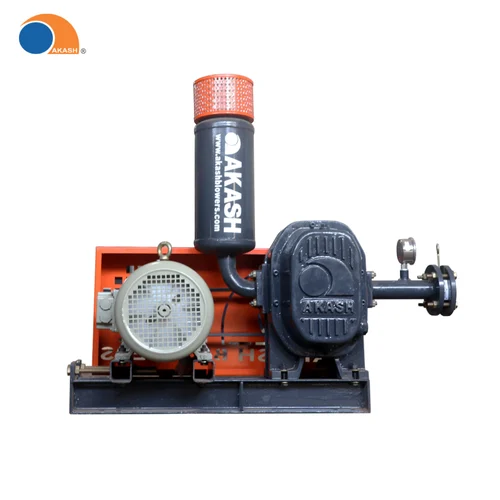
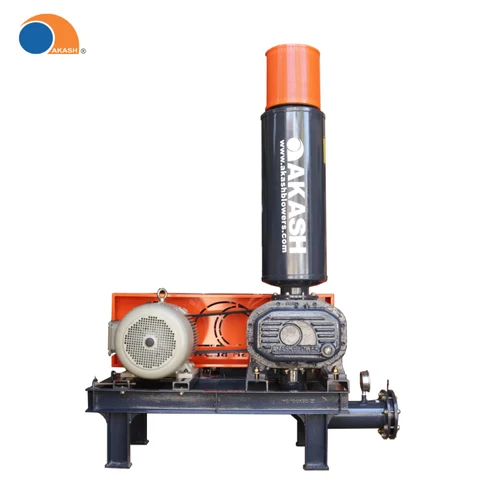
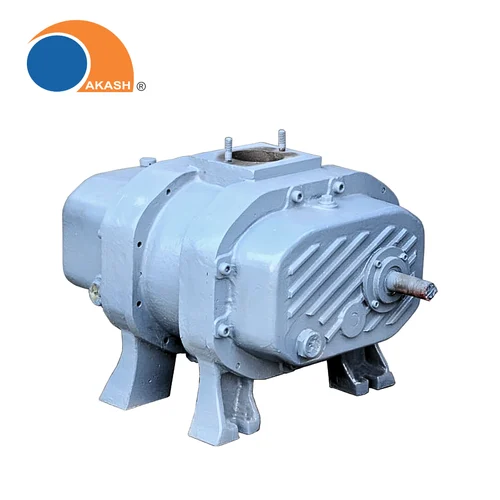
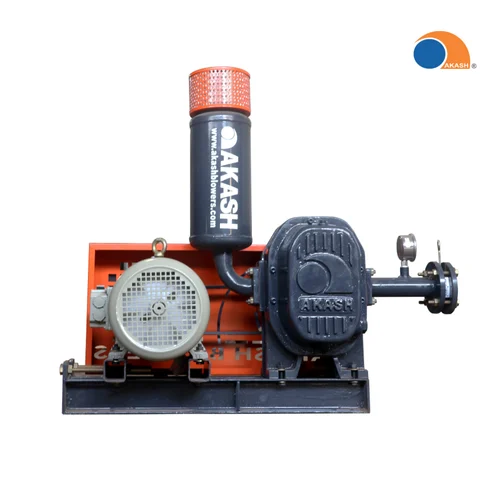
Comparison Table: Types of Industrial Gas Blower
| Feature | Gas Blower | Gas Compressor | Gas Fan |
|---|---|---|---|
|
Principle |
Positive displacement / rotary |
High-pressure compression |
Low-pressure airflow |
|
Pressure Level |
Low to medium |
Medium to high |
Very low |
|
Medium |
Ideal for gases |
Ideal for gases |
Mostly air |
|
Maintenance |
Low |
High |
Low |
|
Safety |
High for flammable gases |
High |
Moderate |
|
Typical Use |
Gas boosting & recirculation |
Fuel systems, pipelines |
Ventilation |
Industrial Vacuum Pump Working
Industrial vacuum pump working involves continuous or intermittent gas extraction under demanding operating conditions. Industrial applications may involve air, moisture, vapours, dust, chemicals, or other process gases.
For example, a packaging machine may mainly remove air, while a chemical process may involve corrosive vapours. A drying application may have significant moisture, requiring a pump designed for wet operating conditions.
A complete industrial vacuum system can include a pump, suction piping, valves, filters, separators, vacuum gauges, controls, and safety components.
All these components affect the final vacuum performance. Correct system design is therefore as important as selecting the pump itself.
Types of Vacuum Pumps
Different vacuum pumps use different mechanisms to remove gases. Selecting the right type depends on the required vacuum level and process conditions.
Rotary Vane Vacuum Pumps
Rotary vane pumps use a rotating rotor with sliding vanes. The vanes create chambers of changing volume as the rotor rotates.
Gas enters the chamber, becomes trapped, is compressed, and is then discharged. These pumps are widely used in industrial and laboratory applications where dependable vacuum generation is required.
Lubrication and contamination control are important considerations for many rotary vane designs.
Liquid Ring Vacuum Pumps
Liquid ring pumps use a rotating impeller and a sealing liquid to create pumping chambers.
As the impeller rotates, the liquid forms a ring around the chamber. The changing volume created between the impeller and liquid ring draws in and compresses gas.
One major advantage of this design is its ability to handle wet gases and certain vapours. This makes liquid ring pumps useful in processes where moisture is unavoidable.
Diaphragm Vacuum Pumps
Diaphragm pumps use a flexible diaphragm that moves back and forth. This movement changes the volume of the pumping chamber and draws gas through the system.
Many diaphragm pumps can operate without oil entering the gas path. This makes them suitable for applications where clean gas handling is important, including laboratories, filtration, chemical processing, and specialised equipment.
Dry Screw Vacuum Pumps
Dry screw pumps use rotating screw-shaped components to move gas from the suction side to the discharge side.
They are suitable for applications where oil-free operation, continuous performance, and contamination control are important. They are commonly considered for demanding industrial processes.
High Vacuum Pump Working Principle
The high vacuum pump working principle becomes more specialised as pressure decreases.
At very low pressures, fewer gas molecules remain inside the chamber. Conventional mechanical pumps can eventually reach their practical operating limits because of internal leakage, vapour pressure, backflow, and other factors.
High-vacuum systems may therefore use specialised pumping technologies or multiple pumping stages.
A backing pump can initially reduce pressure from atmospheric conditions. A specialised high-vacuum pump can then operate more effectively at lower pressures.
This type of arrangement is used in applications such as scientific research, surface treatment, coating, semiconductor manufacturing, and specialised industrial processes.
Pumping Speed and Vacuum Performance
Pumping speed is an important factor in vacuum pump working. It indicates how quickly gas can be removed from a system under defined conditions.
However, rated pumping speed does not always represent the actual pumping speed at the chamber.
Long suction pipes, narrow lines, excessive bends, valves, filters, and other restrictions can reduce gas flow. This means a pump with suitable specifications may still provide poor chamber performance if the vacuum piping is incorrectly designed.
For this reason, engineers should evaluate the entire system rather than selecting equipment based on a single pump specification.
Factors Affecting Vacuum Pump Working
System Leakage
Leakage is one of the most common reasons a system fails to achieve the required vacuum. Leaks can occur at seals, flanges, valves, pipe joints, and fittings.
When troubleshooting poor vacuum performance, the system should be inspected for unwanted air entry before assuming that the pump itself has failed.
Moisture and Vapour
Moisture and process vapours can influence pump performance. Condensation may also affect internal components.
Applications involving wet materials should use a pump technology suitable for the expected moisture and vapour load.
Gas Load
The pump must handle the quantity of gas entering or generated inside the system. A chamber continuously releasing gas needs sufficient pumping capacity to maintain its required vacuum.
Temperature
Temperature can affect seals, lubricants, vapour pressure, and internal components. Operating conditions should remain within the manufacturer’s recommended limits.
Piping Design
Poor piping can restrict gas movement. Suitable pipe dimensions, fewer unnecessary bends, and properly selected valves can improve effective pumping performance.
Applications of Vacuum Pumps
Vacuum pumps are widely used across industries, making vacuum pump working important for many industrial processes.
Packaging Industry
Vacuum systems remove air before sealing, supporting efficient vacuum pump working and better packaging quality.
Food Processing
Vacuum equipment is used for packaging, drying, evaporation, and deaeration.
Chemical Industry
Vacuum pumps support filtration, evaporation, distillation, drying, and solvent recovery. The vacuum pump working principle helps select suitable equipment for chemical applications.
Pharmaceutical Industry
Vacuum systems are used for drying, filtration, and concentration, where clean Industrial vacuum pump working is essential.
Plastics and Manufacturing
Vacuum pumps support forming, degassing, drying, and material handling.
Printing and Automation
Vacuum systems provide suction for paper handling, feeding, lifting, and automated machinery, using the high vacuum pump working principle where deeper vacuum levels are required.
Benefits of Proper Vacuum Pump Working
A vacuum pump may fail to achieve the required vacuum due to leaks, blocked filters, restricted piping, excessive vapour load, unsuitable pump selection, or damaged seals. These factors can directly affect vacuum pump working and the vacuum pump working principle.
High operating temperatures can reduce performance and component life. In Industrial vacuum pump working, unusual noise or vibration may indicate worn components, misalignment, or foreign material.
For systems following a high vacuum pump working principle, contamination from dust, liquids, chemicals, or process materials can also reduce efficiency and affect overall performance.

Vacuum Pump vs Compressor
| Feature | Vacuum Pump | Compressor |
|---|---|---|
|
Primary function |
Removes gas from a system |
Increases gas pressure |
|
Main objective |
Reduce system pressure |
Increase discharge pressure |
|
Operating focus |
Vacuum level and pumping speed |
Pressure and gas flow |
|
Typical application |
Drying, packaging and evacuation |
Pneumatic and pressurisation systems |
|
System design |
Vacuum chamber and suction piping |
Intake, compression and discharge system |
|
Process role |
Gas extraction |
Gas delivery |
Common Vacuum Pump Problems
A vacuum pump may fail to achieve the required vacuum due to leaks, blocked filters, restricted piping, excessive vapour load, unsuitable pump selection, or damaged seals. These factors can directly affect vacuum pump working and the vacuum pump working principle.
High operating temperatures can reduce performance and component life. In Industrial vacuum pump working, unusual noise or vibration may indicate worn components, misalignment, or foreign material.
For systems following a high vacuum pump working principle, contamination from dust, liquids, chemicals, or process materials can also reduce efficiency and affect overall performance.
How to Improve Vacuum Pump Performance
Choosing the right supplier is essential for reliable vacuum pump working. Akash Blowers provides dependable industrial vacuum solutions based on application requirements.
Understanding the vacuum pump working principle helps select the right equipment for efficient performance. For deeper vacuum applications, the high vacuum pump working principle is equally important.
Different industries require different solutions, making Industrial vacuum pump working an important consideration for proper equipment selection.
Akash Blowers supports new installations, upgrades, and vacuum system improvements with reliable, application-focused solutions.
Best Practices for Vacuum Pump Operation
Proper operation can significantly improve reliability and performance.
- Select the pump according to vacuum level, pumping speed, gas composition, moisture, temperature, and operating cycle.
- Inspect suction lines, seals, fittings, valves, and flanges regularly to identify leakage or flow restrictions.
- Use suitable filtration and separation equipment where dust, liquid, or process contamination may enter the pump.
- Monitor vacuum pressure, temperature, vibration, and unusual operating sounds to identify problems early.
- Follow the recommended maintenance schedule and use appropriate components and lubricants where required.
Why Choose Akash Blowers
Choosing the right equipment supplier is an important part of achieving dependable vacuum pump working and long-term industrial performance.
Akash Blowers focuses on industrial blower and vacuum-related solutions where reliability, application suitability, and consistent performance are essential. Understanding the vacuum pump working principle is important when selecting equipment for different industrial applications, as factors such as vacuum level, gas load, moisture, temperature, operating cycle, and piping design can directly affect performance.
For applications requiring deeper vacuum levels, understanding the high vacuum pump working principle becomes equally important. Proper equipment selection ensures that the system can maintain the required vacuum efficiently and consistently under actual operating conditions.
Different industries have different requirements, which is why Industrial vacuum pump working should always be evaluated according to the specific application rather than based on a single specification. An application-focused approach helps businesses select suitable equipment, improve system efficiency, reduce operational issues, and support reliable long-term performance.
Whether you are planning a new installation, upgrading existing equipment, or improving an underperforming vacuum system, Akash Blowers can support an application-oriented approach. By considering the complete system requirements and actual vacuum pump working, businesses can develop vacuum solutions designed for dependable and efficient industrial operation.
Conclusion
Understanding vacuum pump working is essential for selecting, installing, operating, and maintaining an effective vacuum system. The basic vacuum pump working principle involves removing gas from a system to reduce its internal pressure, but industrial performance depends on several additional factors.
Vacuum level, pumping speed, gas load, moisture, temperature, leakage, piping, and maintenance all influence results. Different pump technologies are designed for different operating conditions, making application-specific selection essential.
A properly designed vacuum system can improve process control, reliability, productivity, automation, and operational efficiency.
If you are planning a new vacuum installation or looking to improve an existing system, Akash Blowers can help you evaluate your application requirements and identify a suitable industrial vacuum solution. Choose a vacuum system designed around your process and take the next step toward reliable, efficient, and scalable vacuum pump working.
Frequaently Asked Question
Vacuum pump working involves removing air, gases, or vapours from an enclosed system to reduce its internal pressure below atmospheric pressure. The pump creates a pressure difference that causes gas to move from the chamber toward the pump, where it is captured, compressed, and discharged.
The vacuum pump working principle is based on continuously removing gas molecules from a closed system. As the amount of gas inside the chamber decreases, the pressure also decreases. Different vacuum pumps achieve this through mechanisms such as rotating vanes, diaphragms, liquid rings, screws, or other specialised pumping elements.
Industrial vacuum pump working involves extracting gases from process equipment, chambers, pipelines, or machinery. The pump creates suction at its inlet and transfers the extracted gas toward the discharge side. Industrial performance depends on pumping speed, vacuum level, gas load, piping, leakage, and operating conditions.
Common vacuum pump types include rotary vane pumps, liquid ring pumps, diaphragm pumps, dry screw pumps, claw pumps, and specialised high-vacuum pumps. Each type is designed for different vacuum ranges, gas loads, moisture levels, and industrial applications.
The high vacuum pump working principle involves removing gas at significantly lower pressures than conventional vacuum systems. High-vacuum installations may use specialised pumps or multiple pumping stages because conventional mechanical pumps can reach practical limitations at very low pressures.
Vacuum pump performance can be affected by system leakage, pumping speed, gas load, moisture, vapours, temperature, pipe diameter, pipe length, valves, filters, and pump condition. Properly evaluating these factors is essential for achieving the desired vacuum level.
Common causes include air leakage, blocked filters, unsuitable piping, excessive moisture or vapour, incorrect pump selection, damaged seals, and excessive gas load. The complete vacuum system should be inspected before assuming that the pump itself is faulty.
Pumping speed refers to the rate at which a vacuum pump can remove gas from a system under specified conditions. However, actual pumping speed at the vacuum chamber can be lower because piping, valves, bends, filters, and other restrictions can limit gas flow.
Some vacuum pumps are specifically designed to handle wet gases and moisture. Liquid ring pumps, for example, are commonly considered for applications involving significant moisture. Pump selection should always be based on the actual moisture and vapour conditions of the process.
A vacuum pump primarily removes gas from a system to reduce pressure, while a compressor increases the pressure of gas for delivery or process use. Vacuum pumps are commonly used for evacuation, drying, filtration, packaging, and lifting, whereas compressors are widely used in pneumatic and pressurisation applications.
Vacuum pumps are used in packaging, food processing, chemical manufacturing, pharmaceutical production, plastics, printing, laboratories, material handling, filtration, drying, coating, and many automated industrial processes.
Piping has a direct effect on vacuum performance. Long pipelines, narrow pipes, excessive bends, unsuitable valves, and restrictions can reduce effective gas flow. Properly designed suction piping helps the pump evacuate the connected system more efficiently.
Leakage allows atmospheric air or other gases to enter the system while the pump is trying to remove them. Even a small leak can prevent the system from achieving the required vacuum, particularly in applications requiring lower pressures.
Performance can be improved by selecting the correct pump, reducing system leakage, using suitable piping, maintaining filters, controlling moisture and vapours, monitoring operating conditions, and following a regular preventive maintenance programme.
Maintenance frequency depends on the pump design, operating conditions, gas composition, duty cycle, and manufacturer’s recommendations. Regular inspection of filters, seals, lubrication systems, valves, and other components helps identify problems before they affect production.
An undersized pump may struggle to reach or maintain the required vacuum, especially when the system has a high gas load. An unnecessarily oversized pump may also result in inefficient operation. Pump capacity should therefore be matched to the actual process requirements.
A vacuum gauge measures the pressure inside the vacuum system. It helps operators monitor whether the system is reaching and maintaining the required operating condition and can also assist with troubleshooting performance problems.
Yes, certain vacuum pumps are designed for continuous industrial operation. However, continuous operation requires selecting equipment suitable for the process duty, gas load, temperature, moisture, and environmental conditions. Proper cooling and maintenance are also important.
Start by determining the required vacuum level, pumping speed, gas composition, gas load, moisture content, operating temperature, duty cycle, and required operating environment. Piping and system leakage should also be considered before selecting the pump technology.
Akash Blowers focuses on industrial blower and vacuum-related solutions with attention to application requirements, reliable operation, and suitable equipment selection. Businesses can evaluate their specific process conditions and select a vacuum solution designed for dependable and efficient long-term performance.
What Our Clients Say About Us

RATHOD VIJAY
4 months ago
- List Item #1
- List Item #1
- List Item #1
- List Item #1
- List Item #1
Verified Purchase
Akash Blowers service always excellent, deliveries always on time, staff highly technical and cooperative. Industrial Roots Blower performance great.

Jayesh Pangam
3 months ago
- List Item #1
- List Item #1
- List Item #1
- List Item #1
- List Item #1
Verified Purchase
Product quality very good and after-sales support also reliable. With 100% spare parts available, their Ring Blowers service makes the team more dependable.

Arvind Raut
3 months ago
- List Item #1
- List Item #1
- List Item #1
- List Item #1
- List Item #1
Verified Purchase
Akash Blowers Pvt Ltd makes quality Air Blowers; with 5 years of support their service stays prompt and cost-effective. Roots Blower performance always reliable.

Akshara m
4 months ago
- List Item #1
- List Item #1
- List Item #1
- List Item #1
- List Item #1
Verified Purchase
Best and timely service providers offering quick support and smooth coordination, delivering dependable Water Treatment Blower solutions for every requirement.
Aparna S
3 months ago
- List Item #1
- List Item #1
- List Item #1
- List Item #1
- List Item #1
Verified Purchase
Good staff service, quick quotes, and efficient Roots Blower performance. Client fully satisfied and issues resolved instantly. Well done Akash Blowers.

Anuj Sharma
3 months ago
- List Item #1
- List Item #1
- List Item #1
- List Item #1
- List Item #1
Verified Purchase
Good experience with Akash Products. Best service, on-time delivery and friendly staff. A trusted choice for Twin Lobe Roots Blower users.

Himmat Singh
Month ago
- List Item #1
- List Item #1
- List Item #1
- List Item #1
- List Item #1
Verified Purchase
Product quality very good, sales and service staff helpful, spare parts easy to get, and their Ring Blower support remains reliable and smooth.

Amit Yadav Yadav
3 years ago
- List Item #1
- List Item #1
- List Item #1
- List Item #1
- List Item #1
Verified Purchase
We’re associated for 5 years; models like AB-305, AB-44, AB-52 work great. Support is reliable, especially in Industrial Roots Blower solutions.

Divyanshu pandey
2 months ago
- List Item #1
- List Item #1
- List Item #1
- List Item #1
- List Item #1
Verified Purchase
I like all the work of this company. Very best 👍🏻 Best quality material and reliable Air Blower and Roots Blower products.

UNISTAR AQUATECH
2 months ago
- List Item #1
- List Item #1
- List Item #1
- List Item #1
- List Item #1
Verified Purchase
Very good experience with Akash Blower Company. Supportive team and quick response. Trusted for Water Treatment Blower solutions.

Dhanashree Jadhav
3 months ago
- List Item #1
- List Item #1
- List Item #1
- List Item #1
- List Item #1
Verified Purchase
Very nice service provided by Akash Blowers team. Reliable support for Ring Blower and other Industrial Roots Blower needs.

Pardeep Kumar
3 years ago
- List Item #1
- List Item #1
- List Item #1
- List Item #1
- List Item #1
Verified Purchase
Such a wonderful company to buy Ring Blower. Purchased 1 year ago, still works perfectly. Fully satisfied with Roots Blower support.

Sumeet bansal
2 months ago
- List Item #1
- List Item #1
- List Item #1
- List Item #1
- List Item #1
Verified Purchase
Their products and service are very good. Trusted for high-quality Air Blower and reliable Twin Lobe Roots Blower solutions.

Ewaltz works
9 months ago
- List Item #1
- List Item #1
- List Item #1
- List Item #1
- List Item #1
Verified Purchase
Akesh Blowers provides best on-time service and delivery. Technical, cooperative staff. Ideal for Roots Air Blower, Screw Press, and spares.

Saumyaranjan Nayak
10 months ago
- List Item #1
- List Item #1
- List Item #1
- List Item #1
- List Item #1
Verified Purchase
Best on-time service and delivery within 24–48 hours. Friendly, cooperative staff. Ideal for Roots Blower and Industrial Air Blower needs.

Account Amitaqua
3 months ago
- List Item #1
- List Item #1
- List Item #1
- List Item #1
- List Item #1
Verified Purchase
Good experience with Akash Products; their service is reliable, and both Air Blower and Roots Blower solutions deliver consistent high quality.

Mohit Kumar
2 months ago
- List Item #1
- List Item #1
- List Item #1
- List Item #1
- List Item #1
Verified Purchase
Good product and excellent service. Trusted for reliable Air Blower and high-quality Twin Lobe Roots Blower solutions.

Kishan Bhagat
11 months ago
- List Item #1
- List Item #1
- List Item #1
- List Item #1
- List Item #1
Verified Purchase
Company bahut achi hai. Staff bhi bahut acha hai. 3 saal se koi problem nahi hui. First-class service for Ring Blower & Roots Blower.

Harsh Sharma
10 months ago
- List Item #1
- List Item #1
- List Item #1
- List Item #1
- List Item #1
Verified Purchase
Good company nd quality of blowers so good nd service bhi too good. Ring Blower and Air Blower products are very reliable.

Sudhish Kumar
10 months ago
- List Item #1
- List Item #1
- List Item #1
- List Item #1
- List Item #1
Verified Purchase
Good experience with Akash Products. Nice design, excellent output as per requirement. Trusted for Roots Blower & Air Blower.
Review Us on Google
Take a moment to review us on Google and let us know how we’re doing. Your feedback helps us improve and continue delivering the best solutions.
Click Herevacuum pump working, vacuum pump working principle, Industrial vacuum pump working, high vacuum pump working principle, vacuum pump working
vacuum pump working, vacuum pump working principle, Industrial vacuum pump working, high vacuum pump working principle, vacuum pump working
vacuum pump working, vacuum pump working principle, Industrial vacuum pump working, high vacuum pump working principle, vacuum pump working