
How Water Cooled Roots Blower Work
Our Product Range
Explore our engineered solutions designed to meet the toughest industrial demands.
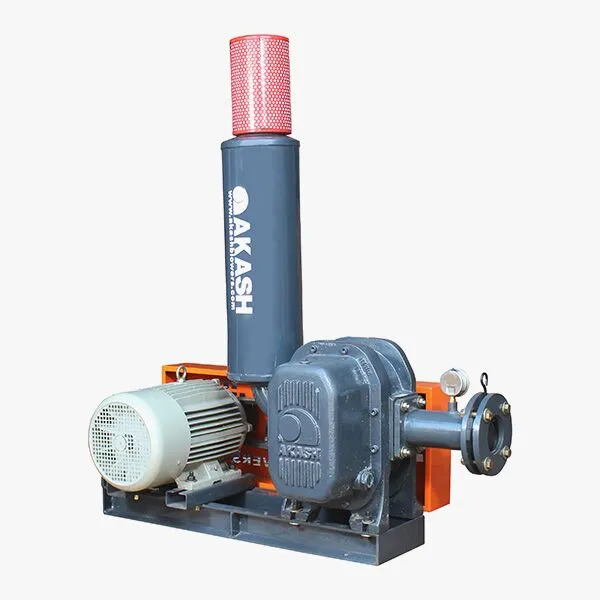
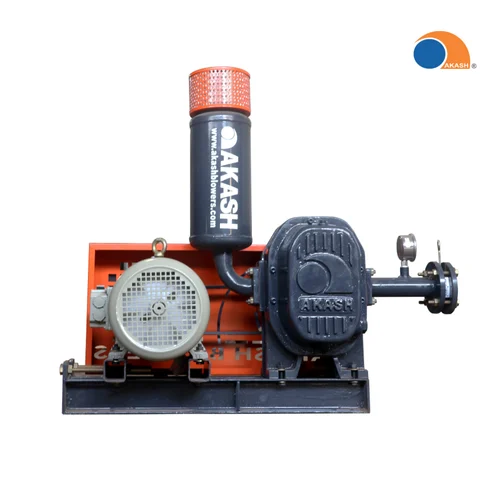
Twin Lobe Roots Blowers
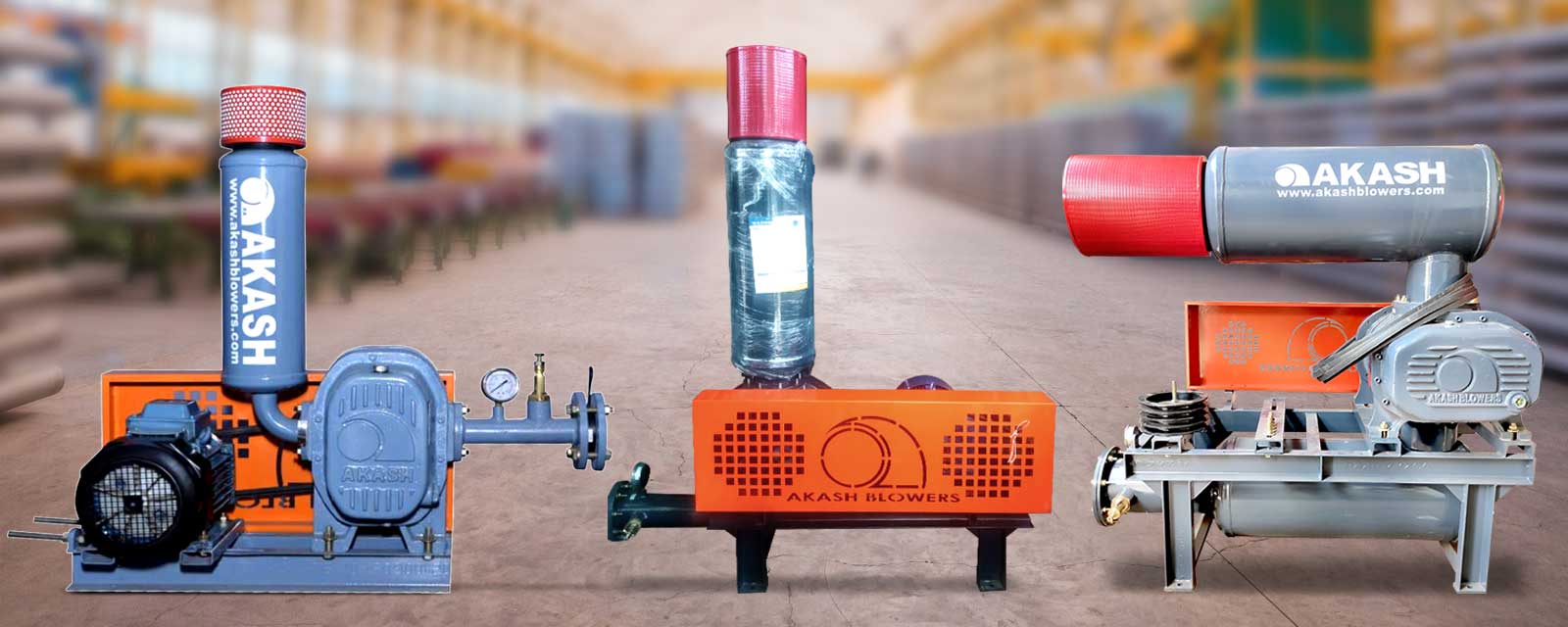
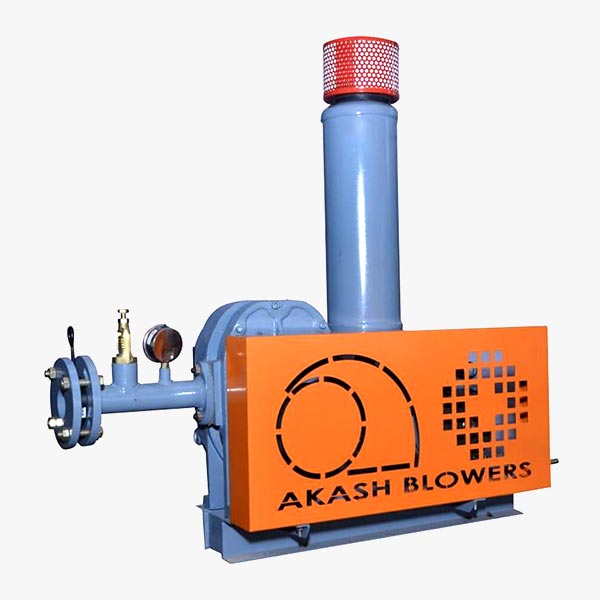
Twin Lobe Roots Blowers are highly reliable and durable positive displacement units, whose pumping capacity is determined by size, operating speed, and pressure conditions.
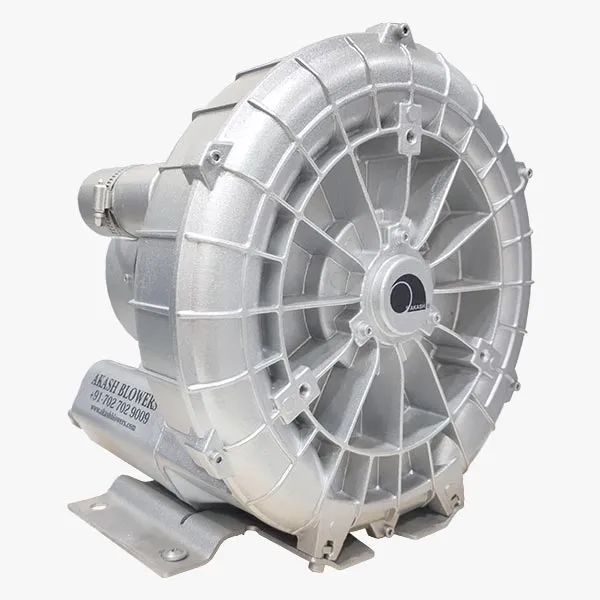
Ring/Side Channel Blowers
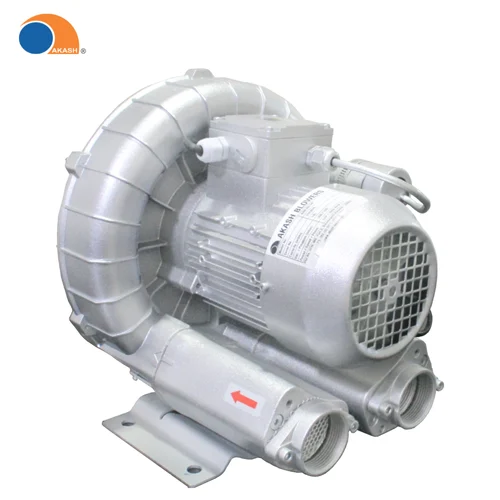
Ring/Side Channel Blowers feature spiral airflow, multiple air compression, and pulsation-free delivery, ensuring reliable, efficient, and high-performance industrial air supply.
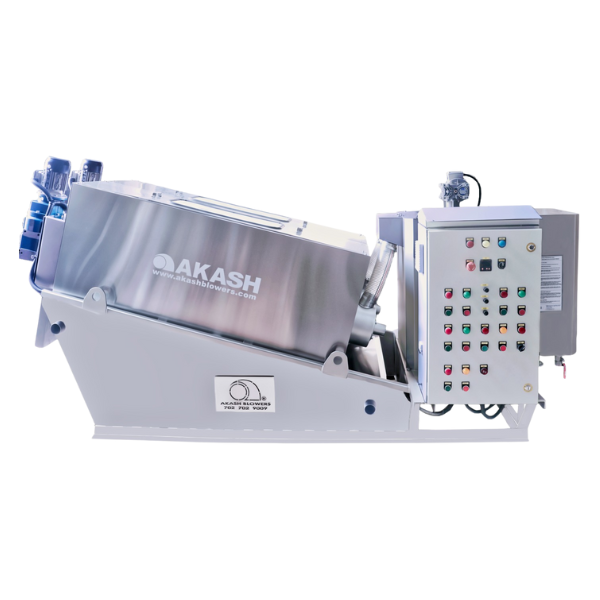
Sludge Dewatering Machine
AKASH Sludge Dewatering Machines separate solids from liquids, reducing sludge volume, lowering costs, and ensuring reliable wastewater management for industries.
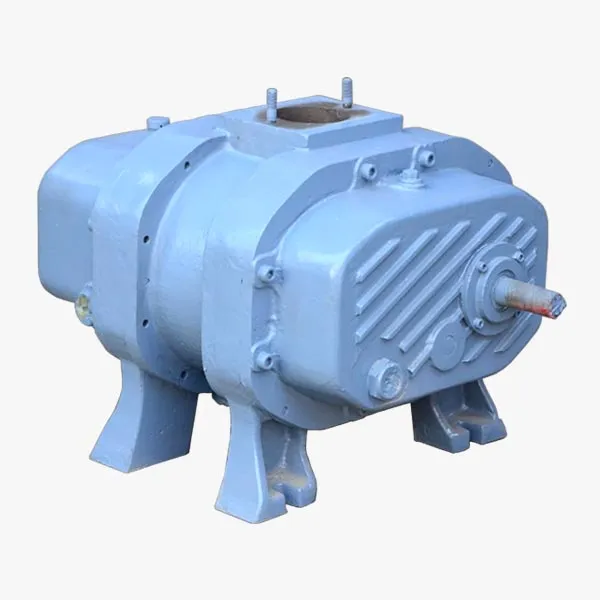
Gas Blowers
Gas Blowers are highly reliable positive displacement units designed to handle various industrial gases, with performance depending on size, speed, and pressure conditions.
overview
A water cooled roots blower is a heavy duty blower designed for industrial air handling where continuous airflow, stable pressure, and effective thermal management are required. In demanding plants, a standard air-cooled industrial blower may face rising discharge temperature when operating at higher pressure or for long duty cycles. This is where water jacket cooling becomes important. It removes excess heat from the blower casing, side plates, and cooling chamber so the machine can operate reliably for long hours.
Understanding how water cooled roots blower work helps engineers, maintenance teams, and procurement managers select the right blower for wastewater treatment, cement plants, chemical processing, pneumatic conveying, aquaculture, and other industrial applications. A roots blower is a positive displacement blower that moves a fixed volume of air with every rotation, while the water circulation system supports heat dissipation and stable operation. Positive displacement blowers are widely used where consistent air volume is needed under variable system pressure.
This article explains the Water cooled roots blower working principle, Roots blower water cooling system explanation, major components, benefits, maintenance practices, and common troubleshooting points. It also explains How water cooling works in roots blower systems from a practical mechanical engineering perspective
What is a Water Cooled Roots Blower?
A water cooled roots blower is a positive displacement blower that uses two precision-machined rotors to move air or gas from the inlet side to the outlet side. It is also known as a twin lobe roots blower, rotary lobe blower, or industrial blower depending on the design and application. The main difference between a standard roots blower and a water cooled roots blower is the presence of water jackets, cooling channels, or a cooling chamber around critical heat zones.
The basic construction includes a blower casing, twin rotors, timing gears, bearings, shafts, seals, inlet port, outlet port, and water jacket cooling arrangement. The rotors rotate in opposite directions without touching each other or the casing. Air is trapped between the rotor lobes and the housing, then carried toward the outlet. This design minimizes internal contact and supports reliable industrial air system performance.
In standard roots blowers, heat is mostly released through air circulation and surface radiation. In a water cooled roots blower, heat dissipation is more controlled because cooling water continuously absorbs heat from the casing and side plates. This makes it suitable for high pressure blower applications, continuous duty blower operation, and heavy duty blower service where temperature control directly affects blower efficiency and service life. AKASH describes water-cooled air blowers as using water jackets around the casing and side plates for heat dissipation in demanding high-pressure applications.
How Water Cooled Roots Blower Work
The best way to understand how water cooled roots blower work is to follow the complete movement of power, air, pressure, and heat inside the machine. First, an electric motor supplies power through a coupling, belt drive, or direct drive arrangement. This power rotates the drive shaft, which transfers motion to one rotor. Timing gears then synchronize both rotors so they rotate in opposite directions with accurate clearance.
As the rotors begin moving, air enters through the inlet port. The rotating lobes create pockets between the rotor surface and blower casing. These pockets trap air and carry it around the outer side of the casing toward the discharge port. The rotors do not compress the air internally like a screw compressor. Instead, they displace a fixed volume of air and push it against the resistance already present in the outlet pipeline or process system. This is the core reason why a roots blower is called a positive displacement blower.
Pressure generation happens when the displaced air reaches the outlet side and meets system back pressure. For example, in wastewater aeration, air must overcome water depth and diffuser resistance. In pneumatic conveying, air must overcome pipeline friction and material load. As resistance increases, the blower requires more power, and heat generation also increases.
This is where water cooling becomes essential. In a water cooled roots blower, cooling water enters the water jacket or cooling chamber through the inlet connection. It flows through internal cooling channels around the blower casing and hot zones. As heat transfers from the metal body into the circulating water, the operating temperature remains more stable. The heated water then leaves through the outlet and is replaced by cooler water from the water circulation system.
In practical terms, how water cooled roots blower work can be understood as two parallel processes. The mechanical section moves air continuously, while the cooling section removes heat continuously. This combined action supports stable airflow, safer bearing temperature, reduced thermal expansion, and better blower efficiency. Robuschi notes that roots blowers move air without internal compression, while other compressor types may compress air internally.
When the blower runs for long hours, temperature control becomes more important than it appears on paper. Excessive heat can reduce lubrication quality, affect bearing life, increase rotor clearance variation, harden seals, and reduce mechanical reliability. Therefore, how water cooled roots blower work is not only about air displacement. It is also about mechanical cooling, thermal management, and maintaining predictable performance in industrial air handling systems.
Water Cooled Roots Blower Working Principle
The Water cooled roots blower working principle is based on positive displacement. In this principle, a fixed amount of air is trapped and moved from inlet to outlet with each rotor revolution. Unlike centrifugal fans, which depend strongly on velocity and dynamic pressure, a roots blower delivers a relatively constant volume of air over a range of operating pressures. That is why it is widely used where process stability matters.
Inside the blower casing, two lobed rotors rotate in opposite directions. These rotors are carefully timed by gears so they maintain very small clearances. They do not touch each other, and they do not touch the casing. As the rotors rotate, air enters the inlet port and fills the space between the lobes and housing. The air is then carried around the outer circumference and released at the outlet side. Pedro Gil also explains roots blower operation as trapping a fixed quantity of gas and expelling it against system pressure.
The important point in the Water cooled roots blower working principle is that air compression does not mainly happen inside the rotor chamber. Instead, pressure develops when the discharged air meets resistance in the connected pipeline or process. This is why discharge temperature depends on pressure, operating speed, inlet conditions, and system load.
Water cooling supports this principle by controlling the temperature of the blower casing and nearby hot zones. The cooling water does not usually mix with the process air. It flows through separate water jacket cooling passages and removes heat from the metal surfaces. In this way, How water cooling works in roots blower systems is closely linked to stable mechanical clearance, bearing protection, and continuous duty blower performance.
Roots Blower Water Cooling System Explanation
A proper Roots blower water cooling system explanation begins with the water jacket. The water jacket is a specially designed space around the blower casing, side plates, or selected heat-generating sections. Cooling water enters through the water inlet, travels through cooling channels, absorbs heat, and exits through the water outlet. This continuous circulation helps prevent excessive temperature rise during industrial water cooled roots blower operation.
The cooling channels are designed to distribute water around areas where heat buildup is common. These areas may include the casing near the discharge zone, side plates near bearings, and surrounding metal surfaces exposed to high discharge temperature. The goal is to increase heat exchange between the blower body and the cooling water without affecting the air path.
Cooling efficiency depends on water flow rate, inlet water temperature, cleanliness of passages, metal contact area, and the overall design of the cooling chamber. If the flow rate is too low, water remains in the jacket for longer and becomes hotter. If the water contains minerals or impurities, scale can form inside the cooling channels and reduce heat transfer. For this reason, maintenance of the water circulation system is as important as lubrication or alignment.
This Roots blower water cooling system explanation also clarifies one common misunderstanding: the water is not used to create pressure. The rotors create airflow, and system resistance creates pressure. Water cooling only supports heat dissipation and thermal management. In a well-designed industrial blower, both functions work together to deliver reliable air compression support, stable temperature, and long service life. This is the practical answer to How water cooling works in roots blower designs.
Industrial Water Cooled Roots Blower Operation
Industrial water cooled roots blower operation is common in plants where air must be delivered continuously under pressure. In wastewater treatment, these blowers supply air to aeration tanks so microorganisms can break down organic waste. The blower may run for long hours, so water jacket cooling helps maintain stable temperature and reliable airflow.
In cement plants, a water cooled roots blower can support pneumatic conveying, kiln feed handling, air slides, and material transfer systems. Dusty environments and high ambient temperatures make thermal management important. In steel plants, blowers are used for combustion air, gas boosting, and process air movement where heavy duty blower construction is necessary.
Chemical processing plants often require controlled air or gas movement for reaction support, oxidation, agitation, or vapor handling. Here, stable industrial air handling is important because process inconsistency can affect quality and safety. In pneumatic conveying, the blower must move powders, grains, pellets, or cement through pipelines. Pressure changes are common, so a positive displacement blower is useful because it maintains steady volume flow.
Food processing, aquaculture, paper manufacturing, textile processing, and power plants also use these blowers for aeration, drying, conveying, agitation, and combustion support. In aquaculture, for example, stable oxygen supply directly affects fish health. In paper and textile industries, controlled airflow supports drying, vacuum, and process movement.
Industrial water cooled roots blower operation becomes valuable wherever continuous duty blower performance is required. The blower does the mechanical work of moving air, while the cooling system protects the machine from heat-related stress. This is why how water cooled roots blower work is an important topic for plant engineers and procurement teams choosing equipment for demanding industrial applications.
Benefits of Water Cooled Roots Blower System
The Benefits of water cooled roots blower system begin with improved cooling. Water has better heat absorption capacity than air, so it can remove heat from the blower casing more effectively. In high pressure blower applications, this helps control discharge-side temperature and reduces thermal stress on components.
Another major benefit is longer bearing life. Bearings operate best when temperature and lubrication conditions remain stable. If heat becomes excessive, lubricant viscosity can drop, and bearing wear can increase. A good water circulation system helps keep nearby structures cooler, supporting smoother bearing performance.
Stable airflow is another practical advantage. When temperature rises too much, thermal expansion can affect internal clearances. Proper water jacket cooling helps maintain dimensional stability, which supports consistent air movement and blower efficiency. This is especially useful in wastewater treatment plants, cement plants, and pneumatic conveying systems where airflow fluctuation can disturb the process.
The Benefits of water cooled roots blower system also include lower maintenance and longer service life. By reducing overheating, the system helps protect seals, bearings, gears, and housing surfaces. In continuous industrial water cooled roots blower operation, this means fewer unexpected shutdowns and better plant productivity.
Better thermal control also supports energy performance. A blower that runs within its designed temperature range is less likely to suffer from friction-related losses, lubrication breakdown, or component distortion. Although water cooling itself requires proper water supply and maintenance, the overall reliability benefit is significant in heavy duty blower applications.
For industrial buyers, the Benefits of water cooled roots blower system are most visible over time. A properly selected and maintained unit can support continuous production, reduce downtime, and improve confidence in the industrial air system. That is why many plants prefer water cooled designs for high pressure, high temperature, or long-running applications.
Common Problems and Their Solutions
Overheating is one of the most common issues in water cooled roots blowers. It may be caused by low water flow, blocked cooling channels, excessive discharge pressure, poor lubrication, or high inlet temperature. The solution is to check water circulation first, then inspect pressure readings, oil condition, and system restrictions.
Scaling inside the water jacket is another frequent problem, especially where hard water is used. Scale acts like an insulating layer and reduces heat transfer. Regular descaling, water treatment, and cooling passage cleaning can restore cooling efficiency. This is directly connected to the Roots blower water cooling system explanation because heat exchange depends on clean contact between metal surfaces and cooling water.
Reduced airflow may happen due to clogged inlet filters, worn internal clearances, belt slippage, incorrect speed, leakage, or downstream blockage. Operators should inspect the inlet filter, drive arrangement, pressure gauge, and pipeline condition. If airflow loss continues, internal inspection may be required.
Water leakage can occur from loose connections, damaged gaskets, cracked jackets, or seal failure. Leaks should be repaired early because they can reduce cooling and damage nearby components. Vibration may be caused by misalignment, bearing wear, rotor imbalance, foundation looseness, or coupling problems. The solution includes alignment checking, bearing inspection, foundation tightening, and vibration analysis.
Bearing wear is often linked to heat, improper lubrication, contamination, or overload. Blocked cooling channels can increase bearing area temperature and shorten bearing life. For this reason, How water cooling works in roots blower maintenance should always include flow, temperature, and cleanliness checks. Practical troubleshooting is not only about replacing parts; it is about finding the operating condition that caused the problem.
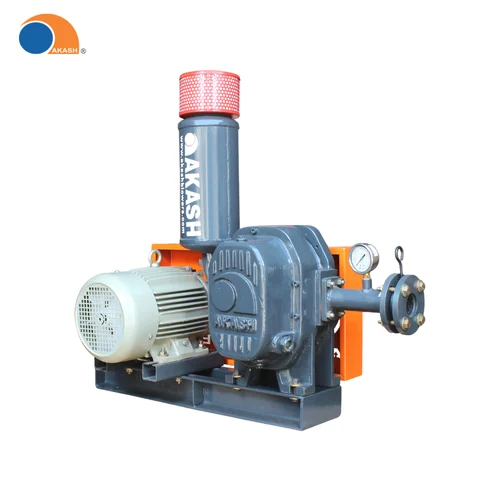
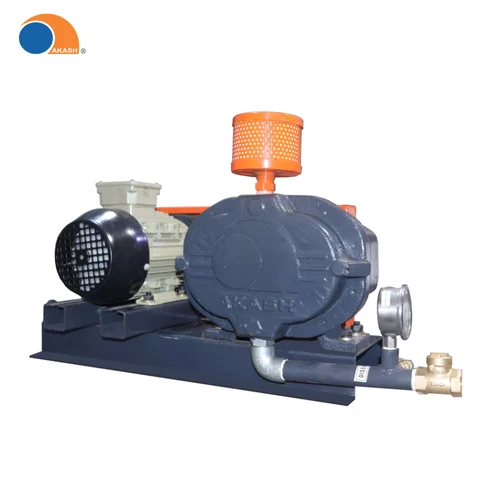
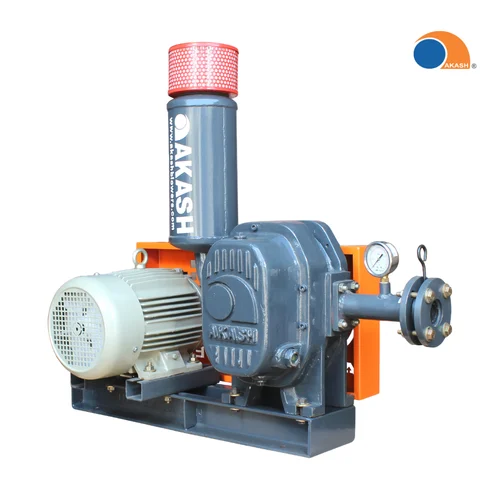
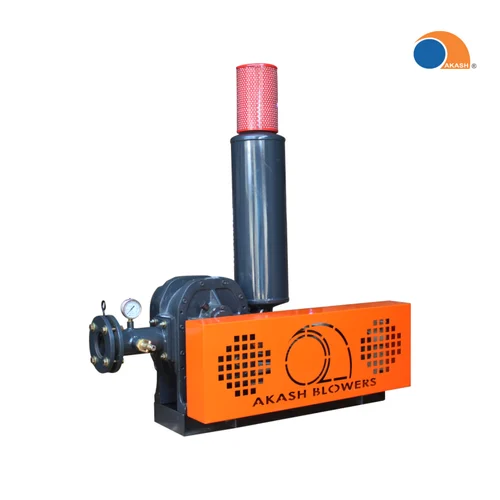
Our Roots Blowers
Main Components and Their Functions
| Component | Function |
|---|---|
|
Rotor |
Traps and displaces air from inlet to outlet through rotary lobe movement. |
|
Timing Gears |
Synchronize rotor movement and maintain correct clearance between lobes. |
|
Bearings |
Support rotor shafts and allow smooth rotation under load. |
|
Water Jacket |
Carries cooling water around hot zones for heat dissipation. |
|
Cooling Chamber |
Provides space for controlled water circulation and thermal management. |
|
Shaft |
Transfers mechanical power from the drive system to the rotors. |
|
Seals |
Prevent leakage of air, oil, or water between different sections. |
|
Housing |
Encloses the rotors and forms the main air displacement chamber. |
|
Inlet Port |
Allows air or gas to enter the blower. |
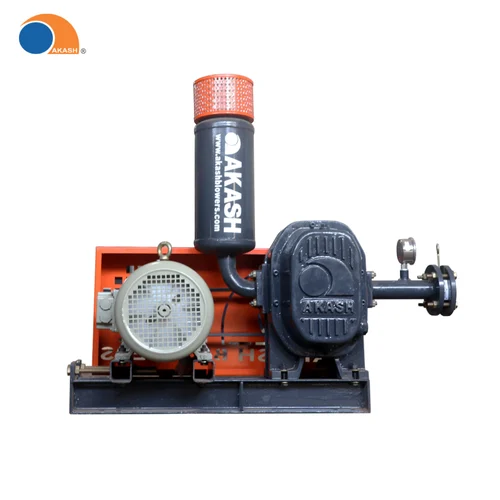
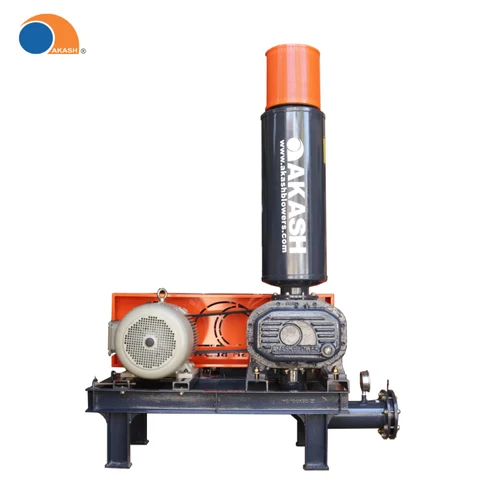
These components work together as one mechanical system. The motor rotates the shaft, the timing gears coordinate rotor movement, and the rotors move air through the blower casing. At the same time, bearings support rotation, seals control leakage, and the housing maintains the required internal geometry. The water jacket and cooling chamber remove heat from the casing and side plates so the blower can perform under continuous load.
When buyers ask how water cooled roots blower work, the answer depends on understanding this coordination. Air movement alone is not enough for long-term performance. Stable clearances, proper lubrication, effective sealing, and controlled heat dissipation are equally important. If one component fails, the complete industrial blower may lose efficiency, develop vibration, or overheat.
Choosing the Right Water Cooled Roots Blower
Selecting the right blower starts with capacity. Buyers should calculate the required airflow based on process demand, pipeline length, operating pressure, and safety margin. Oversizing may increase power consumption, while undersizing may fail to meet process requirements.
Pressure rating is equally important. A high pressure blower must be selected based on actual differential pressure, not only average operating pressure. In applications like pneumatic conveying or deep tank aeration, pressure may vary during operation. The blower should handle these variations without overheating or overloading the motor.
Cooling efficiency should be evaluated carefully. Buyers should check water jacket design, cooling chamber arrangement, water inlet and outlet size, required flow rate, and recommended water quality. A good Roots blower water cooling system explanation from the manufacturer should clearly describe how heat dissipation is managed.
Power consumption is another major factor. Blower efficiency depends on rotor design, internal clearance, speed, pressure, and drive selection. Material quality should also be reviewed, especially for the blower casing, shafts, rotors, gears, bearings, and seals. Heavy duty blower applications require strong construction and accurate machining.
Maintenance requirements should be practical for the plant team. Easy access to lubrication points, inspection covers, water connections, and spare parts can reduce downtime.
Maintenance Tips for Water Cooled Roots Blowers
Preventive maintenance is essential for keeping a water cooled roots blower reliable. The first step is water quality inspection. Cooling water should be clean and suitable for the system. Hard water may create scale inside cooling passages, while contaminated water may cause corrosion or blockage. If the cooling channels become restricted, heat dissipation reduces and overheating may begin.
Cooling passage cleaning should be scheduled based on water quality, operating hours, and plant environment. Flushing the water jacket and checking the inlet and outlet flow can prevent hidden deposits. Flow rate checking is equally important because low water flow can reduce cooling efficiency even when the blower looks mechanically healthy.
Bearing lubrication must be done according to manufacturer recommendations. Too little lubrication causes friction and wear, while excessive lubrication can generate heat or damage seals. Seal inspection is also important because worn seals can allow air leakage, oil leakage, or water leakage depending on the design.
Conclusion
Understanding how water cooled roots blower work is important for anyone responsible for industrial air systems, equipment selection, or plant maintenance. These blowers operate on the positive displacement principle, where twin rotors trap and move a fixed volume of air from inlet to outlet. Pressure develops against system resistance, while the water cooling system removes heat from the blower casing, water jacket, and cooling chamber.
The Water cooled roots blower working principle is simple, but its performance depends on accurate rotor timing, proper clearances, bearing health, sealing, lubrication, and effective thermal management. A well-designed water circulation system improves heat dissipation, supports stable airflow, protects critical components, and helps the blower perform reliably in continuous duty operation.
The Benefits of water cooled roots blower system are especially valuable in wastewater treatment, cement plants, steel plants, chemical processing, pneumatic conveying, aquaculture, food processing, paper, textile, and power plant applications. With proper maintenance, water quality control, temperature monitoring, and preventive servicing, these blowers can deliver long service life and dependable industrial productivity.
For industries looking for reliable water cooled roots blower solutions, Akash Blower can help with application-based selection, engineering guidance, and heavy duty blower systems designed for demanding industrial operation.
Frequaently Asked Question
How water cooled roots blower work is based on positive displacement and continuous water jacket cooling. In industrial applications, the water cooled roots blower draws air through the inlet, moves it with twin lobe rotors, and discharges it under pressure. At the same time, the water circulation system removes heat from the blower casing, cooling chamber, and hot operating zones for stable industrial water cooled roots blower operation.
The Water cooled roots blower working principle depends on two synchronized rotors that trap and move a fixed volume of air from inlet to outlet. The blower does not internally compress air like a screw compressor. Pressure is created when air meets system resistance. Water jacket cooling supports the Water cooled roots blower working principle by controlling temperature, reducing heat buildup, and improving blower efficiency.
How water cooling works in roots blower systems is simple. Cooling water enters the water jacket through the inlet, flows through cooling channels around the blower casing, absorbs heat, and exits through the outlet. This continuous heat dissipation protects bearings, seals, rotors, and housing. How water cooling works in roots blower designs is important for thermal management and continuous duty blower performance.
Water cooling is important because a roots blower generates heat during air displacement, pressure generation, and continuous industrial air handling. A water cooled roots blower uses water jacket cooling to reduce operating temperature, protect internal components, and improve blower efficiency. This is why understanding how water cooled roots blower work is important for high pressure blower and heavy duty blower applications.
A complete Roots blower water cooling system explanation includes the water jacket, cooling chamber, cooling channels, water inlet, water outlet, and water circulation system. The cooling water absorbs heat from the blower casing and carries it away. This Roots blower water cooling system explanation helps buyers understand cooling efficiency, heat dissipation, and stable industrial water cooled roots blower operation.
The Benefits of water cooled roots blower system include better cooling, longer bearing life, stable airflow, reduced wear, lower maintenance, improved thermal management, and longer service life. The Benefits of water cooled roots blower system are especially useful in wastewater treatment, cement plants, steel plants, chemical processing, pneumatic conveying, and other continuous duty industrial applications.
A water cooled roots blower is used in wastewater treatment plants, cement plants, steel plants, chemical processing units, pneumatic conveying systems, aquaculture, food processing, textile plants, paper mills, and power plants. Industrial water cooled roots blower operation is preferred where stable airflow, high pressure blower performance, continuous duty blower reliability, and effective heat dissipation are required.
A water cooled roots blower uses water jacket cooling and a cooling chamber to remove heat from the blower casing, while an air cooled roots blower depends mainly on air and surface cooling. Because of better thermal management, a water cooled roots blower is more suitable for heavy duty blower use, high pressure blower applications, and continuous industrial air system operation.
Common problems in a water cooled roots blower include overheating, scaling in the water jacket, reduced airflow, water leakage, vibration, bearing wear, seal damage, and blocked cooling channels. These problems can affect how water cooled roots blower work in real operation. Regular inspection of the water circulation system, cooling chamber, bearings, seals, and blower casing helps prevent failures.
To maintain a water cooled roots blower, regularly check water quality, water flow rate, cooling channels, bearing lubrication, seals, vibration, temperature, and leakage points. Proper maintenance keeps the Roots blower water cooling system explanation practical in real plant conditions. It also improves industrial water cooled roots blower operation, heat dissipation, blower efficiency, and long-term reliability.
Water cooled roots blower working principle,Roots blower water cooling system explanation,How water cooling works in roots blower,Industrial water cooled roots blower operation,Benefits of water cooled roots blower system
What Our Clients Say About Us

RATHOD VIJAY
4 months ago
- List Item #1
- List Item #1
- List Item #1
- List Item #1
- List Item #1
Verified Purchase
Akash Blowers service always excellent, deliveries always on time, staff highly technical and cooperative. Industrial Roots Blower performance great.

Jayesh Pangam
3 months ago
- List Item #1
- List Item #1
- List Item #1
- List Item #1
- List Item #1
Verified Purchase
Product quality very good and after-sales support also reliable. With 100% spare parts available, their Ring Blowers service makes the team more dependable.

Arvind Raut
3 months ago
- List Item #1
- List Item #1
- List Item #1
- List Item #1
- List Item #1
Verified Purchase
Akash Blowers Pvt Ltd makes quality Air Blowers; with 5 years of support their service stays prompt and cost-effective. Roots Blower performance always reliable.

Akshara m
4 months ago
- List Item #1
- List Item #1
- List Item #1
- List Item #1
- List Item #1
Verified Purchase
Best and timely service providers offering quick support and smooth coordination, delivering dependable Water Treatment Blower solutions for every requirement.
Aparna S
3 months ago
- List Item #1
- List Item #1
- List Item #1
- List Item #1
- List Item #1
Verified Purchase
Good staff service, quick quotes, and efficient Roots Blower performance. Client fully satisfied and issues resolved instantly. Well done Akash Blowers.

Anuj Sharma
3 months ago
- List Item #1
- List Item #1
- List Item #1
- List Item #1
- List Item #1
Verified Purchase
Good experience with Akash Products. Best service, on-time delivery and friendly staff. A trusted choice for Twin Lobe Roots Blower users.

Himmat Singh
Month ago
- List Item #1
- List Item #1
- List Item #1
- List Item #1
- List Item #1
Verified Purchase
Product quality very good, sales and service staff helpful, spare parts easy to get, and their Ring Blower support remains reliable and smooth.

Amit Yadav Yadav
3 years ago
- List Item #1
- List Item #1
- List Item #1
- List Item #1
- List Item #1
Verified Purchase
We’re associated for 5 years; models like AB-305, AB-44, AB-52 work great. Support is reliable, especially in Industrial Roots Blower solutions.

Divyanshu pandey
2 months ago
- List Item #1
- List Item #1
- List Item #1
- List Item #1
- List Item #1
Verified Purchase
I like all the work of this company. Very best 👍🏻 Best quality material and reliable Air Blower and Roots Blower products.

UNISTAR AQUATECH
2 months ago
- List Item #1
- List Item #1
- List Item #1
- List Item #1
- List Item #1
Verified Purchase
Very good experience with Akash Blower Company. Supportive team and quick response. Trusted for Water Treatment Blower solutions.

Dhanashree Jadhav
3 months ago
- List Item #1
- List Item #1
- List Item #1
- List Item #1
- List Item #1
Verified Purchase
Very nice service provided by Akash Blowers team. Reliable support for Ring Blower and other Industrial Roots Blower needs.

Pardeep Kumar
3 years ago
- List Item #1
- List Item #1
- List Item #1
- List Item #1
- List Item #1
Verified Purchase
Such a wonderful company to buy Ring Blower. Purchased 1 year ago, still works perfectly. Fully satisfied with Roots Blower support.

Sumeet bansal
2 months ago
- List Item #1
- List Item #1
- List Item #1
- List Item #1
- List Item #1
Verified Purchase
Their products and service are very good. Trusted for high-quality Air Blower and reliable Twin Lobe Roots Blower solutions.

Ewaltz works
9 months ago
- List Item #1
- List Item #1
- List Item #1
- List Item #1
- List Item #1
Verified Purchase
Akesh Blowers provides best on-time service and delivery. Technical, cooperative staff. Ideal for Roots Air Blower, Screw Press, and spares.

Saumyaranjan Nayak
10 months ago
- List Item #1
- List Item #1
- List Item #1
- List Item #1
- List Item #1
Verified Purchase
Best on-time service and delivery within 24–48 hours. Friendly, cooperative staff. Ideal for Roots Blower and Industrial Air Blower needs.

Account Amitaqua
3 months ago
- List Item #1
- List Item #1
- List Item #1
- List Item #1
- List Item #1
Verified Purchase
Good experience with Akash Products; their service is reliable, and both Air Blower and Roots Blower solutions deliver consistent high quality.

Mohit Kumar
2 months ago
- List Item #1
- List Item #1
- List Item #1
- List Item #1
- List Item #1
Verified Purchase
Good product and excellent service. Trusted for reliable Air Blower and high-quality Twin Lobe Roots Blower solutions.

Kishan Bhagat
11 months ago
- List Item #1
- List Item #1
- List Item #1
- List Item #1
- List Item #1
Verified Purchase
Company bahut achi hai. Staff bhi bahut acha hai. 3 saal se koi problem nahi hui. First-class service for Ring Blower & Roots Blower.

Harsh Sharma
10 months ago
- List Item #1
- List Item #1
- List Item #1
- List Item #1
- List Item #1
Verified Purchase
Good company nd quality of blowers so good nd service bhi too good. Ring Blower and Air Blower products are very reliable.

Sudhish Kumar
10 months ago
- List Item #1
- List Item #1
- List Item #1
- List Item #1
- List Item #1
Verified Purchase
Good experience with Akash Products. Nice design, excellent output as per requirement. Trusted for Roots Blower & Air Blower.
Review Us on Google
Take a moment to review us on Google and let us know how we’re doing. Your feedback helps us improve and continue delivering the best solutions.
Click Hereadvantages and disadvantages of roots blower, Pros and cons of roots blower,Benefits of roots air blower,Limitations of roots blower system,Limitations of roots blower system,Roots blower disadvantages and problems
advantages and disadvantages of roots blower, Pros and cons of roots blower,Benefits of roots air blower,Limitations of roots blower system,Limitations of roots blower system,Roots blower disadvantages and problems