
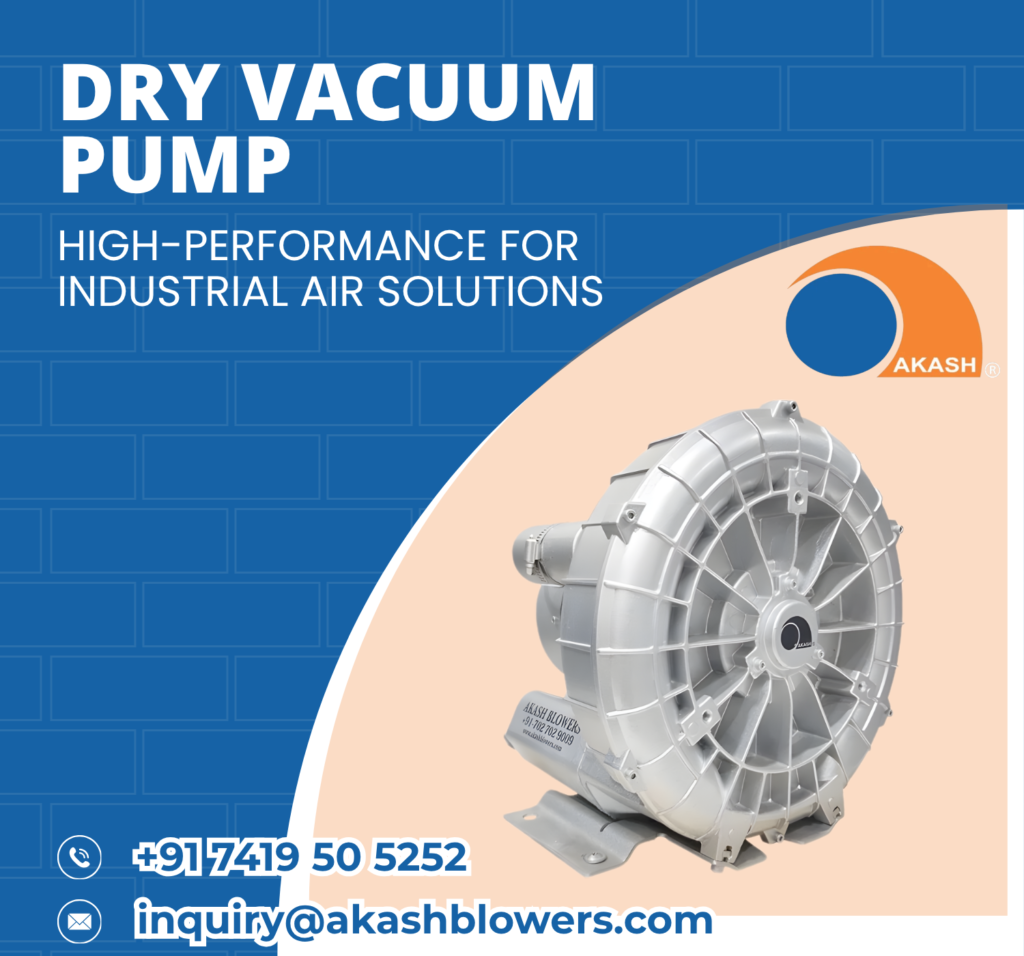
Dry Vacuum Pump
Our Product Range
Explore our engineered solutions designed to meet the toughest industrial demands.
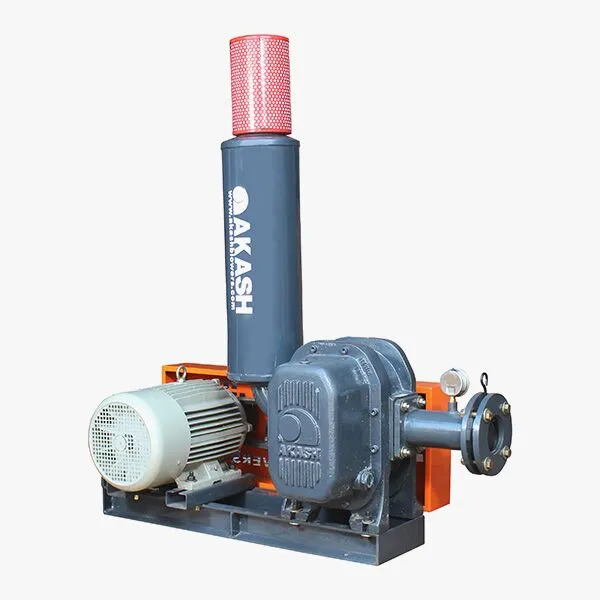
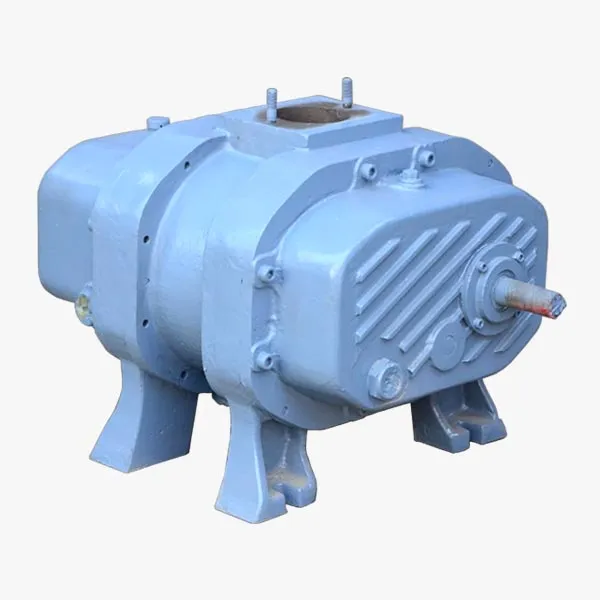
Twin Lobe Roots Blowers
Twin Lobe Roots Blowers are highly reliable and durable positive displacement units, whose pumping capacity is determined by size, operating speed, and pressure conditions.
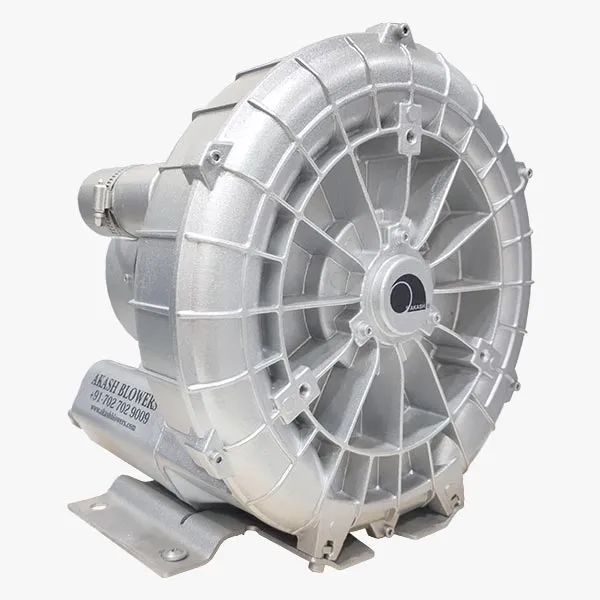
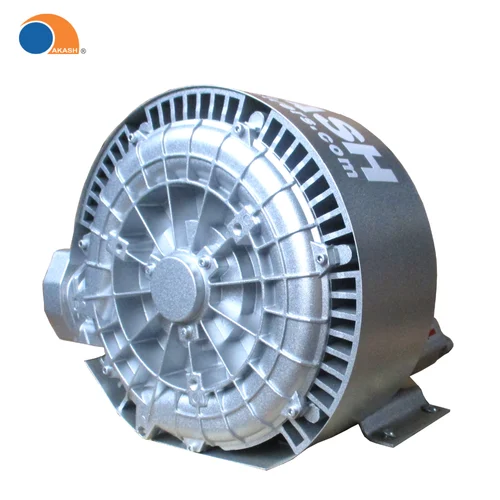
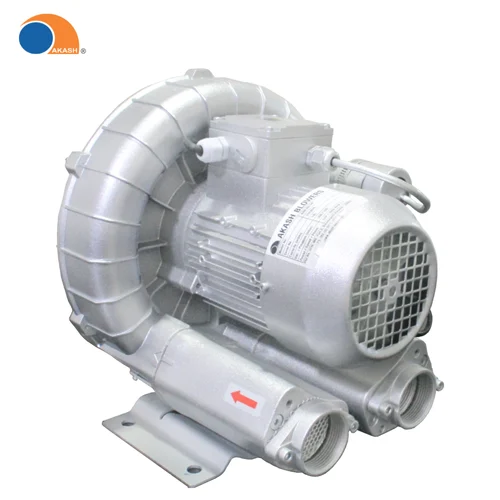
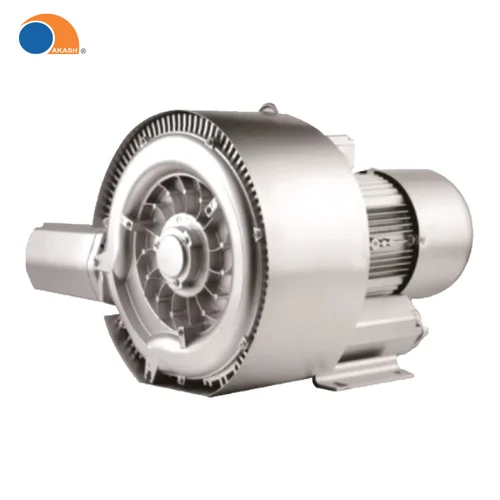
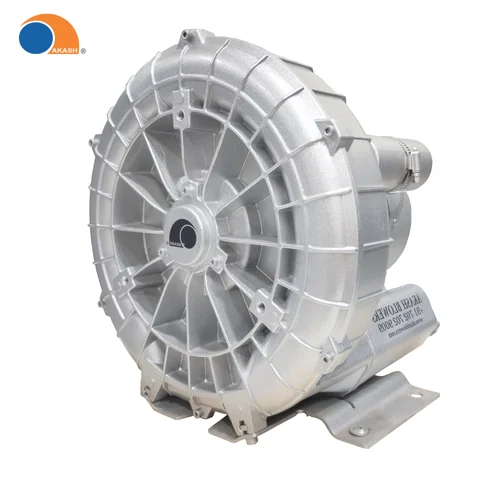
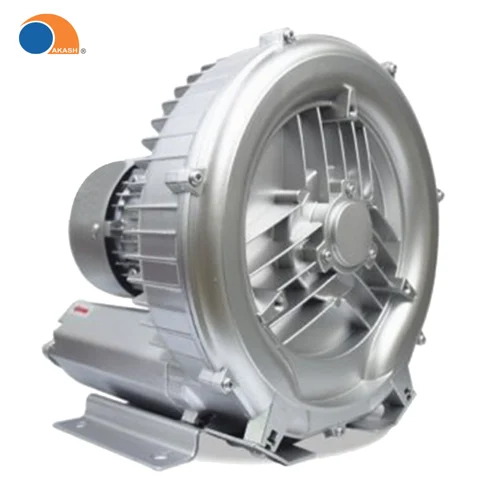
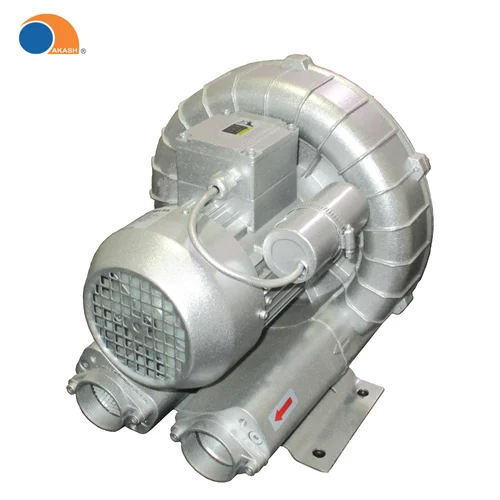
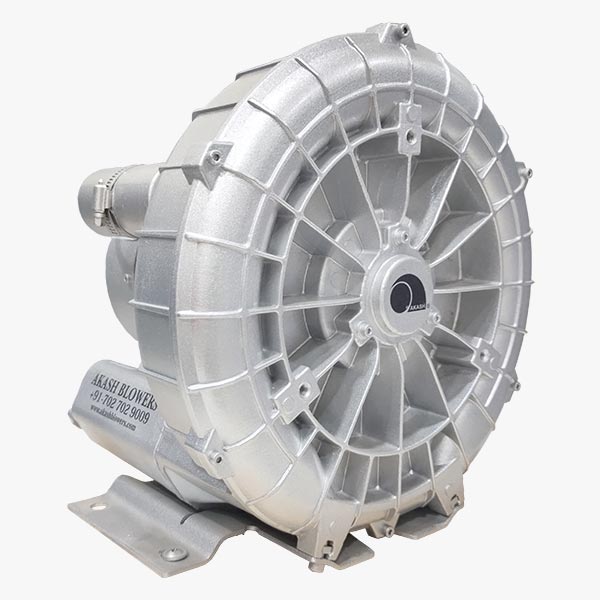
Ring/Side Channel Blowers
Ring/Side Channel Blowers feature spiral airflow, multiple air compression, and pulsation-free delivery, ensuring reliable, efficient, and high-performance industrial air supply.
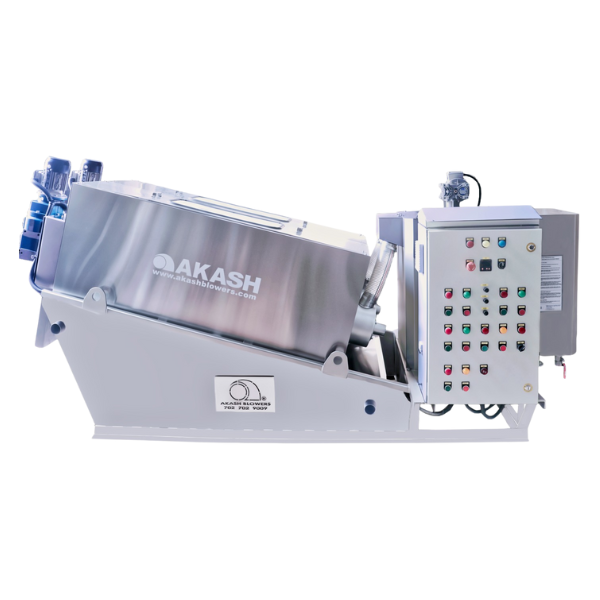
Sludge Dewatering Machine
AKASH Sludge Dewatering Machines separate solids from liquids, reducing sludge volume, lowering costs, and ensuring reliable wastewater management for industries.
Gas Blowers
Gas Blowers are highly reliable positive displacement units designed to handle various industrial gases, with performance depending on size, speed, and pressure conditions.
Product Details
Details
| MODEL | POWER | DISPLACEMENT | VACUUM | PRESSURE | PRESSURE PSI | SOUND | WEIGHT |
|---|---|---|---|---|---|---|---|
| ARB_SS-25 | 0.25 HP | 80 M³/hr/47 CFM | 120 mbar | 120 mbar | 1.74 PSI | 53 DB | 9 KG |
| ARB_SS-80 | 0.5 HP | 80 M³/hr/47 CFM | 130 mbar | 140 mbar | 2.03 PSI | 62 DB | 12 KG |
| ARB_SS-145 | 1 HP | 145 M³/hr/85 CFM | 150 mbar | 160 mbar | 2.32 PSI | 63 DB | 14 KG |
| ARB_SS-210L | 1.5 HP | 210 M³/hr/123 CFM | 170 mbar | 170 mbar | 2.46 PSI | 64 DB | 22 KG |
| ARB_SS-210 | 2 HP | 210 M³/hr/123 CFM | 190 mbar | 200 mbar | 2.9 PSI | 70 DB | 23 KG |
| ARB_SS-270 | 3 HP | 270 M³/hr/123 CFM | 230 mbar | 250 mbar | 3.91 PSI | 67 DB | 27 KG |
| ARB_SS-320V | 4 HP | 320 M³/hr/188 CFM | 270 mbar | 290 mbar | 4.2 PSI | 69 DB | 37 KG |
| ARB_SS-400 | 5 HP | 400 M³/hr/235 CFM | 290 mbar | 330 mbar | 4.78 PSI | 77 DB | 40 KG |
| ARB_SS-530 | 7.5 HP | 530 M³/hr/312 CFM | 300 mbar | 320 mbar | 4.64 PSI | 80 DB | 62 KG |
| ARB_SS-530P | 10 HP | 530 M³/hr/312 CFM | 320 mbar | 380 mbar | 5.51 PSI | 82 DB | 68 KG |
| ARB_SS-1050 | 11 HP | 1050 M³/hr/618 CFM | 210 mbar | 210 mbar | 3.04 PSI | 77 DB | 93 KG |
| ARB_SS-1050P | 16.5 HP | 1050 M³/hr/618 CFM | 280 mbar | 270 mbar | 3.91 PSI | 80 DB | 116 KG |
| ARB_SS-1050HP | 24.5 HP | 1050 M³/hr/618 CFM | 340 mbar | 460 mbar | 6.67 PSI | 82 DB | 126 KG |
overview
Dry Vacuum Pump: Complete Guide to Working, Types, Applications, Benefits and Selection
A dry vacuum pump is a modern vacuum-generation solution designed to create and maintain vacuum without using oil or other sealing liquids inside the pumping chamber. As industries increasingly demand cleaner production, lower contamination, improved process control, and reliable operation, dry vacuum technology has become an important choice for many industrial applications.
Unlike conventional oil-sealed vacuum systems, a dry vacuum pump prevents oil from coming into direct contact with the process gas. This makes it particularly useful in industries where product purity and contamination control are critical. Pharmaceutical manufacturing, food processing, chemical production, packaging, electronics, laboratories, and industrial manufacturing are among the sectors that can benefit from dry vacuum technology.
For companies looking for reliable industrial vacuum pumps, choosing the right technology requires more than simply comparing specifications. Pumping speed, ultimate vacuum, gas composition, operating temperature, moisture load, process compatibility, maintenance requirements, and continuous-duty capability all need to be considered.
Akash Blowers offers industrial air and vacuum solutions designed around practical operating requirements. Understanding how a dry vacuum pump works and where it performs best can help businesses make better equipment decisions and improve long-term process efficiency.
What Is a Dry Vacuum Pump?
A dry vacuum pump is a mechanical pump that removes air and gases from an enclosed system to create a vacuum without using oil inside the pumping chamber.
The pump works by repeatedly capturing, compressing, and discharging gas. Its internal mechanism may use screws, claws, scrolls, diaphragms, pistons, or other specially engineered components depending on the pump design.
The word “dry” primarily refers to the pumping chamber. Unlike an oil-sealed rotary vacuum pump, the compression chamber does not depend on oil for sealing or lubrication.
This distinction is important for applications where even small quantities of oil vapor could affect the process. A dry vacuum pump can help create a cleaner vacuum environment and reduce the possibility of oil contamination entering the production system.
Dry technology is also valuable when gases contain moisture, chemicals, solvents, or process particles. However, the correct pump design must be selected for the specific process because not every dry pump is suitable for every gas or contaminant.
How Does a Dry Vacuum Pump Work?
The dry vacuum pump working principle depends on the particular pump technology, but the basic concept is similar across most designs.
The pump is connected to the vessel, chamber, or process equipment requiring vacuum. When the pump starts, its internal components create a pressure difference between the vacuum chamber and the pump outlet.
Gas from the process chamber enters the pump inlet. Internal rotating or reciprocating elements then capture the gas and move it through successive stages. The gas is compressed and eventually discharged through the exhaust outlet.
Because the pumping chamber does not use oil, the process gas remains isolated from oil-based sealing fluids.
Gas Intake and Compression
During operation, gas molecules enter the pump through the inlet. The pumping mechanism creates enclosed spaces that capture portions of the gas.
As the internal components move, the volume available to the gas decreases. This increases the pressure of the captured gas and moves it toward the discharge side.
The process continues continuously while the pump operates.
Creation of Vacuum
Vacuum is created because the pump continuously removes gas molecules from the connected system.
As more gas is removed, the pressure inside the chamber decreases. The ability of the system to achieve a particular vacuum level depends on factors such as pump design, leakage, chamber volume, gas load, temperature, and operating conditions.
Therefore, selecting a pump based only on its maximum theoretical vacuum level is not enough. Actual process performance is equally important.
Dry Compression
The defining characteristic of a dry vacuum pump is that compression occurs without oil inside the pumping chamber.
Depending on the design, internal components may operate with carefully controlled clearances, special coatings, external lubrication systems, or other engineering methods to minimize wear while maintaining compression efficiency.
This design helps maintain a clean vacuum environment.
Main Types of Dry Vacuum Pumps
Different applications require different vacuum technologies. There is no single dry vacuum pump design that is ideal for every industry.
The most common categories include dry screw pumps, dry claw pumps, dry scroll pumps, diaphragm pumps, and dry piston-based systems.
Dry Screw Vacuum Pump
A dry screw vacuum pump uses two specially shaped screws rotating inside a compression chamber. Gas enters through the inlet and is transported along the screw profile toward the discharge side.
The screws rotate without direct contact, allowing the pumping chamber to operate without oil.
Dry screw technology is especially useful for industrial processes requiring continuous operation, high reliability, and good resistance to demanding process conditions.
It is commonly considered for chemical processing, vacuum drying, solvent recovery, packaging, and other industrial applications.
Dry Claw Vacuum Pump
A dry claw vacuum pump uses two claw-shaped rotors that rotate without touching each other.
The specially designed rotor geometry creates cavities that capture and transport gas. Because the rotors operate without contact, internal wear can be relatively low when the pump is properly selected and maintained.
Dry claw pumps are useful for general industrial vacuum applications where clean and reliable operation is required.
Dry Scroll Vacuum Pump
A dry scroll vacuum pump uses two spiral-shaped scrolls. One scroll remains stationary while the other moves in an orbital motion.
The movement creates progressively smaller pockets that transport and compress gas toward the outlet.
Scroll pumps are widely used where clean vacuum conditions, low vibration, and compact equipment are important.
They can be suitable for laboratory equipment, analytical systems, medical applications, electronics processing, and other clean environments.
Diaphragm Vacuum Pump
A diaphragm vacuum pump uses a flexible diaphragm to move gas through the pumping chamber.
The diaphragm separates the gas from the mechanical components, helping prevent contamination from lubricants.
These pumps are often selected for chemical, laboratory, filtration, and analytical applications where chemical resistance and clean operation are important.
Dry Piston Vacuum Pump
Dry piston systems use reciprocating pistons to move and compress gas.
Depending on their construction, they can provide reliable vacuum generation for specific industrial and laboratory applications.
Their suitability depends heavily on required vacuum depth, gas composition, operating frequency, and process conditions.
Key Applications of Dry Vacuum Pumps
A dry vacuum pump can be used across many industries because vacuum is an essential part of numerous manufacturing and processing operations.
Pharmaceutical Manufacturing
Pharmaceutical production requires strict control over contamination, moisture, and process conditions.
Dry vacuum systems can support processes such as vacuum drying, filtration, solvent handling, evaporation, and laboratory operations.
Because the pumping chamber does not use oil, dry technology can help minimize the possibility of oil contamination reaching the process.
Food and Beverage Processing
Vacuum technology is widely used in food production for packaging, drying, dehydration, conveying, and other processes.
Clean operation is especially important because the vacuum system can be connected directly or indirectly to production equipment.
Dry vacuum technology can support hygiene-focused operations while reducing the risk associated with oil vapor contamination.
Chemical Industry
Chemical processes often involve aggressive gases, solvents, moisture, and corrosive compounds.
A properly selected dry vacuum pump can provide reliable vacuum generation while supporting cleaner process operation.
However, chemical compatibility must always be evaluated before selecting a pump. Materials, coatings, seals, temperatures, and gas composition all influence pump suitability.
Packaging
Vacuum packaging removes air from a package before sealing.
The process can help extend product shelf life and improve package appearance.
Dry vacuum pumps can be used where clean vacuum generation is important and where the production environment requires reliable continuous operation.
Electronics and Semiconductor Manufacturing
Electronics manufacturing often demands extremely clean process conditions.
Oil contamination can be unacceptable in sensitive applications. Dry vacuum systems can therefore provide an important advantage in processes where clean vacuum conditions are required.
Applications can include vacuum handling, chamber evacuation, coating processes, and other manufacturing stages.
Vacuum Drying
Vacuum drying reduces the pressure surrounding a material, allowing moisture or solvents to evaporate at lower temperatures.
This is useful for heat-sensitive products and materials.
A dry vacuum pump can provide clean vacuum generation while supporting controlled drying processes.
Filtration
Vacuum filtration uses pressure differences to accelerate the separation of solids and liquids.
Industrial filtration systems can use vacuum pumps for continuous or batch operation.
The appropriate pump should be selected according to the liquid characteristics, vapor load, filtration rate, and required vacuum level.
Industrial Material Handling
Vacuum systems can also support pneumatic conveying, lifting, handling, and other industrial processes.
Dry vacuum pumps are particularly attractive when the material being handled must remain free from oil contamination.
Benefits of Using a Dry Vacuum Pump
The popularity of dry vacuum technology comes from several operational advantages.
Oil-Free Process Environment
The biggest advantage is the absence of oil inside the pumping chamber.
This makes the technology suitable for applications where product contamination is a major concern.
For industries producing sensitive products, maintaining a clean process environment can be essential for quality and consistency.
Reduced Oil-Related Maintenance
Oil-sealed vacuum systems require monitoring of oil condition, oil level, and oil contamination.
Dry vacuum systems remove many of these oil-management tasks from the pumping process.
This can simplify maintenance routines and improve operational convenience.
Cleaner Exhaust
A properly designed dry vacuum pump can produce oil-free exhaust.
This can be beneficial in facilities where exhaust cleanliness is important.
Appropriate exhaust filtration and treatment may still be required depending on the gases being processed.
Strong Process Reliability
Industrial dry vacuum pumps are engineered for demanding applications and can be configured for continuous operation.
When correctly sized and maintained, they can provide stable vacuum performance over long operating periods.
Lower Contamination Risk
Oil vapor can be problematic in sensitive applications.
By removing oil from the pumping chamber, dry technology helps reduce one potential source of contamination.
This is especially valuable in pharmaceutical, food, electronics, and laboratory environments.
Improved Process Control
Stable vacuum conditions can contribute to consistent production results.
For example, vacuum drying depends on controlled pressure conditions. Packaging requires dependable air removal. Chemical processing may require a specific vacuum range.
A properly selected pump can help maintain the required operating conditions.
Deatil Pictures
Important Technical Specifications
When selecting a dry vacuum pump, several technical specifications should be evaluated together.
Pumping Speed
Pumping speed describes how quickly the pump can remove gas from the system under specified conditions.
A larger chamber or higher gas load generally requires greater pumping capacity.
However, simply selecting the pump with the highest pumping speed may not provide the best result. System conductance, piping dimensions, valves, filters, and leakage also affect actual evacuation performance.
Ultimate Vacuum
Ultimate vacuum represents the lowest pressure that a pump can theoretically achieve under specified test conditions.
This specification is useful, but it should not be treated as the only selection criterion.
Real processes often contain moisture, vapor, leakage, and continuous gas loads that prevent the system from reaching the theoretical ultimate vacuum.
Gas Compatibility
Gas composition is one of the most important factors in pump selection.
The pump may encounter air, water vapor, solvents, chemicals, corrosive gases, or process by-products.
Each gas can affect seals, materials, bearings, coatings, and internal components differently.
Temperature
Operating temperature affects both pump performance and component life.
High-temperature gases can increase thermal load and may require additional cooling or specialized materials.
Moisture Handling
Moisture can enter the pump during vacuum drying, filtration, food processing, and chemical applications.
A pump designed for moisture-rich processes may include features that help prevent condensation and performance degradation.
Continuous-Duty Capability
Industrial users often require pumps to operate for extended periods.
For continuous production, the pump should be selected according to its rated duty cycle, cooling system, operating environment, and process load.
How to Select the Right Dry Vacuum Pump
Choosing the correct dry vacuum pump requires a systematic approach.
First, determine the required vacuum level. The process should be evaluated to establish whether it needs rough vacuum, medium vacuum, or a higher vacuum range.
Next, determine the gas load. A system with continuous gas entry requires different pumping capacity from a sealed chamber that is evacuated only during startup.
The required pumping speed should then be calculated based on chamber volume, evacuation time, leakage, vapor load, and operating conditions.
Material compatibility is equally important. If the process contains aggressive chemicals, the pump must be constructed with suitable materials and protective features.
Environmental conditions should also be considered. Dust, humidity, ambient temperature, installation altitude, and available cooling can influence equipment performance.
Finally, evaluate serviceability and long-term support. A pump is a long-term industrial asset, so access to technical expertise, replacement components, maintenance support, and application guidance is important.
Dry Vacuum Pump vs Rotary Vacuum Pump
| Feature | Dry Vacuum Pump | Rotary Vacuum Pump |
|---|---|---|
|
Pumping chamber |
Oil-free |
Oil-sealed |
|
Contamination control |
Excellent for clean processes |
Requires oil management |
|
Maintenance |
Often simplified in oil-free areas |
Requires oil inspection and replacement |
|
Process cleanliness |
Highly suitable |
Depends on oil condition and system design |
|
Moisture handling |
Depends on pump design |
Depends on oil and pump configuration |
|
Chemical compatibility |
Model-specific |
Model-specific |
|
Continuous operation |
Available in industrial designs |
Widely available |
|
Application flexibility |
Strong for clean and demanding processes |
Strong for general vacuum applications |
|
Exhaust management |
Generally oil-free |
May contain oil vapor |
|
Best suited for |
Clean, dry, chemical and process applications |
General industrial vacuum duties |
The comparison should not be treated as a universal rule. The right vacuum pump depends on the process rather than simply the pump category.
Common Challenges With Dry Vacuum Pumps
Although dry technology provides many advantages, it is not automatically suitable for every application.
Process Contamination
Dry pumps reduce oil contamination, but the process gas itself may contain contaminants.
Dust, powders, chemicals, condensable vapors, and other substances can enter the pump.
Solution: Use appropriate inlet filters, separators, condensers, protective systems, and process-specific pump configurations.
Excessive Moisture
High moisture loads can cause condensation inside the system.
This may reduce performance and increase internal stress.
Solution: Select a pump designed for the expected vapor load and use appropriate operating procedures, purge systems, or pre-conditioning where necessary.
Incorrect Pump Sizing
Oversized and undersized pumps can both create operational problems.
An undersized pump may take too long to reach the required vacuum. An oversized pump may increase unnecessary energy consumption and may not perform efficiently under certain process conditions.
Solution: Base pump selection on actual process data rather than choosing solely according to inlet size or theoretical pumping speed.
Chemical Attack
Aggressive gases can damage seals, coatings, and internal components.
Solution: Review the complete gas composition and operating temperature before selecting the pump. Specialized materials and protective systems may be required.
Poor Maintenance
Oil-free does not mean maintenance-free.
Bearings, seals, filters, cooling systems, electrical components, and other parts still require inspection.
Solution: Follow a preventive maintenance schedule based on operating hours and process conditions.
Maintenance Best Practices for a Dry Vacuum Pump
Proper maintenance helps preserve vacuum performance and equipment reliability.
The pump inlet should be protected from excessive dust and particles. Filters should be inspected regularly because a blocked filter can restrict gas flow and increase pump workload.
Cooling systems should also remain clean. Poor heat dissipation can increase operating temperature and accelerate component wear.
Abnormal vibration, noise, temperature, or power consumption should never be ignored. Changes in operating behavior can indicate developing mechanical or process problems.
Seals and connections should be checked for leakage. Even a small leak can significantly affect vacuum performance, particularly when operating at lower pressures.
Maintenance intervals should be determined according to the pump manufacturer’s recommendations and actual process conditions.
Dry Vacuum Pump vs Other Vacuum Technologies
Dry vacuum pumps are only one category of vacuum equipment.
Liquid ring pumps, oil-sealed rotary pumps, roots vacuum boosters, diaphragm pumps, and other technologies can also be used depending on the application.
The best solution depends on the required vacuum range, pumping speed, gas composition, contamination requirements, moisture load, operating cycle, and installation environment.
For some demanding systems, a combination of technologies may be more effective than using a single pump.
For example, a vacuum booster may be combined with a backing pump to increase overall pumping performance. In another application, a dry primary pump may be paired with filtration or condensation equipment to handle process vapors.
This system-level approach often produces better results than selecting equipment based on one specification.
Role of Industrial Vacuum Pumps in Modern Manufacturing
Industrial vacuum pumps have become essential in many modern production environments.
Vacuum technology helps control pressure, remove gases, dry materials, separate substances, evacuate chambers, support packaging, and move products.
As manufacturing becomes more automated, vacuum systems are also becoming more integrated with control systems.
Modern installations may use pressure sensors, temperature monitoring, variable-speed drives, automated valves, and digital controllers.
This allows production teams to monitor pump performance and identify unusual operating conditions more quickly.
Choosing Reliable Vacuum Pump Manufacturers
Selecting among vacuum pump manufacturers should involve more than comparing product specifications.
A reliable manufacturer or supplier should understand the application and help determine whether a dry pump is actually appropriate.
Technical guidance is especially important when the application involves chemical gases, high moisture, high temperatures, continuous operation, or demanding vacuum levels.
The supplier should also be able to support pump selection, installation, commissioning, maintenance, troubleshooting, and replacement requirements.
This level of technical support can make a significant difference in long-term equipment reliability.
Why Choose Akash Blowers for Dry Vacuum Solutions?
Akash Blowers focuses on industrial air and vacuum equipment designed to meet practical application requirements.
Choosing the right vacuum system involves understanding more than the basic pump specification. Process conditions, operating environment, required vacuum, gas characteristics, pumping speed, installation design, and maintenance requirements all need to be evaluated.
Akash Blowers can help businesses approach vacuum selection from an application-focused perspective.
The objective should be to select equipment that delivers dependable performance rather than simply choosing the largest or most technically advanced pump.
For industries requiring clean vacuum operation, dry technology can offer important advantages. With appropriate selection and installation, a dry vacuum pump can support consistent processes, reduce contamination risks, simplify oil-related maintenance, and contribute to long-term operational efficiency.
A strong industrial supplier should also understand scalability. Production requirements may change over time, so the selected vacuum solution should allow businesses to adapt their systems as capacity and process requirements evolve.
Best Practices for Installing a Dry Vacuum Pump
Installation has a direct influence on pump performance.
The pump should be positioned on a stable foundation that can support its operating weight and vibration characteristics.
Vacuum piping should be designed with appropriate diameter and minimum unnecessary bends. Excessive restriction between the process chamber and pump can reduce effective pumping speed.
Connections should be properly sealed to prevent air leakage.
The exhaust system should also be designed according to the characteristics of the discharged gas.
Electrical installation must comply with applicable industrial requirements and should provide appropriate motor protection.
Where the process generates dust or liquid carryover, suitable separation or filtration should be installed upstream of the pump.
A well-designed installation helps the pump operate closer to its intended performance range.
Common Mistakes to Avoid
One of the most common mistakes is selecting a vacuum pump based only on the desired ultimate vacuum.
The real process load must also be considered.
Another mistake is ignoring leakage. Even a high-performance dry vacuum pump cannot compensate indefinitely for a poorly sealed vacuum system.
Using the wrong pump for aggressive chemicals is another serious problem. Gas compatibility should always be reviewed before installation.
Users should also avoid ignoring moisture and condensable vapors. These can affect vacuum performance and internal components.
Finally, maintenance should not be neglected simply because the system is oil-free. Dry vacuum technology still requires inspection, cleaning, filtration management, and preventive maintenance.
Conclusion
A dry vacuum pump is an important vacuum technology for industries that require clean, reliable, and efficient vacuum generation without oil inside the pumping chamber. From pharmaceutical manufacturing and food processing to chemical production, packaging, electronics, filtration, and vacuum drying, dry vacuum systems can support a wide range of industrial processes.
The best results come from selecting the pump according to the complete application. Pumping speed, vacuum level, gas composition, moisture, temperature, duty cycle, installation design, and maintenance requirements should all be evaluated before making a decision.
Compared with conventional oil-sealed systems, dry vacuum technology can provide valuable advantages where contamination control and clean operation are priorities. However, correct sizing and process compatibility remain essential for dependable performance.
For businesses seeking a practical and application-focused approach to industrial vacuum equipment, Akash Blowers can be a valuable partner in evaluating vacuum requirements and selecting an appropriate solution.
If your operation is considering a new vacuum system or upgrading an existing installation, explore the capabilities of a suitable dry vacuum pump and evaluate how the right vacuum technology can improve process cleanliness, efficiency, reliability, scalability, and long-term operational performance. Take the next step with Akash Blowers and make your vacuum system a stronger part of your industrial production strategy.
Frequaently Asked Question
A dry vacuum pump is a mechanical vacuum pump that creates vacuum without using oil or another sealing liquid inside the pumping chamber. It is commonly used where clean, contamination-free vacuum generation is important.
A dry vacuum pump removes gas from a closed system using mechanical components such as screws, claws, scrolls, diaphragms, or pistons. The captured gas is compressed and discharged without requiring oil inside the pumping chamber.
The major advantages include oil-free operation, reduced contamination risk, cleaner exhaust, lower oil-related maintenance, reliable performance, and suitability for applications requiring clean vacuum conditions.
Dry vacuum pumps are used in pharmaceutical manufacturing, food processing, chemical industries, packaging, electronics, laboratories, vacuum drying, filtration, material handling, and various industrial manufacturing processes.
A dry vacuum pump operates without oil in its pumping chamber, while an oil-sealed rotary vacuum pump uses oil for sealing and lubrication within the pumping mechanism. Dry pumps are often preferred for applications where oil contamination must be minimized.
No. Although it does not require oil changes in the pumping chamber, a dry vacuum pump still requires preventive maintenance. Filters, seals, bearings, cooling systems, electrical components, and other parts should be inspected according to operating conditions.
Some dry vacuum pump designs can handle significant moisture loads, but capability varies between models. Applications involving water vapor or condensable gases should be evaluated carefully before selecting the pump.
Pumping speed varies according to the pump model, design, operating pressure, and application. The required pumping speed should be determined based on chamber volume, evacuation time, gas load, leakage, and process conditions.
Yes, dry vacuum pumps can be used in chemical processes, provided the pump materials, seals, coatings, and construction are compatible with the gases and vapors being handled.
Yes. Dry vacuum technology can be particularly useful in pharmaceutical applications because it reduces the risk of oil contamination. It can support processes such as vacuum drying, filtration, evaporation, and solvent handling.
A dry screw vacuum pump uses two specially engineered screw rotors to capture, transport, and compress gas. The rotors operate without oil inside the pumping chamber, making this technology suitable for many demanding industrial applications.
A dry claw vacuum pump uses two claw-shaped rotors that rotate without contacting each other. Their movement creates gas pockets that transport air and gases from the inlet toward the discharge.
Yes. Dry vacuum pumps are commonly considered for vacuum drying because they can create a clean vacuum environment. The pump should be selected according to the moisture and vapor load generated during the drying process.
Important factors include required vacuum level, pumping speed, gas composition, moisture load, operating temperature, duty cycle, chamber size, contamination requirements, installation conditions, and maintenance requirements.
An industrial vacuum pump is equipment designed to remove gases from industrial systems to create controlled vacuum conditions. Industrial vacuum pumps are available in several technologies, including dry, rotary, diaphragm, screw, claw, and other configurations.
Certain dry vacuum pump designs can achieve relatively high vacuum levels, while very demanding high vacuum pump applications may require multiple pumping stages or additional specialized vacuum equipment.
Poor vacuum performance can result from system leakage, incorrect pump sizing, restricted piping, clogged filters, excessive moisture, unsuitable process gases, damaged seals, inadequate maintenance, or operating the pump outside its intended conditions.
Efficiency can be improved by correctly sizing the pump, minimizing vacuum-system leaks, keeping filters clean, reducing unnecessary piping restrictions, maintaining proper cooling, monitoring operating conditions, and using appropriate controls when vacuum demand varies.
When evaluating vacuum pump manufacturers, consider technical expertise, product quality, application knowledge, manufacturing capabilities, service support, spare-parts availability, customization options, and the manufacturer’s ability to provide long-term technical assistance.
Akash Blowers focuses on industrial air and vacuum solutions with an application-oriented approach. The right dry vacuum pump can be selected by considering process requirements, vacuum level, pumping capacity, gas characteristics, operating conditions, and long-term reliability, helping businesses achieve efficient and dependable vacuum performance.
What Our Clients Say About Us

RATHOD VIJAY
4 months ago
- List Item #1
- List Item #1
- List Item #1
- List Item #1
- List Item #1
Verified Purchase
Akash Blowers service always excellent, deliveries always on time, staff highly technical and cooperative. Industrial Roots Blower performance great.

Jayesh Pangam
3 months ago
- List Item #1
- List Item #1
- List Item #1
- List Item #1
- List Item #1
Verified Purchase
Product quality very good and after-sales support also reliable. With 100% spare parts available, their Ring Blowers service makes the team more dependable.

Arvind Raut
3 months ago
- List Item #1
- List Item #1
- List Item #1
- List Item #1
- List Item #1
Verified Purchase
Akash Blowers Pvt Ltd makes quality Air Blowers; with 5 years of support their service stays prompt and cost-effective. Roots Blower performance always reliable.

Akshara m
4 months ago
- List Item #1
- List Item #1
- List Item #1
- List Item #1
- List Item #1
Verified Purchase
Best and timely service providers offering quick support and smooth coordination, delivering dependable Water Treatment Blower solutions for every requirement.
Aparna S
3 months ago
- List Item #1
- List Item #1
- List Item #1
- List Item #1
- List Item #1
Verified Purchase
Good staff service, quick quotes, and efficient Roots Blower performance. Client fully satisfied and issues resolved instantly. Well done Akash Blowers.

Anuj Sharma
3 months ago
- List Item #1
- List Item #1
- List Item #1
- List Item #1
- List Item #1
Verified Purchase
Good experience with Akash Products. Best service, on-time delivery and friendly staff. A trusted choice for Twin Lobe Roots Blower users.

Himmat Singh
Month ago
- List Item #1
- List Item #1
- List Item #1
- List Item #1
- List Item #1
Verified Purchase
Product quality very good, sales and service staff helpful, spare parts easy to get, and their Ring Blower support remains reliable and smooth.

Amit Yadav Yadav
3 years ago
- List Item #1
- List Item #1
- List Item #1
- List Item #1
- List Item #1
Verified Purchase
We’re associated for 5 years; models like AB-305, AB-44, AB-52 work great. Support is reliable, especially in Industrial Roots Blower solutions.

Divyanshu pandey
2 months ago
- List Item #1
- List Item #1
- List Item #1
- List Item #1
- List Item #1
Verified Purchase
I like all the work of this company. Very best 👍🏻 Best quality material and reliable Air Blower and Roots Blower products.

UNISTAR AQUATECH
2 months ago
- List Item #1
- List Item #1
- List Item #1
- List Item #1
- List Item #1
Verified Purchase
Very good experience with Akash Blower Company. Supportive team and quick response. Trusted for Water Treatment Blower solutions.

Dhanashree Jadhav
3 months ago
- List Item #1
- List Item #1
- List Item #1
- List Item #1
- List Item #1
Verified Purchase
Very nice service provided by Akash Blowers team. Reliable support for Ring Blower and other Industrial Roots Blower needs.

Pardeep Kumar
3 years ago
- List Item #1
- List Item #1
- List Item #1
- List Item #1
- List Item #1
Verified Purchase
Such a wonderful company to buy Ring Blower. Purchased 1 year ago, still works perfectly. Fully satisfied with Roots Blower support.

Sumeet bansal
2 months ago
- List Item #1
- List Item #1
- List Item #1
- List Item #1
- List Item #1
Verified Purchase
Their products and service are very good. Trusted for high-quality Air Blower and reliable Twin Lobe Roots Blower solutions.

Ewaltz works
9 months ago
- List Item #1
- List Item #1
- List Item #1
- List Item #1
- List Item #1
Verified Purchase
Akesh Blowers provides best on-time service and delivery. Technical, cooperative staff. Ideal for Roots Air Blower, Screw Press, and spares.

Saumyaranjan Nayak
10 months ago
- List Item #1
- List Item #1
- List Item #1
- List Item #1
- List Item #1
Verified Purchase
Best on-time service and delivery within 24–48 hours. Friendly, cooperative staff. Ideal for Roots Blower and Industrial Air Blower needs.

Account Amitaqua
3 months ago
- List Item #1
- List Item #1
- List Item #1
- List Item #1
- List Item #1
Verified Purchase
Good experience with Akash Products; their service is reliable, and both Air Blower and Roots Blower solutions deliver consistent high quality.

Mohit Kumar
2 months ago
- List Item #1
- List Item #1
- List Item #1
- List Item #1
- List Item #1
Verified Purchase
Good product and excellent service. Trusted for reliable Air Blower and high-quality Twin Lobe Roots Blower solutions.

Kishan Bhagat
11 months ago
- List Item #1
- List Item #1
- List Item #1
- List Item #1
- List Item #1
Verified Purchase
Company bahut achi hai. Staff bhi bahut acha hai. 3 saal se koi problem nahi hui. First-class service for Ring Blower & Roots Blower.

Harsh Sharma
10 months ago
- List Item #1
- List Item #1
- List Item #1
- List Item #1
- List Item #1
Verified Purchase
Good company nd quality of blowers so good nd service bhi too good. Ring Blower and Air Blower products are very reliable.

Sudhish Kumar
10 months ago
- List Item #1
- List Item #1
- List Item #1
- List Item #1
- List Item #1
Verified Purchase
Good experience with Akash Products. Nice design, excellent output as per requirement. Trusted for Roots Blower & Air Blower.
Review Us on Google
Take a moment to review us on Google and let us know how we’re doing. Your feedback helps us improve and continue delivering the best solutions.
Click Heredry vacuum pump, vacuum pump price, industrial vacuum pumps, vacuum pump manufacturers, high vacuum pump, rotary vacuum pump
dry vacuum pump, vacuum pump price, industrial vacuum pumps, vacuum pump manufacturers, high vacuum pump, rotary vacuum pump