
Dry Screw Vacuum Pump
Our Product Range
Explore our engineered solutions designed to meet the toughest industrial demands.
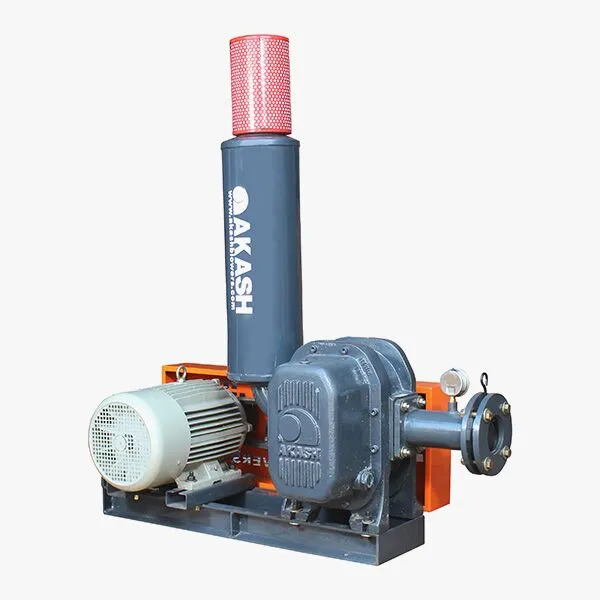
Twin Lobe Roots Blowers
Twin Lobe Roots Blowers are highly reliable and durable positive displacement units, whose pumping capacity is determined by size, operating speed, and pressure conditions.
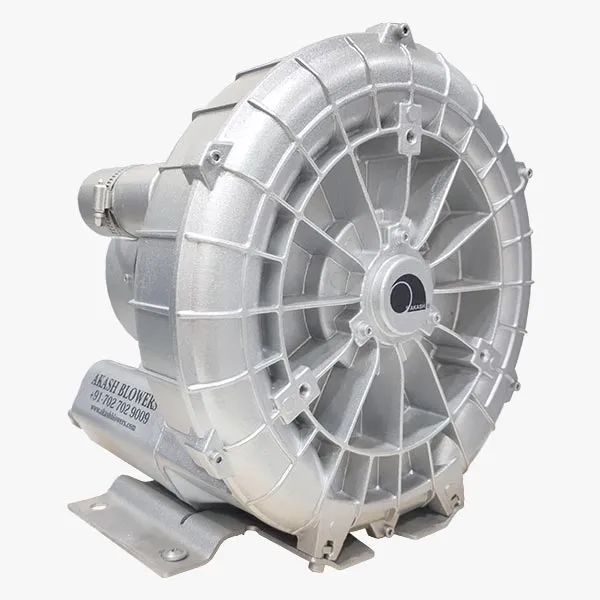
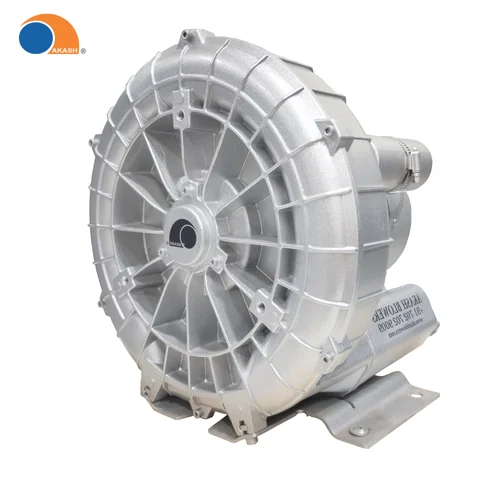
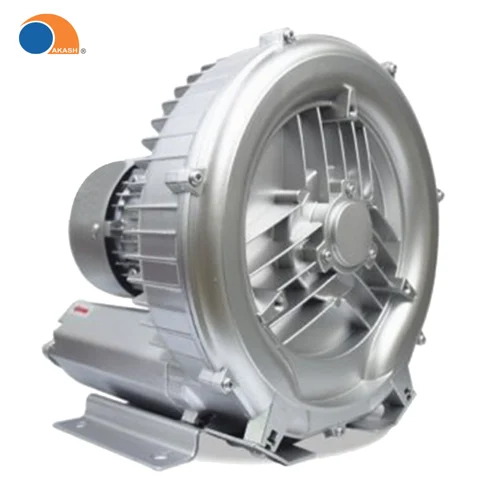
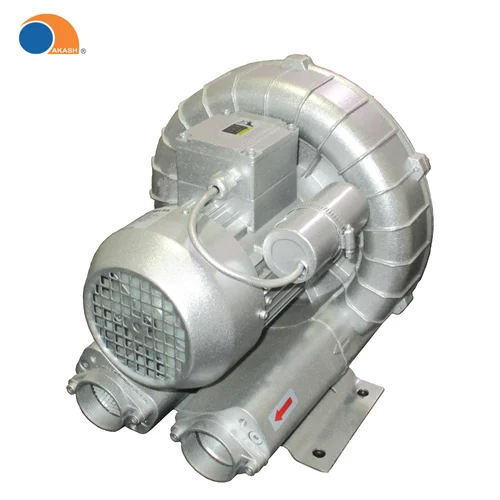
Ring/Side Channel Blowers
Ring/Side Channel Blowers feature spiral airflow, multiple air compression, and pulsation-free delivery, ensuring reliable, efficient, and high-performance industrial air supply.
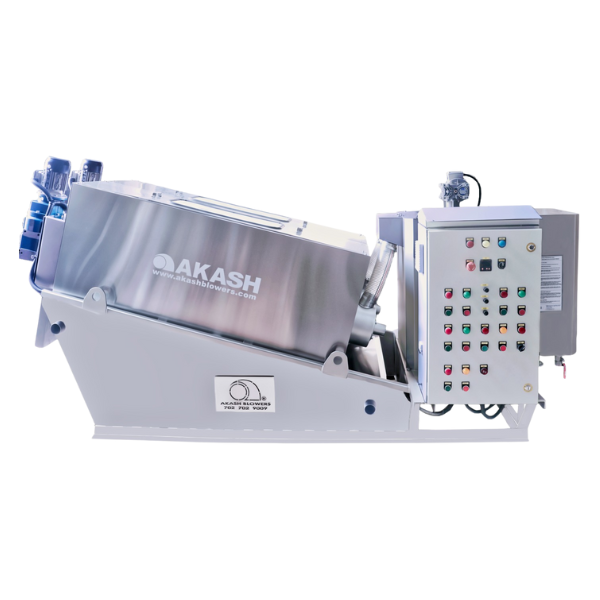
Sludge Dewatering Machine
AKASH Sludge Dewatering Machines separate solids from liquids, reducing sludge volume, lowering costs, and ensuring reliable wastewater management for industries.
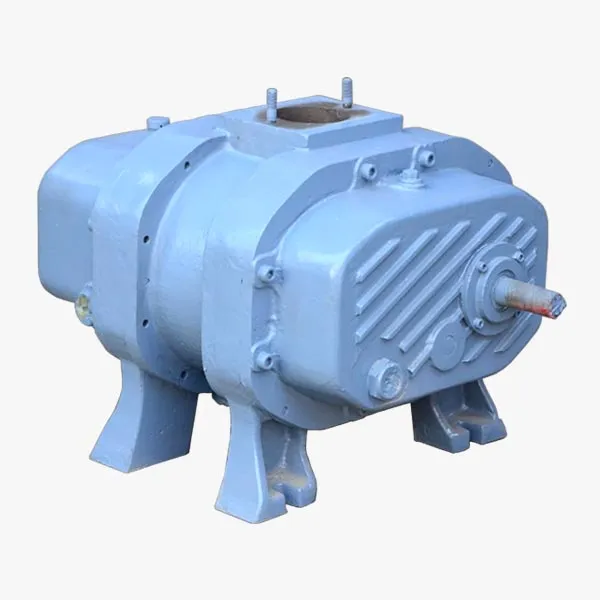
Gas Blowers
Gas Blowers are highly reliable positive displacement units designed to handle various industrial gases, with performance depending on size, speed, and pressure conditions.
Product Details
Details
| MODEL | POWER | DISPLACEMENT | VACUUM | PRESSURE | PRESSURE PSI | SOUND | WEIGHT |
|---|---|---|---|---|---|---|---|
| ARB_SS-25 | 0.25 HP | 80 M³/hr/47 CFM | 120 mbar | 120 mbar | 1.74 PSI | 53 DB | 9 KG |
| ARB_SS-80 | 0.5 HP | 80 M³/hr/47 CFM | 130 mbar | 140 mbar | 2.03 PSI | 62 DB | 12 KG |
| ARB_SS-145 | 1 HP | 145 M³/hr/85 CFM | 150 mbar | 160 mbar | 2.32 PSI | 63 DB | 14 KG |
| ARB_SS-210L | 1.5 HP | 210 M³/hr/123 CFM | 170 mbar | 170 mbar | 2.46 PSI | 64 DB | 22 KG |
| ARB_SS-210 | 2 HP | 210 M³/hr/123 CFM | 190 mbar | 200 mbar | 2.9 PSI | 70 DB | 23 KG |
| ARB_SS-270 | 3 HP | 270 M³/hr/123 CFM | 230 mbar | 250 mbar | 3.91 PSI | 67 DB | 27 KG |
| ARB_SS-320V | 4 HP | 320 M³/hr/188 CFM | 270 mbar | 290 mbar | 4.2 PSI | 69 DB | 37 KG |
| ARB_SS-400 | 5 HP | 400 M³/hr/235 CFM | 290 mbar | 330 mbar | 4.78 PSI | 77 DB | 40 KG |
| ARB_SS-530 | 7.5 HP | 530 M³/hr/312 CFM | 300 mbar | 320 mbar | 4.64 PSI | 80 DB | 62 KG |
| ARB_SS-530P | 10 HP | 530 M³/hr/312 CFM | 320 mbar | 380 mbar | 5.51 PSI | 82 DB | 68 KG |
| ARB_SS-1050 | 11 HP | 1050 M³/hr/618 CFM | 210 mbar | 210 mbar | 3.04 PSI | 77 DB | 93 KG |
| ARB_SS-1050P | 16.5 HP | 1050 M³/hr/618 CFM | 280 mbar | 270 mbar | 3.91 PSI | 80 DB | 116 KG |
| ARB_SS-1050HP | 24.5 HP | 1050 M³/hr/618 CFM | 340 mbar | 460 mbar | 6.67 PSI | 82 DB | 126 KG |
overview
Dry Screw Vacuum Pump: Working Principle, Types, Applications, Benefits and Selection Guide
A dry screw vacuum pump is an advanced vacuum-generation system designed to create vacuum without using oil, water, or other sealing liquids inside the compression chamber. It is widely used in industries where clean vacuum, reliable operation, process safety, and reduced contamination are important.
Unlike traditional oil-sealed vacuum pumps, a dry screw vacuum pump uses two specially designed screw rotors to move and compress gases. The rotors operate with carefully controlled clearances, allowing the pump to generate vacuum without direct contact between the rotating elements.
The demand for dry vacuum pump technology is increasing as industries focus on cleaner production, better process control, reduced maintenance, and improved environmental performance. Pharmaceutical manufacturing, chemical processing, food packaging, electronics, laboratories, plastics, metallurgy, and general industrial applications can all benefit from dry vacuum technology.
For companies searching for reliable vacuum equipment, understanding the dry vacuum pump working principle, pump construction, applications, advantages, limitations, and selection criteria is essential. This guide explains the technology in detail and highlights how Akash Blowers can support industries requiring dependable vacuum solutions.
What Is a Dry Screw Vacuum Pump?
A dry screw vacuum pump is a positive displacement vacuum pump that uses two intermeshing screw-shaped rotors to transport and compress gas. The rotors rotate in opposite directions inside a precisely machined compression chamber.
Gas enters the pump through the inlet. As the rotors rotate, a specific volume of gas becomes trapped between the screw profiles and the pump housing. The trapped gas is progressively transported toward the discharge side, where it is compressed and released.
The compression chamber does not require oil for lubrication or sealing. This is the primary difference between a dry screw vacuum pump and an oil-sealed vacuum pump.
The mechanical components that require lubrication are isolated from the process gas. This allows the pump to maintain a clean pumping environment while supporting demanding industrial processes.
The screw design also allows the pump to operate across a broad range of vacuum conditions. Depending on the design, materials, rotor geometry, cooling arrangement, and operating conditions, dry screw pumps can be engineered for different industrial requirements.
How Does a Dry Screw Vacuum Pump Work?
Understanding the dry vacuum pump working principle helps explain why this technology is suitable for modern industrial processes.
A typical dry screw vacuum pump consists of two synchronized rotors installed inside a cylindrical housing. The rotors rotate without touching each other. Their carefully designed profiles create sealed gas pockets that travel from the suction side toward the discharge side.
Gas Intake
When the rotors begin rotating, gas from the process chamber enters the inlet of the pump. The rotating screw profiles create expanding spaces that draw the gas into the pumping chamber.
Gas Trapping
The incoming gas becomes trapped within the spaces formed by the rotor profiles and the pump housing. Because the rotors rotate continuously, these gas pockets move along the length of the pump.
Progressive Compression
As the gas travels toward the discharge end, the available volume decreases. This causes the gas to become progressively compressed.
The compression process occurs through the geometry of the screw rotors rather than through oil-filled compression chambers.
Gas Discharge
Once the gas reaches the discharge section and reaches the required pressure condition, it exits the pump. The continuous rotation of the screws creates a steady pumping action.
This continuous displacement makes the dry screw type vacuum pump suitable for applications requiring stable vacuum performance over extended operating periods.
Main Components of a Dry Screw Vacuum Pump
A dry screw vacuum pump contains several precisely engineered components. Each component contributes to the pump’s reliability, vacuum performance, and service life.
Screw Rotors
The two screw rotors are the central components of the system. Their geometry determines how gas is captured, transported, compressed, and discharged.
Rotor design can vary depending on the intended vacuum range and application. Precision manufacturing is essential because the clearance between the rotors and housing must remain within carefully controlled limits.
Pump Housing
The housing surrounds the rotors and forms the compression chamber. It must be strong enough to withstand mechanical loads, temperature variations, and process conditions.
The internal surface finish and dimensional accuracy of the housing can significantly influence pump performance.
Timing Gears
Timing gears maintain the correct synchronization between the two rotors. They allow the rotors to rotate without physical contact.
Correct timing is essential because even minor synchronization problems can affect performance and potentially cause mechanical damage.
Bearings
Bearings support the rotating assemblies and allow smooth rotor movement. In a properly engineered dry vacuum pump, the bearing and lubrication arrangement is isolated from the process gas.
Motor and Drive System
The motor supplies the rotational energy required to operate the screw rotors. Depending on the application, the drive system may be configured to provide suitable speed control and operational flexibility.
Cooling System
Compression generates heat. Therefore, many dry screw vacuum pumps use air cooling, water cooling, or another engineered heat-management arrangement.
Effective cooling is particularly important when the pump operates continuously or handles gases with demanding thermal characteristics.
Types of Dry Vacuum Pump Technology
The term dry vacuum pump covers several technologies. A dry screw vacuum pump is one of the most important options, but it is not the only type.
Dry Screw Vacuum Pump
The dry screw design uses two rotating screw elements to transport and compress gas. It offers a strong combination of clean operation, continuous pumping, durability, and process flexibility.
It is often selected for industrial processes where oil contamination must be avoided and where the pump may encounter process vapors or gases.
Dry Claw Vacuum Pump
A dry claw pump uses claw-shaped rotors to move gas through the pumping chamber. It can offer contact-free operation and is useful in several industrial applications.
However, its operating characteristics differ from those of a screw pump, particularly regarding vacuum range, gas handling, and application requirements.
Dry Scroll Vacuum Pump
A dry scroll vacuum pump uses two spiral-shaped elements. One scroll remains stationary while another moves eccentrically to compress gas.
Scroll pumps are frequently used in laboratory, medical, analytical, and clean applications where compactness and clean vacuum generation are important.
Dry Piston Vacuum Pump
Dry piston systems use reciprocating piston movement to generate vacuum. They can be useful for certain low-capacity applications but may have different flow characteristics compared with continuous rotary technologies.
The correct technology depends on the required vacuum level, gas composition, flow rate, operating cycle, and process environment.
Applications of Dry Screw Vacuum Pump
The versatility of a dry screw vacuum pump makes it suitable for many industrial and commercial processes.
Pharmaceutical Industry
Pharmaceutical manufacturing requires strict control over contamination. Vacuum systems may be used for drying, solvent recovery, filtration, evaporation, and other process operations.
A dry vacuum pump can help reduce the possibility of oil contamination in processes where product purity is important.
Chemical Processing
Chemical plants often handle aggressive vapors, solvents, corrosive gases, and condensable materials.
A properly configured dry screw vacuum pump can be designed to handle challenging chemical processes. Material selection, temperature management, filtration, and corrosion resistance must be considered before installation.
Food Processing and Packaging
Vacuum is widely used in food packaging, degassing, drying, and processing.
A dry vacuum pump can support cleaner operation where contamination control is important. The appropriate configuration should always be selected according to hygiene, gas composition, and process requirements.
Electronics Manufacturing
Electronics and semiconductor-related processes often demand controlled and clean vacuum conditions.
Dry vacuum technology can be advantageous because the pumping chamber does not introduce conventional oil into the process stream.
Plastics and Polymer Processing
Vacuum systems are used in plastics manufacturing for degassing, extrusion, drying, and material processing.
A dry screw pump can provide continuous vacuum generation while handling process vapors when properly engineered for the application.
Vacuum Drying
Vacuum drying removes moisture or solvents at reduced pressure. This can allow materials to dry at lower temperatures than might be required under atmospheric conditions.
Dry screw vacuum pumps can be used where clean, continuous vacuum generation is required.
Metallurgy and Industrial Processing
Vacuum systems can be used in metal treatment, degassing, heat-treatment processes, and specialized manufacturing.
The pump must be selected based on temperature, gas load, contaminants, and required vacuum performance.
Central Vacuum Systems
Large industrial facilities may use centralized vacuum systems to serve multiple production areas.
Dry screw technology can be integrated into such systems when the required capacity, vacuum level, control strategy, and redundancy are properly evaluated.
Deatil Pictures
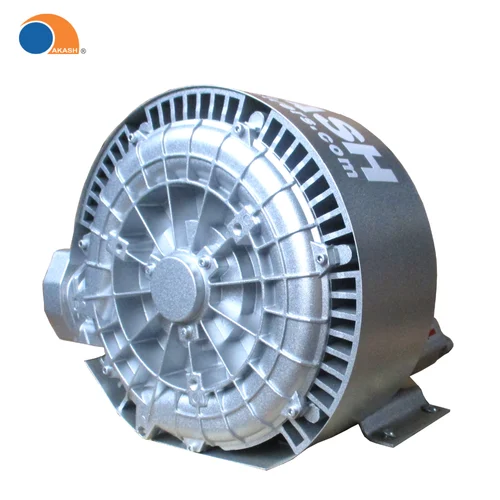
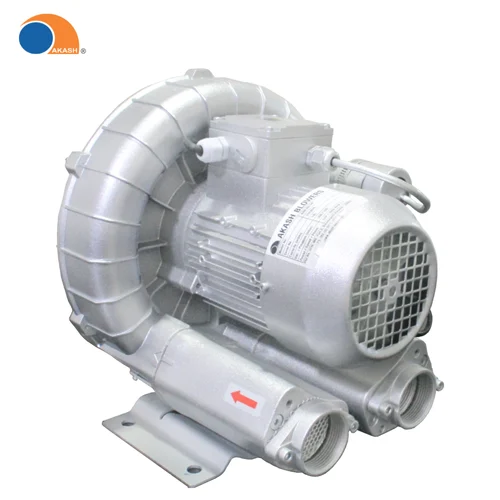
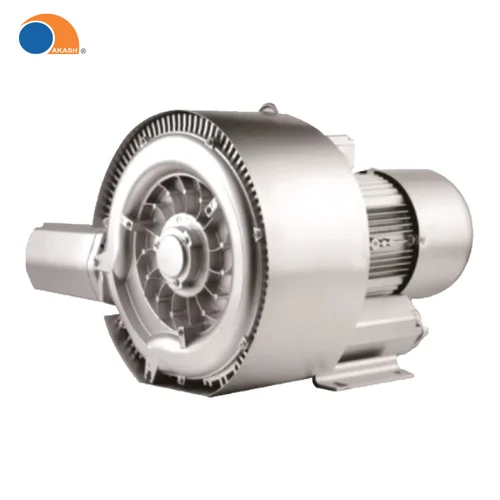
Key Benefits of Using a Dry Screw Vacuum Pump
The popularity of the dry screw vacuum pump comes from several operational advantages.
Oil-Free Process Environment
The biggest advantage is the absence of process-side oil. This can be critical when the pumped gas must remain clean.
For pharmaceutical, food, electronics, and other contamination-sensitive industries, avoiding oil contact can simplify process management.
Lower Risk of Oil Contamination
Oil carryover can create quality problems in sensitive processes. A dry vacuum pump reduces this particular source of contamination.
This can be especially valuable in applications where product purity and process cleanliness are important performance criteria.
Suitable for Continuous Operation
Dry screw pumps are designed for continuous rotary operation. When correctly selected and maintained, they can support demanding industrial processes over extended operating periods.
Strong Process Flexibility
Dry screw technology can be adapted for different process gases and operating conditions. Configurations can include different materials, coatings, cooling systems, filters, and control arrangements.
Reduced Routine Oil Maintenance
Because the compression chamber does not use conventional vacuum oil, users do not have to manage routine oil changes associated with oil-sealed vacuum pumps.
Maintenance requirements still exist, including bearing, seal, filtration, cooling, and mechanical inspections.
Good Gas Handling Capability
Dry screw pumps can be engineered to handle certain condensable vapors and process gases. However, the process must be evaluated carefully because condensation can affect pump performance.
Cleaner Industrial Operation
Reducing oil usage can contribute to a cleaner operating environment and simplified waste management.
This aligns with the broader movement toward efficient and environmentally responsible industrial equipment.
Technical Features of a Dry Screw Type Vacuum Pump
The performance of a dry screw type vacuum pump depends on several technical characteristics rather than one specification.
Important parameters include pumping speed, ultimate vacuum, motor power, operating speed, gas composition, inlet pressure, discharge pressure, temperature, cooling method, and allowable process contamination.
Rotor profile is particularly important. An optimized rotor profile can improve volumetric efficiency and reduce internal losses.
Clearances also have a major impact on performance. If clearances are too large, internal leakage can increase. If components are not properly synchronized, mechanical problems may occur.
Modern designs may also incorporate variable-speed drives, temperature monitoring, vibration monitoring, pressure sensors, and automated protection systems.
For demanding applications, users should evaluate the complete operating envelope instead of selecting a pump based solely on maximum vacuum or nominal capacity.
Dry Screw Vacuum Pump vs Oil-Sealed Vacuum Pump
| Feature | Dry Screw Vacuum Pump | Oil-Sealed Vacuum Pump |
|---|---|---|
|
Operating medium |
Dry compression without process-side oil |
Uses oil for sealing and lubrication |
|
Process cleanliness |
Excellent for oil-sensitive processes |
Oil carryover may require management |
|
Maintenance |
No routine oil replacement in compression chamber |
Oil maintenance is generally required |
|
Chemical applications |
Can be engineered for demanding process gases |
Oil compatibility must be carefully evaluated |
|
Continuous operation |
Well suited to continuous industrial operation |
Suitable for many continuous applications |
|
Gas handling |
Strong capability with suitable configuration |
Depends on oil and pump design |
|
Environmental considerations |
Reduced dependence on vacuum oil |
Requires management of used oil |
|
Process flexibility |
High when correctly specified |
Good for compatible processes |
|
Clean manufacturing |
Strong choice |
May be less suitable for contamination-sensitive processes |
|
Automation |
Can integrate with modern control systems |
Can also be automated |
The comparison should not be treated as a universal rule. The right vacuum pump depends on the process rather than simply the pump category.
How to Select the Right Dry Screw Vacuum Pump
Choosing a dry screw vacuum pump should begin with a detailed understanding of the process.
The first consideration is the required vacuum level. Different applications operate at different pressures, so the pump must be capable of achieving the required working vacuum rather than simply having a high advertised ultimate vacuum.
The second consideration is pumping speed. The required capacity depends on chamber volume, leakage, process gas load, evacuation time, and operating conditions.
Gas composition is equally important. Users should identify whether the pump will handle air, solvents, chemical vapors, moisture, corrosive gases, dust, or other contaminants.
Condensable vapors deserve special attention. If vapor enters the pump and condenses inside the compression chamber, it can affect performance and reliability. Suitable operating temperatures, purge systems, separators, or other process controls may be required.
The duty cycle should also be evaluated. A pump running continuously under heavy process loads has different requirements from one used intermittently.
Common Challenges with Dry Screw Vacuum Pumps
Although dry screw technology provides many benefits, it is not maintenance-free.
Contamination
Dust, particles, and reactive substances can enter the pump with process gas. These contaminants can accumulate or affect internal surfaces.
Solution: Install appropriate filtration and consider the gas-cleaning requirements before the pump inlet.
Condensation
Moisture and solvent vapors may condense when the gas temperature falls below the condensation point.
Solution: Evaluate vapor loads and maintain appropriate operating temperatures. Gas ballast or purge arrangements may be useful in suitable applications.
Excessive Temperature
High compression temperatures can affect seals, bearings, materials, and overall pump performance.
Solution: Ensure that the cooling system is properly sized and that operating conditions remain within the manufacturer’s recommended limits.
Incorrect Pump Selection
A pump that is too small may struggle to achieve the required process performance. An unnecessarily large pump may create inefficient operation.
Solution: Select the equipment according to actual process conditions rather than choosing based only on nominal specifications.
Poor Maintenance Practices
Even a dry vacuum pump requires regular inspection.
Operators should monitor vibration, temperature, sound, vacuum performance, filtration, seals, cooling systems, and other relevant parameters.
Maintenance Best Practices for Dry Screw Vacuum Pump
Preventive maintenance is important for achieving reliable performance.
The inlet filter should be inspected regularly because restricted airflow can affect pumping performance and increase the load on the system.
Cooling systems should also be kept clean. Reduced cooling efficiency can cause operating temperatures to rise.
Operators should monitor changes in vibration and noise. Unusual vibration can indicate bearing problems, rotor issues, imbalance, or other mechanical conditions.
Vacuum performance should be recorded over time. A gradual decline may indicate leakage, contamination, filter restriction, seal deterioration, or process changes.
Maintenance intervals should be based on actual operating conditions, manufacturer recommendations, and process severity.
Dry Screw Vacuum Pump in Modern Industrial Automation
Modern vacuum systems are increasingly connected to industrial control systems.
Sensors can monitor pressure, temperature, vibration, motor load, and other operating parameters. This allows operators to identify abnormal conditions before they become major failures.
Variable-speed operation can also help match pump performance to changing process demand.
For automated production facilities, integrating a dry screw vacuum pump into the plant control architecture can improve visibility and operational consistency.
Predictive maintenance is another developing area. By analyzing equipment data, operators can identify performance trends and plan maintenance before unexpected downtime occurs.
Dry Screw Vacuum Pump vs Other Dry Vacuum Technologies
Selecting between dry screw, dry claw, dry scroll, and other vacuum technologies depends on the process.
A dry screw vacuum pump is often attractive for industrial applications because of its continuous rotary operation and ability to handle demanding process conditions.
Dry scroll pumps may be better suited to compact laboratory or clean applications.
Dry claw pumps can provide robust performance for specific industrial processes where their operating characteristics match the requirement.
The best choice depends on vacuum range, pumping speed, gas composition, contamination, duty cycle, cooling requirements, maintenance expectations, and installation conditions.
Why Choose Akash Blowers for Dry Screw Vacuum Pump Solutions?
Selecting the right supplier is as important as selecting the right vacuum technology. Akash Blowers focuses on industrial air and vacuum equipment and can help businesses evaluate their requirements before selecting a suitable solution.
A good vacuum equipment partner should understand that every process is different. A pharmaceutical application may require a different configuration from a chemical plant, while a packaging system may have completely different operating requirements from an industrial drying process.
Akash Blowers can support users by focusing on application requirements, equipment suitability, operational reliability, and long-term performance.
The objective should not simply be to supply a dry screw vacuum pump. The objective should be to provide a vacuum solution that works effectively within the complete production system.
Application-Focused Selection
A reliable supplier should consider the actual process conditions before recommending equipment. This includes vacuum requirements, gas composition, pumping capacity, operating cycle, contamination level, and installation environment.
Industrial Reliability
Industrial vacuum equipment must operate consistently. Equipment selection, installation, maintenance, and operating practices all contribute to long-term reliability.
Technical Understanding
A supplier with technical knowledge can help users understand the difference between various dry vacuum pump technologies and identify which solution aligns with their process.
Scalable Solutions
As production requirements change, vacuum systems may need additional capacity or modified operating conditions. Selecting equipment with future scalability in mind can help businesses avoid unnecessary redesigns.
Current Trends in Dry Vacuum Pump Technology
The vacuum industry is moving toward cleaner, smarter, and more efficient technologies.
One major trend is the increasing adoption of oil-free vacuum systems. Industries are becoming more conscious of contamination, environmental management, and process cleanliness.
Another trend is intelligent monitoring. Sensors and digital controls are making it easier to monitor vacuum pump performance and identify maintenance requirements.
Energy optimization is also becoming increasingly important. Modern vacuum systems are being designed to operate more efficiently under variable process loads.
Materials and surface technologies are also evolving. Improved coatings and material combinations can increase resistance to wear and chemical exposure in demanding applications.
Compact system designs are gaining attention as manufacturers seek to reduce equipment footprints without compromising performance.
Future of Dry Screw Vacuum Pump Technology
The future of the dry screw vacuum pump industry is closely connected with automation, energy efficiency, clean manufacturing, and advanced process control.
As industries adopt Industry 4.0 technologies, vacuum pumps are likely to become more connected to production monitoring systems. Real-time operating data can provide valuable information about pump condition and process performance.
Artificial intelligence and predictive analytics may also improve maintenance planning by identifying unusual operating patterns.
Another important development is the continued improvement of rotor geometry, drive systems, cooling technology, and material engineering.
These developments can help dry vacuum systems deliver improved efficiency, reliability, and process flexibility.
Conclusion
A dry screw vacuum pump is a powerful solution for industries that require clean, reliable, continuous, and efficient vacuum generation. Its oil-free compression technology makes it especially valuable for processes where contamination control is important.
From pharmaceutical manufacturing and chemical processing to food packaging, electronics, plastics, drying, and industrial automation, dry screw technology can support a wide range of applications.
Understanding the dry vacuum pump working principle is essential for selecting the right equipment. Users should consider vacuum requirements, pumping capacity, gas composition, condensation, operating temperature, duty cycle, filtration, cooling, and long-term maintenance before making a decision.
Among the different dry vacuum technologies, the dry screw type vacuum pump offers an effective combination of continuous operation, process flexibility, clean compression, and industrial durability.
For businesses looking for dependable vacuum solutions, Akash Blowers can help evaluate application requirements and identify an appropriate dry vacuum technology. The right solution should be selected not only for immediate process requirements but also for reliability, scalability, efficiency, and long-term operational value.
If your application requires a clean and dependable vacuum system, explore dry screw vacuum pump solutions with Akash Blowers and take the next step toward improving process efficiency, reliability, and long-term industrial performance.
Frequaently Asked Question
A dry screw vacuum pump is an oil-free positive displacement vacuum pump that uses two rotating screw-shaped rotors to move and compress gas. The compression chamber does not require oil or sealing liquid, making it suitable for processes where clean vacuum generation is important.
The dry vacuum pump working principle is based on the rotation of two synchronized screw rotors. Gas enters the inlet, becomes trapped between the rotors and housing, and is progressively transported toward the discharge side. The reducing volume compresses the gas before it exits the pump.
The main advantage of a dry vacuum pump is its ability to generate vacuum without introducing oil into the process chamber. This makes it useful for applications where product contamination must be minimized.
The compression chamber of a dry screw vacuum pump operates without process-side oil. However, certain mechanical components, such as bearings or gears, may require lubrication and are generally isolated from the pumped gas.
Dry screw vacuum pumps are used in pharmaceutical manufacturing, chemical processing, food packaging, electronics, plastics, vacuum drying, laboratories, metallurgy, and various industrial manufacturing processes.
A dry vacuum pump does not use oil inside the compression chamber, while an oil-sealed pump uses oil for sealing and lubrication. Dry technology is often preferred when process cleanliness and reduced oil contamination are important.
A dry screw vacuum pump can handle air, vapors, and various process gases depending on its design and configuration. Chemical compatibility, temperature, moisture, condensable vapors, and contamination should be evaluated before selecting a pump.
Many dry screw vacuum pumps can handle certain levels of moisture and condensable vapors when properly configured. However, excessive condensation can affect performance, so vapor load, operating temperature, cooling, and purge requirements should be considered.
Yes. A properly selected and maintained dry screw vacuum pump is well suited to continuous industrial operation. Correct cooling, filtration, process control, and preventive maintenance are important for reliable long-term performance.
Important factors include required working vacuum, pumping speed, gas composition, vapor load, operating temperature, duty cycle, contamination level, cooling requirements, installation conditions, and automation requirements.
A dry screw type vacuum pump is a rotary vacuum pump that uses two precision-engineered screw rotors to transport and compress gas. The rotors operate without contact, allowing the pump to generate vacuum without oil in the compression chamber.
Yes. Dry screw vacuum pumps can be used for chemical processing, solvent recovery, evaporation, drying, and other applications. The pump’s materials, seals, coatings, temperature limits, and process compatibility should be carefully evaluated for each chemical application.
Yes. Their oil-free compression principle makes them suitable for many pharmaceutical processes where contamination control is important. The exact pump configuration should be selected according to process requirements and applicable hygiene standards.
Maintenance may include checking filters, cooling systems, seals, bearings, vibration, temperature, vacuum performance, and other operating parameters. Although the compression chamber does not require conventional vacuum oil, regular preventive maintenance remains essential.
Yes. Because the compression chamber does not use conventional oil, the risk of oil contamination in the process gas can be significantly reduced. This can be particularly beneficial for clean and sensitive manufacturing applications.
Poor performance can result from inlet restrictions, air leakage, clogged filters, excessive condensation, incorrect operating conditions, inadequate cooling, contamination, mechanical wear, or selecting a pump that does not match the actual process requirements.
Efficiency can be improved by reducing system leaks, maintaining clean filters, optimizing inlet piping, ensuring proper cooling, matching pump capacity to process demand, and using suitable control systems for variable operating conditions.
Both are dry vacuum technologies, but they use different rotor designs. A dry screw pump uses screw-shaped rotors, while a dry claw pump uses claw-shaped rotors. Their vacuum range, gas-handling capability, efficiency, and suitability vary according to the application.
Correct sizing ensures that the pump can achieve the required working vacuum and handle the actual gas load efficiently. An undersized pump may struggle with the process, while an incorrectly oversized system may operate inefficiently. Pump selection should therefore be based on actual process conditions.
Akash Blowers can help businesses identify suitable vacuum solutions based on their application requirements. Factors such as vacuum level, pumping capacity, gas composition, operating conditions, reliability, and scalability should be considered to select an appropriate dry screw vacuum pump for long-term industrial performance.
What Our Clients Say About Us

RATHOD VIJAY
4 months ago
- List Item #1
- List Item #1
- List Item #1
- List Item #1
- List Item #1
Verified Purchase
Akash Blowers service always excellent, deliveries always on time, staff highly technical and cooperative. Industrial Roots Blower performance great.

Jayesh Pangam
3 months ago
- List Item #1
- List Item #1
- List Item #1
- List Item #1
- List Item #1
Verified Purchase
Product quality very good and after-sales support also reliable. With 100% spare parts available, their Ring Blowers service makes the team more dependable.

Arvind Raut
3 months ago
- List Item #1
- List Item #1
- List Item #1
- List Item #1
- List Item #1
Verified Purchase
Akash Blowers Pvt Ltd makes quality Air Blowers; with 5 years of support their service stays prompt and cost-effective. Roots Blower performance always reliable.

Akshara m
4 months ago
- List Item #1
- List Item #1
- List Item #1
- List Item #1
- List Item #1
Verified Purchase
Best and timely service providers offering quick support and smooth coordination, delivering dependable Water Treatment Blower solutions for every requirement.
Aparna S
3 months ago
- List Item #1
- List Item #1
- List Item #1
- List Item #1
- List Item #1
Verified Purchase
Good staff service, quick quotes, and efficient Roots Blower performance. Client fully satisfied and issues resolved instantly. Well done Akash Blowers.

Anuj Sharma
3 months ago
- List Item #1
- List Item #1
- List Item #1
- List Item #1
- List Item #1
Verified Purchase
Good experience with Akash Products. Best service, on-time delivery and friendly staff. A trusted choice for Twin Lobe Roots Blower users.

Himmat Singh
Month ago
- List Item #1
- List Item #1
- List Item #1
- List Item #1
- List Item #1
Verified Purchase
Product quality very good, sales and service staff helpful, spare parts easy to get, and their Ring Blower support remains reliable and smooth.

Amit Yadav Yadav
3 years ago
- List Item #1
- List Item #1
- List Item #1
- List Item #1
- List Item #1
Verified Purchase
We’re associated for 5 years; models like AB-305, AB-44, AB-52 work great. Support is reliable, especially in Industrial Roots Blower solutions.

Divyanshu pandey
2 months ago
- List Item #1
- List Item #1
- List Item #1
- List Item #1
- List Item #1
Verified Purchase
I like all the work of this company. Very best 👍🏻 Best quality material and reliable Air Blower and Roots Blower products.

UNISTAR AQUATECH
2 months ago
- List Item #1
- List Item #1
- List Item #1
- List Item #1
- List Item #1
Verified Purchase
Very good experience with Akash Blower Company. Supportive team and quick response. Trusted for Water Treatment Blower solutions.

Dhanashree Jadhav
3 months ago
- List Item #1
- List Item #1
- List Item #1
- List Item #1
- List Item #1
Verified Purchase
Very nice service provided by Akash Blowers team. Reliable support for Ring Blower and other Industrial Roots Blower needs.

Pardeep Kumar
3 years ago
- List Item #1
- List Item #1
- List Item #1
- List Item #1
- List Item #1
Verified Purchase
Such a wonderful company to buy Ring Blower. Purchased 1 year ago, still works perfectly. Fully satisfied with Roots Blower support.

Sumeet bansal
2 months ago
- List Item #1
- List Item #1
- List Item #1
- List Item #1
- List Item #1
Verified Purchase
Their products and service are very good. Trusted for high-quality Air Blower and reliable Twin Lobe Roots Blower solutions.

Ewaltz works
9 months ago
- List Item #1
- List Item #1
- List Item #1
- List Item #1
- List Item #1
Verified Purchase
Akesh Blowers provides best on-time service and delivery. Technical, cooperative staff. Ideal for Roots Air Blower, Screw Press, and spares.

Saumyaranjan Nayak
10 months ago
- List Item #1
- List Item #1
- List Item #1
- List Item #1
- List Item #1
Verified Purchase
Best on-time service and delivery within 24–48 hours. Friendly, cooperative staff. Ideal for Roots Blower and Industrial Air Blower needs.

Account Amitaqua
3 months ago
- List Item #1
- List Item #1
- List Item #1
- List Item #1
- List Item #1
Verified Purchase
Good experience with Akash Products; their service is reliable, and both Air Blower and Roots Blower solutions deliver consistent high quality.

Mohit Kumar
2 months ago
- List Item #1
- List Item #1
- List Item #1
- List Item #1
- List Item #1
Verified Purchase
Good product and excellent service. Trusted for reliable Air Blower and high-quality Twin Lobe Roots Blower solutions.

Kishan Bhagat
11 months ago
- List Item #1
- List Item #1
- List Item #1
- List Item #1
- List Item #1
Verified Purchase
Company bahut achi hai. Staff bhi bahut acha hai. 3 saal se koi problem nahi hui. First-class service for Ring Blower & Roots Blower.

Harsh Sharma
10 months ago
- List Item #1
- List Item #1
- List Item #1
- List Item #1
- List Item #1
Verified Purchase
Good company nd quality of blowers so good nd service bhi too good. Ring Blower and Air Blower products are very reliable.

Sudhish Kumar
10 months ago
- List Item #1
- List Item #1
- List Item #1
- List Item #1
- List Item #1
Verified Purchase
Good experience with Akash Products. Nice design, excellent output as per requirement. Trusted for Roots Blower & Air Blower.
Review Us on Google
Take a moment to review us on Google and let us know how we’re doing. Your feedback helps us improve and continue delivering the best solutions.
Click Heredry screw vacuum pump, dry vacuum pump, dry vacuum pump working principle, dry screw vacuum pump manufacturers in india, dry screw type vacuum pump
dry screw vacuum pump, dry vacuum pump, dry vacuum pump working principle, dry screw vacuum pump manufacturers in india, dry screw type vacuum pump