
How to Increase Pressure of Roots Blower
Our Product Range
Explore our engineered solutions designed to meet the toughest industrial demands.
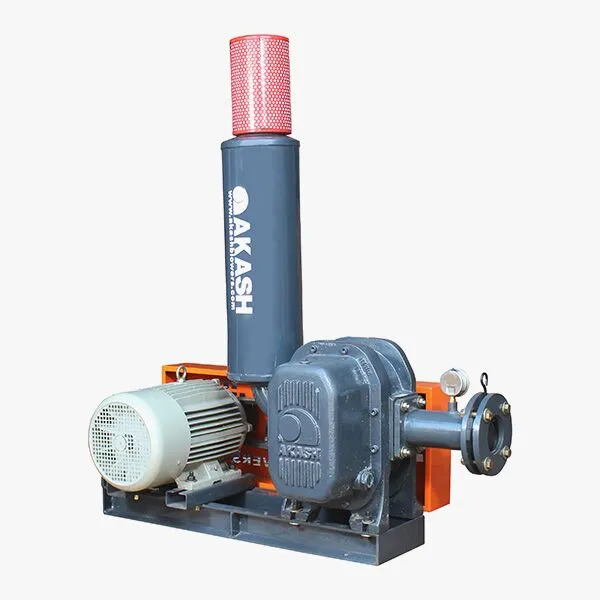
Twin Lobe Roots Blowers
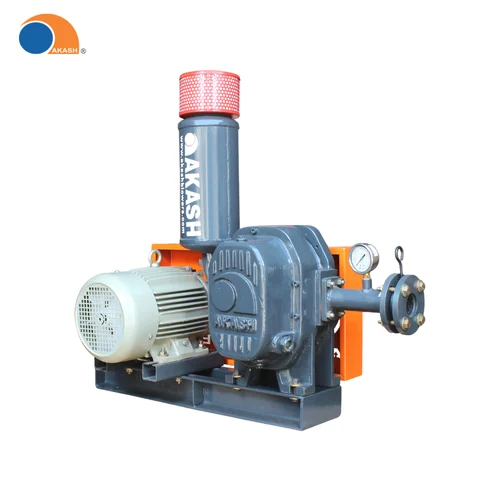
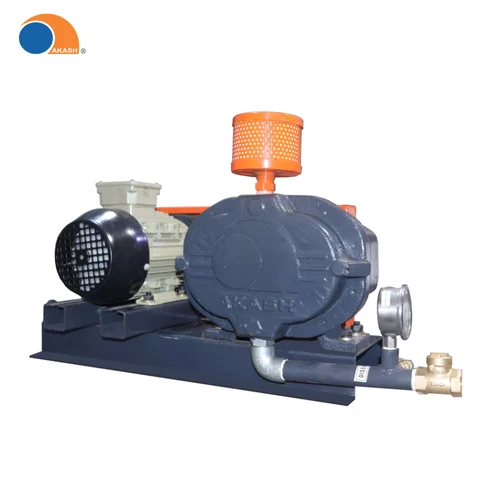
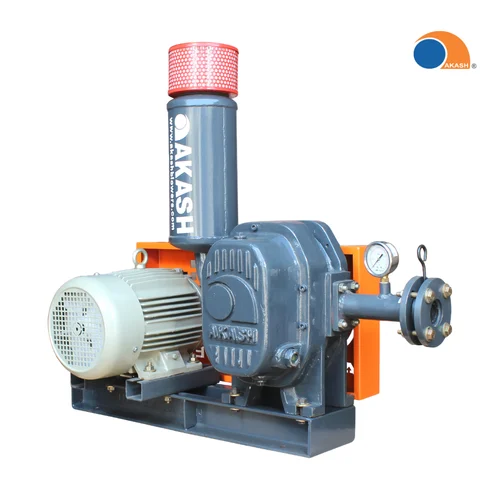
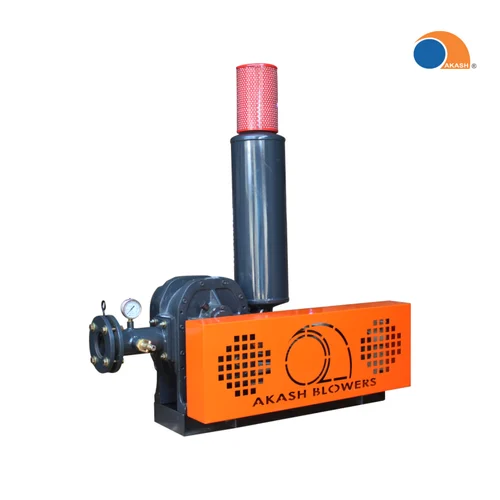
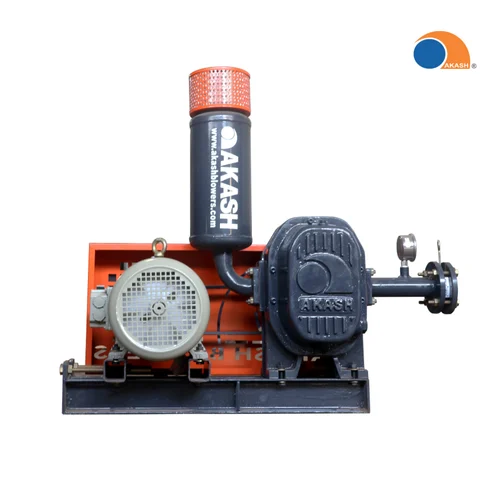
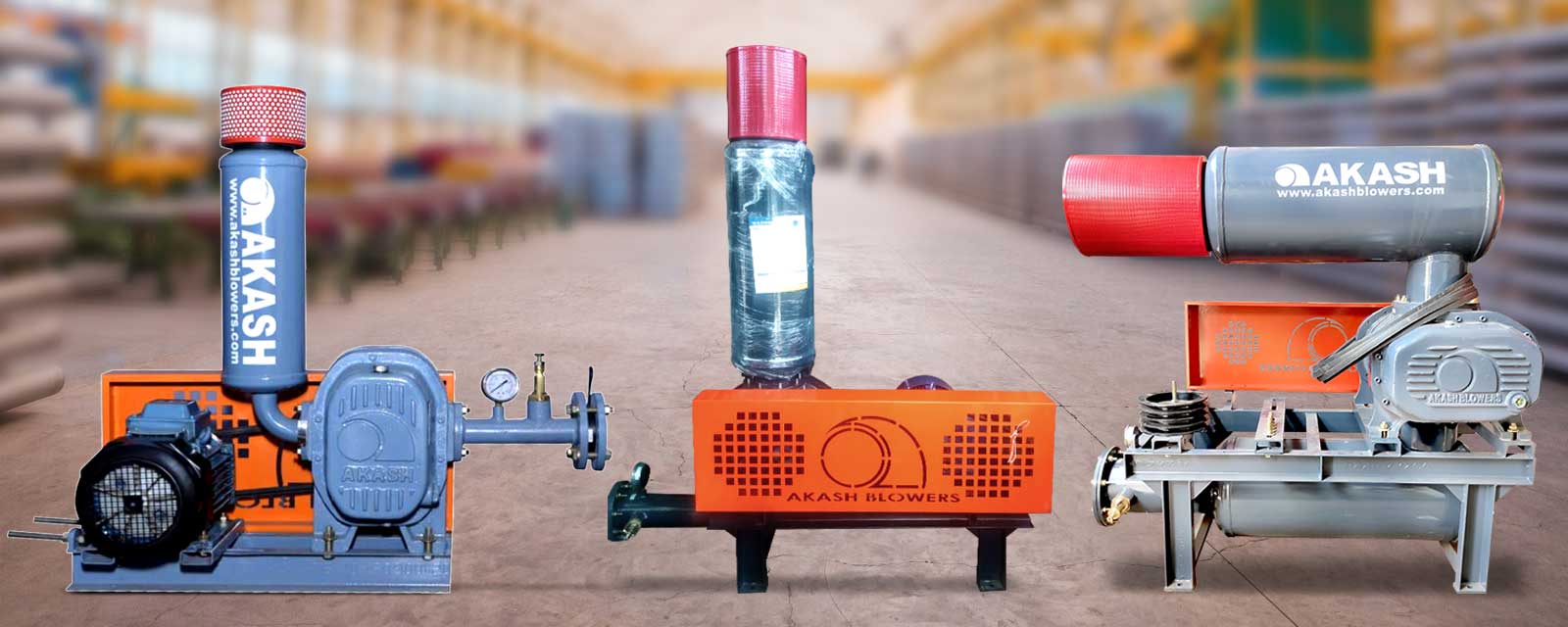
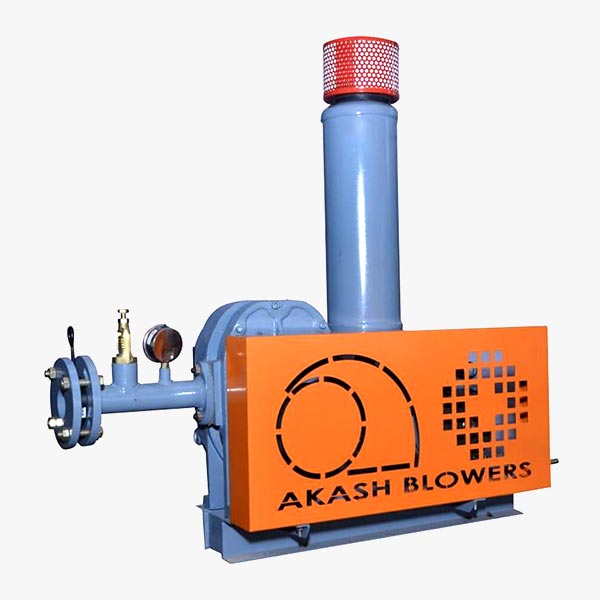
Twin Lobe Roots Blowers are highly reliable and durable positive displacement units, whose pumping capacity is determined by size, operating speed, and pressure conditions.
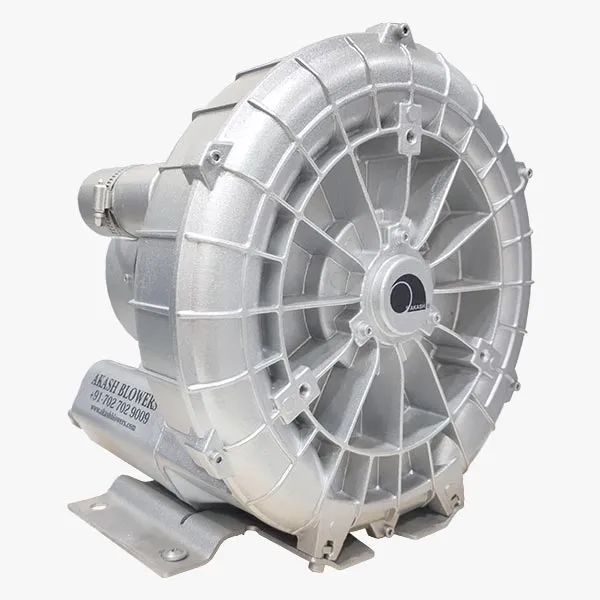
Ring/Side Channel Blowers
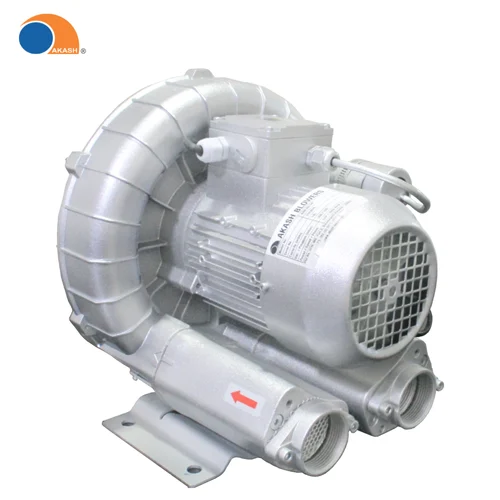
Ring/Side Channel Blowers feature spiral airflow, multiple air compression, and pulsation-free delivery, ensuring reliable, efficient, and high-performance industrial air supply.
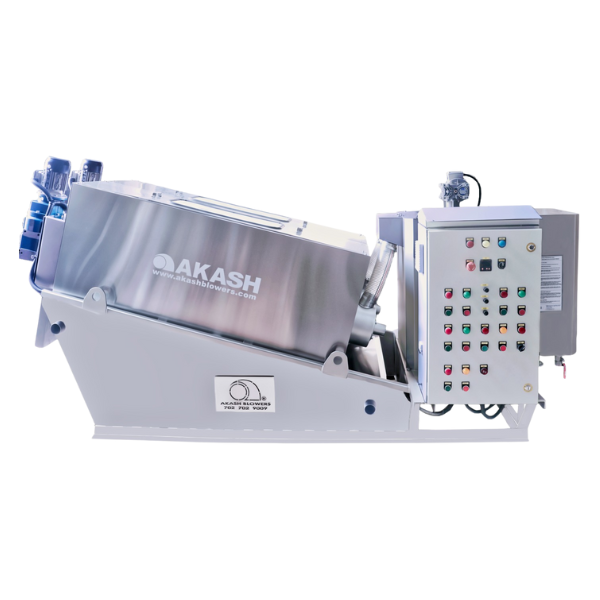
Sludge Dewatering Machine
AKASH Sludge Dewatering Machines separate solids from liquids, reducing sludge volume, lowering costs, and ensuring reliable wastewater management for industries.
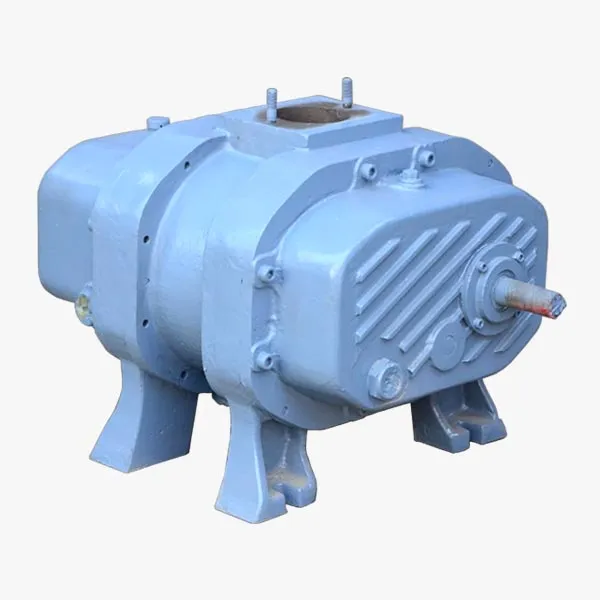
Gas Blowers
Gas Blowers are highly reliable positive displacement units designed to handle various industrial gases, with performance depending on size, speed, and pressure conditions.
overview
How to Increase Pressure of Roots Blower
How to Increase Pressure of Roots Blower is one of the most important questions for industries that depend on stable discharge pressure for pneumatic conveying, aeration, chemical processing, cement handling, wastewater treatment, and other heavy-duty industrial applications. In a Roots blower, discharge pressure is the pressure developed at the outlet when the blower moves air against system resistance.
The pressure output of a Roots blower decides how effectively air reaches the process point. If blower pressure is low, airflow may drop, conveying lines may choke, aeration may become weak, and production efficiency may suffer. If pressure is too high or uncontrolled, it can damage bearings, timing gears, seals, motor windings, and discharge piping.
This complete AKASH Blowers guide explains How to Increase Pressure of Roots Blower safely and practically. You will learn Roots blower pressure boosting techniques, Methods to increase discharge pressure in roots blower systems, Roots blower performance improvement tips, How to optimize roots blower pressure output, and Roots blower pressure control and adjustment methods used by experienced industrial maintenance engineers.
Understanding How a Roots Blower Creates Pressure
Before learning How to Increase Pressure of Roots Blower, it is important to understand how a Roots blower actually works. A Roots blower is a positive displacement blower. It uses two or three rotating lobes to trap a fixed volume of air at the inlet and move it toward the discharge side.
A Roots blower creates airflow first, not pressure directly. Pressure is created when this airflow faces resistance in the system. That resistance may come from pipe length, pipe diameter, bends, valves, filters, diffusers, silencers, nozzles, conveying lines, or process back pressure.
Airflow is commonly measured in CFM or m³/hr. Static pressure is the pressure required to overcome resistance in the piping and process. Differential pressure is the difference between inlet pressure and discharge pressure. Back pressure is the pressure pushing against the blower discharge.
This is why How to Increase Pressure of Roots Blower should never be treated as only a blower-speed problem. The full system must be checked, including inlet condition, discharge piping, pressure gauge reading, pressure relief valve setting, pipe sizing, air leakage, motor RPM, blower RPM, and process demand.
If system resistance increases, discharge pressure rises. If the blower cannot handle that resistance, airflow drops, motor load increases, temperature rises, and efficiency reduces. Good Roots blower pressure boosting techniques improve pressure output without pushing the blower beyond safe operating limits.
Factors That Affect Roots Blower Pressure
Several mechanical and system factors control pressure output. Understanding these factors is essential for How to Increase Pressure of Roots Blower without damaging the industrial roots blower.
Motor RPM and blower RPM directly affect airflow. Higher blower speed usually increases airflow, and when that airflow meets resistance, discharge pressure can improve. However, overspeeding beyond manufacturer limits can cause overheating, rotor rubbing, bearing failure, timing gear stress, and motor overload.
Motor power decides whether the blower can maintain pressure under load. An undersized motor may run at lower speed, trip frequently, draw high current, or fail to achieve required discharge pressure. Correct motor selection is one of the most practical Roots blower performance improvement tips.
Pipe diameter also has a strong effect on pressure. Small pipes increase friction losses and pressure drop. Long discharge piping, sharp bends, partially closed valves, blocked silencers, and poor layout reduce usable pressure at the process point.
Air density, temperature, and altitude also influence blower pressure. Hot air is less dense, so the same blower may deliver lower mass flow. At higher altitude, inlet air density reduces, which can affect pressure output and process performance.
Air leakage is another major reason for pressure loss. Leakage from flanges, gaskets, valves, flexible joints, cracked piping, or loose fittings can reduce useful discharge pressure even when the blower itself is mechanically healthy.
Internal clearances, rotor timing, rotor wear, bearing wear, lubrication, and timing gear condition also affect pressure output. Worn internal parts allow air leakage inside the blower casing. For How to optimize roots blower pressure output, both external system losses and internal blower condition must be checked.
When Should You Upgrade Your Roots Blower?
Upgrade your Roots blower when pressure loss continues even after filter cleaning, leakage repair, alignment correction, lubrication, and system maintenance. Continuous pressure loss may indicate that the blower is undersized, worn, or no longer suitable for the process.
Motor overload, high energy consumption, repeated repairs, increased downtime, and growing air demand are strong upgrade signals. Industrial expansion often requires higher CFM and higher pressure output than the original blower was designed to deliver.
In such cases, AKASH Blowers can help select an appropriately sized Roots blower for required airflow, discharge pressure, duty cycle, operating temperature, and industrial application. A properly sized AKASH Blowers unit improves reliability, reduces power waste, and supports long-term industrial maintenance.
Why Your Roots Blower Is Not Producing Enough Pressure
Before applying Methods to increase discharge pressure in roots blower systems, identify why pressure is low. Increasing speed without diagnosis can overload the blower and create safety risks.
A dirty inlet filter is one of the most common reasons for low pressure. Symptoms include poor airflow, high inlet vacuum, increased temperature, and reduced pressure output. Inspect the air filter and inlet silencer. The recommended solution is to clean or replace the filter as per site conditions.
Air leakage reduces useful pressure. Symptoms include hissing sound, low pressure gauge reading, pressure drop at the process point, and longer operating time. Inspect flanges, valves, gaskets, flexible connectors, pipe joints, and end-use points. The solution is leak testing and proper sealing.
Loose belts can reduce blower RPM. Symptoms include belt slip, belt dust, low airflow, and unstable blower pressure. Inspect belt tension, pulley alignment, and belt wear. Correct tension or replace belts where required.
Incorrect pulley ratio may prevent the blower from reaching design speed. Symptoms include low CFM, low discharge pressure, and normal motor current. Check the pulley sizes and compare actual blower RPM with design data. Correct the pulley ratio only within manufacturer limits.
Low RPM may also result from wrong VFD settings, low voltage, electrical faults, or motor problems. Inspect motor RPM, VFD frequency, current, and voltage. Correct the settings carefully as part of Roots blower pressure control and adjustment.
An undersized motor cannot deliver enough torque at required pressure. Symptoms include motor overload, frequent tripping, high current, and speed drop under load. The solution is to review motor power and upgrade if the blower is suitable for the required duty.
Worn bearings increase friction and disturb rotor movement. Symptoms include noise, vibration, high temperature, and pressure instability. Inspect bearing temperature, lubrication condition, and vibration. Replace worn bearings before they cause rotor contact.
Rotor wear and increased rotor clearance reduce internal efficiency. Symptoms include falling pressure output, higher power consumption, and lower process performance. Inspect rotor condition, casing clearance, and internal air leakage.
Incorrect rotor timing affects pressure and can lead to rotor rubbing. Symptoms include knocking sound, heat, vibration, poor efficiency, and pressure loss. Timing gears should be inspected and reset by trained technicians.
Pipe leakage, improper installation, blocked discharge piping, early pressure relief valve opening, and poor pipe sizing are also common reasons for pressure loss. Every inspection should include pressure monitoring, pressure testing, and system resistance review.
Common Pressure Problems in Roots Blowers and Their Solutions
| Problem | Possible Cause | Recommended Solution |
|---|---|---|
|
Low discharge pressure |
Air leakage or dirty inlet filter |
Repair leaks and clean or replace filter |
|
Pressure drops under load |
Undersized motor, low RPM, or wrong pulley ratio |
Check motor power, RPM, pulley ratio, and VFD setting |
|
Relief valve releases air frequently |
Incorrect relief valve setting or high back pressure |
Reset valve safely and inspect system resistance |
|
High pressure but low airflow |
Blocked pipe, undersized pipe, or clogged diffuser |
Clean discharge line and optimize pipe sizing |
|
Motor overload at target pressure |
Excessive system resistance or wrong blower selection |
Perform pressure testing and review blower sizing |
|
Pressure fluctuates |
Leakage, unstable air demand, or poor pressure control |
Fix leaks, add pressure monitoring, and tune control system |
How to Increase Pressure of Roots Blower
This is the main section on How to Increase Pressure of Roots Blower. The safest approach is to improve the system first, then adjust the blower. A Roots blower should never be forced beyond its design pressure, speed, temperature, or motor power limit.
How to Increase Pressure of Roots Blower by increasing RPM
Increasing blower RPM can improve airflow and help the blower develop higher discharge pressure against system resistance. This is one of the common Roots blower pressure boosting techniques, but it must be done carefully.
Implementation may involve pulley correction or VFD adjustment. The advantage is faster pressure improvement. The limitation is higher motor power demand, higher temperature, more noise, and increased wear. The safety rule is simple: never exceed AKASH Blowers’ recommended RPM limit.
How to Increase Pressure of Roots Blower with VFD control
A Variable Frequency Drive allows controlled speed adjustment. Using a VFD is one of the best Methods to increase discharge pressure in roots blower applications where air demand changes during operation.
The VFD should be set with minimum and maximum frequency limits. The advantage is smooth pressure control, better energy efficiency, and reduced mechanical shock. The limitation is that VFD settings must match motor capacity, blower speed limits, and process requirements.
How to Increase Pressure of Roots Blower by upgrading motor power
If the blower has enough mechanical capacity but the motor is undersized, upgrading motor power can help maintain pressure under load. This is one of the important Roots blower performance improvement tips for plants facing motor tripping at required pressure.
Implementation requires checking motor power, current, service factor, starting method, and blower duty. The advantage is stronger pressure support. The limitation is that a bigger motor cannot fix an undersized blower, blocked discharge pipe, or excessive system resistance.
How to Increase Pressure of Roots Blower by reducing air leakage
Reducing air leakage is one of the most effective and low-cost Methods to increase discharge pressure in roots blower systems. Even a small leak can reduce useful pressure output, especially in long pipelines.
Inspect flanges, gaskets, valves, flexible joints, pipe welds, and process connections. The advantage is immediate efficiency improvement. The limitation is that hidden leakage may require pressure testing, soap solution testing, ultrasonic leak detection, or shutdown inspection.
How to Increase Pressure of Roots Blower by cleaning inlet filters
A clean inlet filter allows the blower to draw air freely. A blocked filter restricts airflow and reduces pressure stability.
Clean or replace inlet filters according to dust level and operating hours. The advantage is improved CFM, lower temperature, and better blower efficiency. The limitation is that dusty sites need more frequent filter inspection.
Optimize discharge piping
Discharge piping optimization is essential for How to optimize roots blower pressure output. Correct pipe diameter, smooth bends, proper valve selection, and reduced pipe length help reduce pressure drop.
Implementation includes checking pipe size, bend radius, silencer condition, flexible joints, and pipe supports. The advantage is lower energy consumption and better pressure at the process point. The limitation is that piping modification may require planned shutdown.
Increase pipe efficiency
Pipe efficiency can be improved by removing unnecessary elbows, using properly sized valves, cleaning internal deposits, and avoiding sudden diameter changes. This supports Roots blower pressure boosting techniques without increasing machine stress.
Expected improvement depends on existing pressure loss. In pneumatic conveying, poor bends and undersized pipelines can waste a large part of available static pressure.
Adjust the pressure relief valve
The pressure relief valve protects the blower from dangerous overpressure. If it is set too low, it opens early and releases air before the process receives required pressure.
Correct adjustment is part of Roots blower pressure control and adjustment. The advantage is restored usable pressure. The limitation is high safety risk if the valve is over-tightened, blocked, or set above rated blower pressure.
Replace worn bearings
Worn bearings increase friction, heat, vibration, and rotor movement. They may reduce pressure stability and disturb rotor clearance.
Replace bearings when noise, temperature, or vibration indicates wear. This supports predictive maintenance, condition monitoring, and long-term pressure reliability.
Maintain rotor clearance
Rotor clearance controls internal air leakage. Excessive clearance reduces pressure output, while insufficient clearance can cause rotor rubbing.
Professional inspection is required for clearance correction. This method is highly useful for old industrial blowers where pressure output has reduced gradually over time.
Improve lubrication
Correct lubrication protects bearings and timing gears. Poor lubrication increases heat, friction, and wear, which reduces blower efficiency and pressure stability.
Use the recommended oil or grease grade and correct quantity. The advantage is improved reliability and lower wear. The limitation is that lubrication cannot correct damaged bearings, worn rotors, or wrong blower sizing.
Upgrade blower capacity
Sometimes the correct answer to How to Increase Pressure of Roots Blower is to upgrade the blower. If plant air demand has increased, the existing blower may not be capable of delivering required CFM and pressure.
Upgrade to a properly sized AKASH Blowers Roots blower based on airflow, discharge pressure, duty cycle, temperature, altitude, and application.
Optimize system resistance
Reducing unnecessary system resistance is one of the smartest Roots blower pressure boosting techniques. Check blocked filters, narrow pipes, undersized valves, clogged diffusers, discharge restrictions, and long pipe runs.
This method improves pressure output and energy efficiency together. It is also safer than simply increasing blower RPM.
Balance airflow demand
If multiple process users are connected to one blower, demand fluctuation can cause pressure instability. Airflow demand should be balanced through proper valves, pressure controller logic, and process sequencing.
This method supports How to optimize roots blower pressure output in plants with multiple discharge points. The limitation is that complex systems may need automatic pressure control.
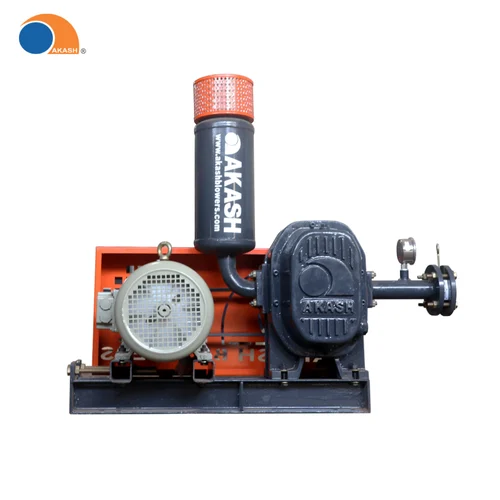
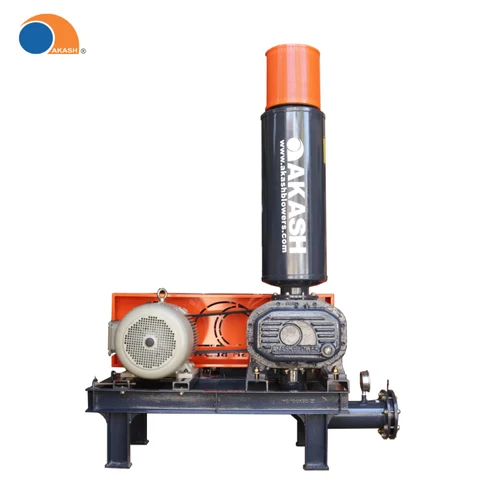
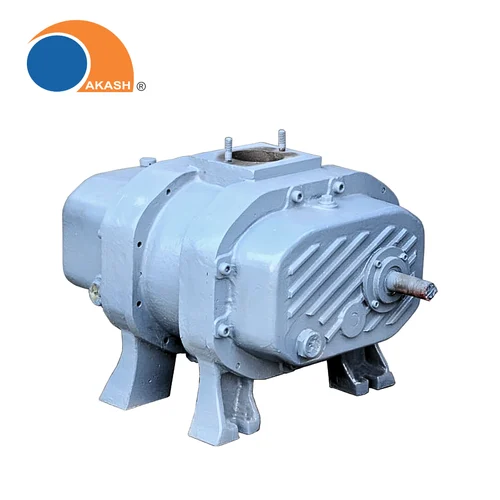
Our Roots Blowers
Roots Blower Pressure Boosting Techniques
Advanced Roots blower pressure boosting techniques focus on pressure optimization, pressure balancing, and pressure loss reduction. A senior engineer first checks whether the required pressure is realistic for the selected blower.
Reducing pressure loss is usually better than increasing speed. Improve discharge piping, remove restrictions, inspect valve sizing, clean silencers, and eliminate unnecessary bends. These Roots blower pressure boosting techniques improve discharge efficiency without overloading the machine.
Pressure balancing is important when one blower supplies multiple process lines. Uneven demand can reduce pressure in one line while another line receives excess airflow. Correct balancing valves and pressure monitoring improve system stability.
Industrial best practices include leak testing, pressure testing, performance testing, current monitoring, temperature monitoring, and condition monitoring. Roots blower pressure boosting techniques should always be supported by data, not guesswork.
Methods to Increase Discharge Pressure in Roots Blower
Professional Methods to increase discharge pressure in roots blower systems begin with proper blower sizing. The blower must match required CFM, discharge pressure, duty cycle, operating temperature, inlet condition, altitude, and application.
VFD optimization is another reliable method. It allows operators to control blower RPM according to process demand. However, Methods to increase discharge pressure in roots blower applications must consider motor power, relief valve setting, bearing load, discharge temperature, and blower speed limit.
Pressure monitoring helps identify whether pressure loss is happening at the blower outlet or in the pipeline. Leak testing finds hidden air loss. Performance testing compares actual pressure output with design data.
System redesign may be required when pipe size, diffuser load, conveying distance, or plant demand has changed. These Methods to increase discharge pressure in roots blower installations are most effective when applied together as a complete engineering approach.
How to Optimize Roots Blower Pressure Output
How to optimize roots blower pressure output starts with accurate pressure monitoring. Install a reliable pressure gauge near the blower discharge and, where possible, another pressure gauge near the process point. The difference between both readings shows pressure drop in the pipeline.
Pressure testing should be done under normal operating load. Check discharge pressure, airflow, motor current, temperature, relief valve action, and VFD frequency. Correct RPM is important because low RPM reduces airflow, while excessive RPM increases heat and power consumption.
Lubrication, rotor timing, bearing condition, air filter cleaning, pipe optimization, and leakage control all support How to optimize roots blower pressure output. A proper maintenance schedule prevents gradual pressure loss.
Condition monitoring improves reliability. When pressure, temperature, current, and vibration trends are reviewed together, engineers can detect early signs of bearing wear, air leakage, filter blockage, or system resistance. This is one of the most useful Roots blower performance improvement tips for continuous-duty plants.
Roots Blower Pressure Control and Adjustment
Roots blower pressure control and adjustment require accurate instruments, safe settings, and trained operation. A pressure gauge gives real-time discharge pressure. A pressure switch can trigger alarms or shutdowns when pressure crosses safe limits.
Pressure relief valves protect the blower from dangerous back pressure. They should not be used as normal pressure controllers. A relief valve that continuously vents air wastes energy and indicates poor Roots blower pressure control and adjustment.
Pressure regulators and control valves may be used in specific systems, but they should be selected carefully to avoid unnecessary pressure drop. VFD-based automatic control is often better for variable demand applications.
Automatic pressure control uses a pressure controller, pressure transmitter, and VFD to maintain target discharge pressure. Pressure alarms, pressure monitoring systems, and trend data make Roots blower pressure control and adjustment safer and more efficient.
Common Mistakes That Reduce Pressure
Many pressure problems come from avoidable mistakes. Ignoring filter cleaning reduces inlet airflow. Overspeeding the blower creates heat and mechanical stress. Poor lubrication damages bearings and timing gears.
Wrong pipe size increases pressure drop. Ignoring air leakage wastes useful blower pressure. Improper installation creates pipe strain, coupling misalignment, and unstable pressure output.
Incorrect pulley ratio reduces blower RPM or overloads the motor. Using an undersized blower forces the machine to operate outside its efficient range. Ignoring preventive maintenance allows gradual performance loss.
Wrong pressure settings can cause early pressure relief valve opening or low process pressure. Poor alignment increases friction and power loss. A blocked discharge pipe increases back pressure and may trip the motor.
These mistakes reduce pressure, increase energy consumption, and shorten blower life. Many Roots blower performance improvement tips are simple, but they must be followed consistently.
Preventive Maintenance to Maintain Maximum Pressure
Daily inspection should include pressure gauge reading, motor current, discharge temperature, noise, oil level, vibration, and visible leakage. Operators should compare present discharge pressure with baseline values.
Weekly inspection should include inlet filter cleaning, belt tension if applicable, coupling guard, pipe supports, flange joints, and pressure relief valve condition. These weekly checks support How to Increase Pressure of Roots Blower by preventing small losses from becoming major failures.
Monthly inspection should include pressure testing, airflow trend review, lubrication condition, vibration check, and inspection of discharge piping. Monthly records help engineers understand How to optimize roots blower pressure output over time.
Quarterly inspection should include coupling alignment, VFD parameter review, pressure switch calibration, valve inspection, and leak testing. Quarterly maintenance supports Roots blower pressure control and adjustment.
Yearly inspection should include rotor clearance, timing gears, bearing condition, internal inspection, and full performance testing. Preventive maintenance keeps discharge pressure stable by reducing air leakage, controlling friction, preventing wear, and maintaining correct operating conditions.
Conclusion
How to Increase Pressure of Roots Blower requires a complete engineering approach. Increasing RPM may help, but real pressure improvement comes from correct blower sizing, leak control, clean inlet filters, optimized discharge piping, proper motor power, accurate pressure monitoring, and disciplined maintenance.
Roots blower pressure boosting techniques, Methods to increase discharge pressure in roots blower systems, Roots blower performance improvement tips, How to optimize roots blower pressure output, and Roots blower pressure control and adjustment should always be applied safely within manufacturer limits.
For reliable, high-performance, and energy-efficient Roots blowers, AKASH Blowers offers precision-engineered solutions for demanding industrial applications. If your plant needs better pressure output, stable operation, or expert blower selection, connect with AKASH Blowers for professional guidance on How to Increase Pressure of Roots Blower.
Frequaently Asked Question
To increase pressure of a Roots blower, first check for air leakage, dirty inlet filters, low blower RPM, wrong pulley ratio, undersized motor, blocked discharge piping, and incorrect pressure relief valve settings. After fixing these issues, pressure can be improved through proper RPM adjustment, VFD control, pipe optimization, leak control, and preventive maintenance.
A Roots blower may not produce enough pressure due to a dirty inlet filter, air leakage, low RPM, loose belts, incorrect pulley ratio, worn bearings, rotor wear, wrong rotor timing, pipe leakage, blocked discharge line, undersized motor, or early opening of the pressure relief valve.
Yes, increasing blower RPM can help improve pressure output, but only within the manufacturer’s recommended speed limit. Overspeeding a Roots blower can cause overheating, high vibration, bearing failure, rotor rubbing, gear wear, and motor overload.
The best Roots blower pressure boosting techniques include reducing air leakage, cleaning inlet filters, optimizing discharge piping, adjusting VFD settings, checking pulley ratio, maintaining rotor clearances, improving lubrication, upgrading motor power, and selecting the correct blower capacity for the application.
A Variable Frequency Drive, or VFD, helps control blower RPM according to process demand. By increasing or reducing speed smoothly, a VFD can improve pressure control, reduce energy waste, prevent sudden mechanical load, and maintain stable discharge pressure.
Yes, if the pressure relief valve is set too low or opens too early, it releases air before the process receives the required discharge pressure. The valve should be inspected and adjusted only within the blower’s safe operating pressure limit.
Air leaks reduce usable discharge pressure because part of the airflow escapes before reaching the process point. Leaks commonly occur at flanges, gaskets, valves, flexible joints, pipe connections, and damaged piping. Leak testing and proper sealing can improve pressure output quickly.
You should upgrade your Roots blower if pressure loss continues after filter cleaning, leak repair, alignment correction, lubrication, and maintenance. Upgrade may also be needed when air demand has increased, the motor is overloaded, energy consumption is high, or the blower requires repeated repairs.
Discharge piping affects pressure through pipe diameter, pipe length, bends, valves, silencers, and restrictions. Undersized pipes, sharp elbows, blocked pipes, and long pipe runs increase pressure drop and reduce useful pressure at the process point.
Roots blower pressure should be checked daily during operation through pressure gauge readings. Weekly checks should include filters, leakage, belts, and pipe supports. Monthly or quarterly inspections should include pressure testing, airflow review, VFD settings, pressure switch calibration, and preventive maintenance.
how to check root blower vibration
Roots blower vibration analysis,How to measure blower vibration levels,Roots blower vibration troubleshooting,Causes of vibration in roots blower,Vibration monitoring in industrial blowers
Roots blower vibration analysis,How to measure blower vibration levels,Roots blower vibration troubleshooting,Causes of vibration in roots blower,Vibration monitoring in industrial blowers
What Our Clients Say About Us

RATHOD VIJAY
4 months ago
- List Item #1
- List Item #1
- List Item #1
- List Item #1
- List Item #1
Verified Purchase
Akash Blowers service always excellent, deliveries always on time, staff highly technical and cooperative. Industrial Roots Blower performance great.

Jayesh Pangam
3 months ago
- List Item #1
- List Item #1
- List Item #1
- List Item #1
- List Item #1
Verified Purchase
Product quality very good and after-sales support also reliable. With 100% spare parts available, their Ring Blowers service makes the team more dependable.

Arvind Raut
3 months ago
- List Item #1
- List Item #1
- List Item #1
- List Item #1
- List Item #1
Verified Purchase
Akash Blowers Pvt Ltd makes quality Air Blowers; with 5 years of support their service stays prompt and cost-effective. Roots Blower performance always reliable.

Akshara m
4 months ago
- List Item #1
- List Item #1
- List Item #1
- List Item #1
- List Item #1
Verified Purchase
Best and timely service providers offering quick support and smooth coordination, delivering dependable Water Treatment Blower solutions for every requirement.
Aparna S
3 months ago
- List Item #1
- List Item #1
- List Item #1
- List Item #1
- List Item #1
Verified Purchase
Good staff service, quick quotes, and efficient Roots Blower performance. Client fully satisfied and issues resolved instantly. Well done Akash Blowers.

Anuj Sharma
3 months ago
- List Item #1
- List Item #1
- List Item #1
- List Item #1
- List Item #1
Verified Purchase
Good experience with Akash Products. Best service, on-time delivery and friendly staff. A trusted choice for Twin Lobe Roots Blower users.

Himmat Singh
Month ago
- List Item #1
- List Item #1
- List Item #1
- List Item #1
- List Item #1
Verified Purchase
Product quality very good, sales and service staff helpful, spare parts easy to get, and their Ring Blower support remains reliable and smooth.

Amit Yadav Yadav
3 years ago
- List Item #1
- List Item #1
- List Item #1
- List Item #1
- List Item #1
Verified Purchase
We’re associated for 5 years; models like AB-305, AB-44, AB-52 work great. Support is reliable, especially in Industrial Roots Blower solutions.

Divyanshu pandey
2 months ago
- List Item #1
- List Item #1
- List Item #1
- List Item #1
- List Item #1
Verified Purchase
I like all the work of this company. Very best 👍🏻 Best quality material and reliable Air Blower and Roots Blower products.

UNISTAR AQUATECH
2 months ago
- List Item #1
- List Item #1
- List Item #1
- List Item #1
- List Item #1
Verified Purchase
Very good experience with Akash Blower Company. Supportive team and quick response. Trusted for Water Treatment Blower solutions.

Dhanashree Jadhav
3 months ago
- List Item #1
- List Item #1
- List Item #1
- List Item #1
- List Item #1
Verified Purchase
Very nice service provided by Akash Blowers team. Reliable support for Ring Blower and other Industrial Roots Blower needs.

Pardeep Kumar
3 years ago
- List Item #1
- List Item #1
- List Item #1
- List Item #1
- List Item #1
Verified Purchase
Such a wonderful company to buy Ring Blower. Purchased 1 year ago, still works perfectly. Fully satisfied with Roots Blower support.

Sumeet bansal
2 months ago
- List Item #1
- List Item #1
- List Item #1
- List Item #1
- List Item #1
Verified Purchase
Their products and service are very good. Trusted for high-quality Air Blower and reliable Twin Lobe Roots Blower solutions.

Ewaltz works
9 months ago
- List Item #1
- List Item #1
- List Item #1
- List Item #1
- List Item #1
Verified Purchase
Akesh Blowers provides best on-time service and delivery. Technical, cooperative staff. Ideal for Roots Air Blower, Screw Press, and spares.

Saumyaranjan Nayak
10 months ago
- List Item #1
- List Item #1
- List Item #1
- List Item #1
- List Item #1
Verified Purchase
Best on-time service and delivery within 24–48 hours. Friendly, cooperative staff. Ideal for Roots Blower and Industrial Air Blower needs.

Account Amitaqua
3 months ago
- List Item #1
- List Item #1
- List Item #1
- List Item #1
- List Item #1
Verified Purchase
Good experience with Akash Products; their service is reliable, and both Air Blower and Roots Blower solutions deliver consistent high quality.

Mohit Kumar
2 months ago
- List Item #1
- List Item #1
- List Item #1
- List Item #1
- List Item #1
Verified Purchase
Good product and excellent service. Trusted for reliable Air Blower and high-quality Twin Lobe Roots Blower solutions.

Kishan Bhagat
11 months ago
- List Item #1
- List Item #1
- List Item #1
- List Item #1
- List Item #1
Verified Purchase
Company bahut achi hai. Staff bhi bahut acha hai. 3 saal se koi problem nahi hui. First-class service for Ring Blower & Roots Blower.

Harsh Sharma
10 months ago
- List Item #1
- List Item #1
- List Item #1
- List Item #1
- List Item #1
Verified Purchase
Good company nd quality of blowers so good nd service bhi too good. Ring Blower and Air Blower products are very reliable.

Sudhish Kumar
10 months ago
- List Item #1
- List Item #1
- List Item #1
- List Item #1
- List Item #1
Verified Purchase
Good experience with Akash Products. Nice design, excellent output as per requirement. Trusted for Roots Blower & Air Blower.
Review Us on Google
Take a moment to review us on Google and let us know how we’re doing. Your feedback helps us improve and continue delivering the best solutions.
Click Hereadvantages and disadvantages of roots blower, Pros and cons of roots blower,Benefits of roots air blower,Limitations of roots blower system,Limitations of roots blower system,Roots blower disadvantages and problems
advantages and disadvantages of roots blower, Pros and cons of roots blower,Benefits of roots air blower,Limitations of roots blower system,Limitations of roots blower system,Roots blower disadvantages and problems