
How to Check Root Blower Vibration
Our Product Range
Explore our engineered solutions designed to meet the toughest industrial demands.
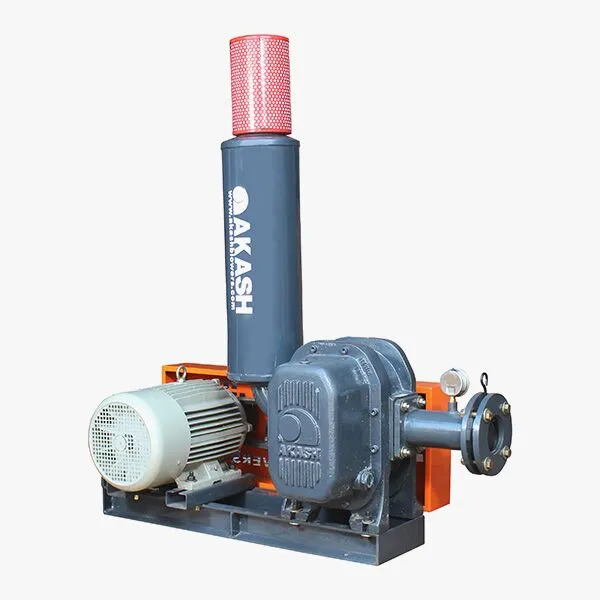
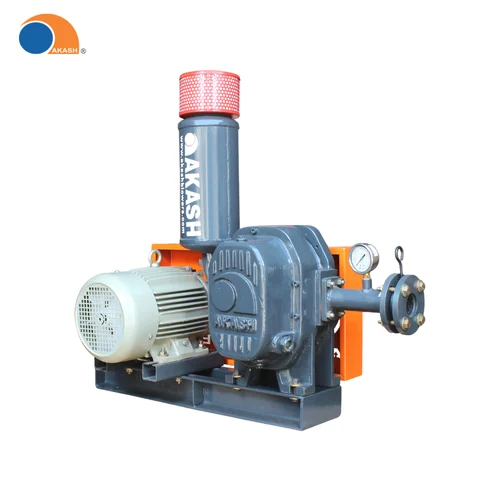
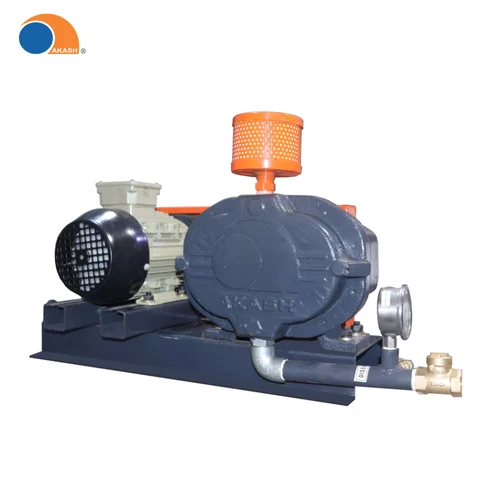
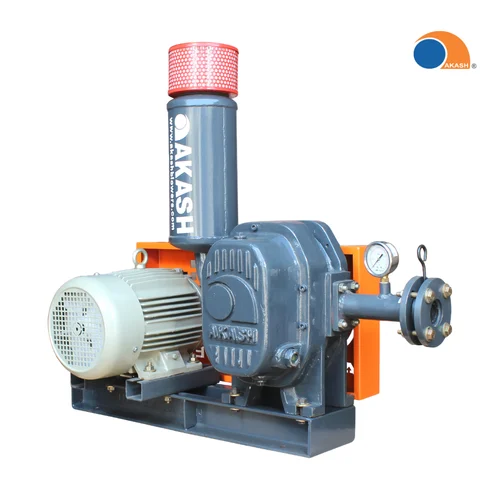
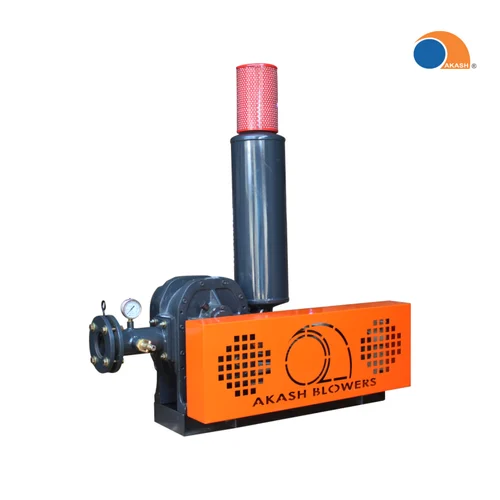
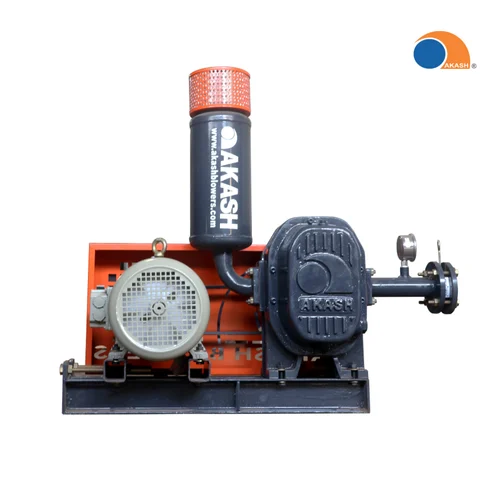
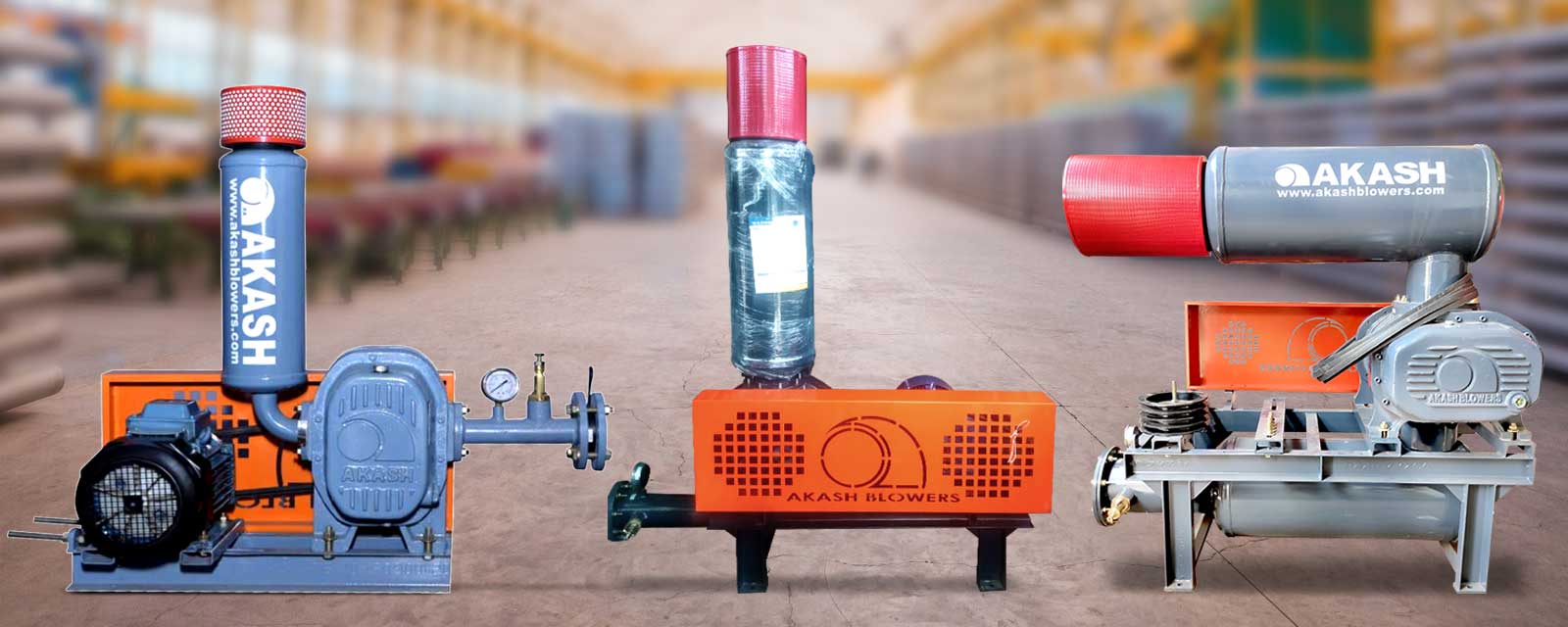
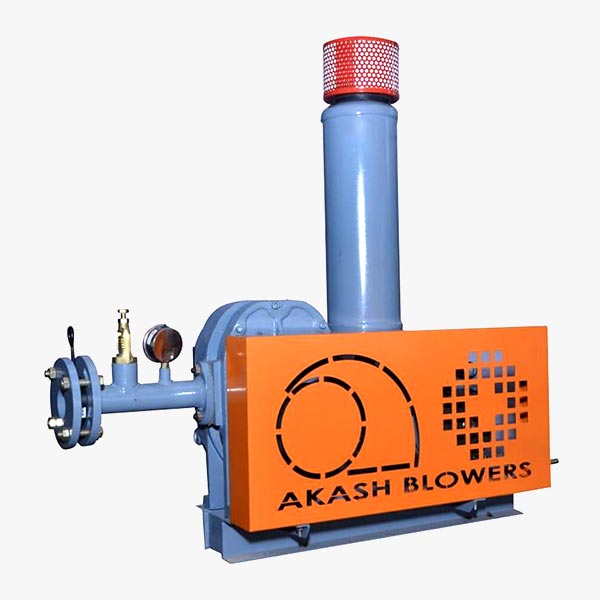
Twin Lobe Roots Blowers
Twin Lobe Roots Blowers are highly reliable and durable positive displacement units, whose pumping capacity is determined by size, operating speed, and pressure conditions.
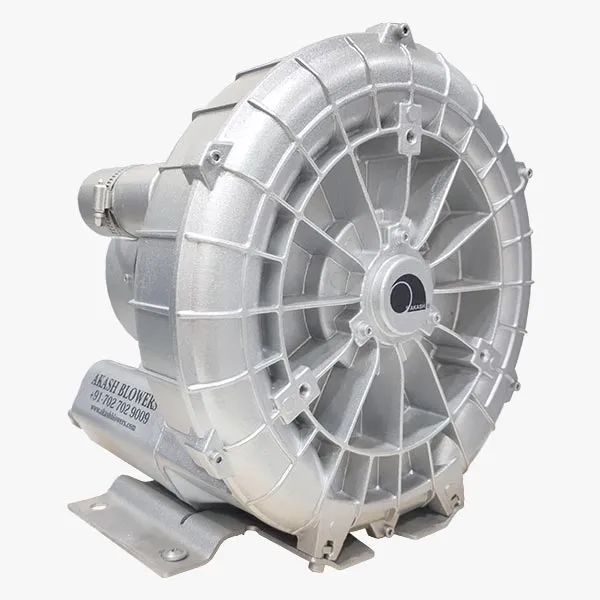
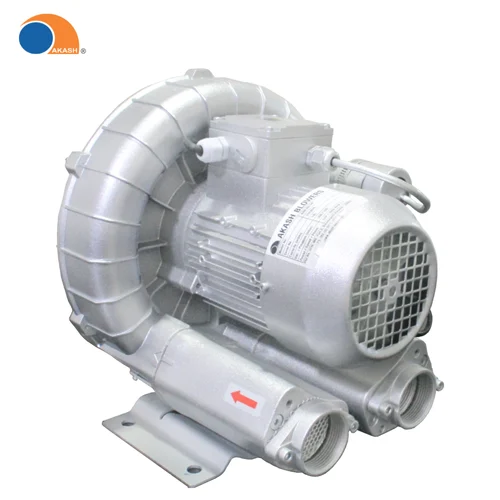
Ring/Side Channel Blowers
Ring/Side Channel Blowers feature spiral airflow, multiple air compression, and pulsation-free delivery, ensuring reliable, efficient, and high-performance industrial air supply.
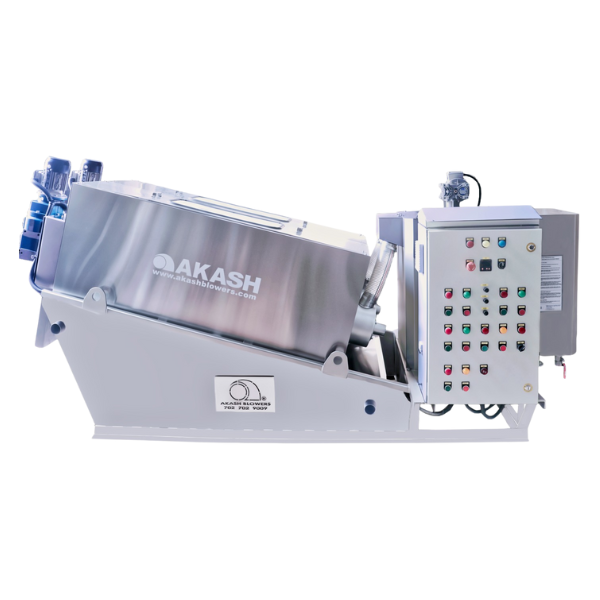
Sludge Dewatering Machine
AKASH Sludge Dewatering Machines separate solids from liquids, reducing sludge volume, lowering costs, and ensuring reliable wastewater management for industries.
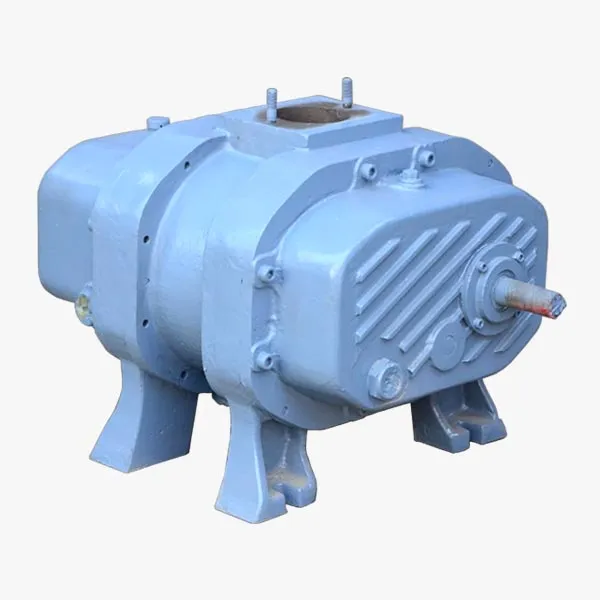
Gas Blowers
Gas Blowers are highly reliable positive displacement units designed to handle various industrial gases, with performance depending on size, speed, and pressure conditions.
overview
How to Check Root Blower Vibration
How to Check Root Blower Vibration is one of the most important maintenance questions for any plant using a Roots blower, industrial blower, rotary lobe blower, or positive displacement blower. A blower may look normal from outside, but high machine vibration can silently damage bearings, gears, couplings, foundation bolts, and rotors.
Excessive blower vibration reduces air delivery, increases power use, creates noise, and shortens service life. It can lead to bearing failure, gear wear, rotor rubbing, oil leakage, motor overload, and sudden shutdown. That is why vibration monitoring in industrial blowers is part of machine health monitoring.
This AKASH Blowers guide explains How to Check Root Blower Vibration in a practical way. You will learn Roots blower vibration analysis, how to measure blower vibration levels, causes of vibration in roots blower systems, and Roots blower vibration troubleshooting methods used by maintenance engineers.
What Is Root Blower Vibration?
Root blower vibration is the mechanical movement of the blower body, shaft, bearings, motor, foundation, or connected piping during operation. A Roots blower creates pulsating airflow through rotating lobes, so a small level of mechanical vibration is normal.
Normal vibration is steady at similar load and speed. Abnormal vibration increases suddenly, changes with pressure, appears strongly in one direction, or comes with noise, heat, or oil leakage. To understand How to Check Root Blower Vibration correctly, compare readings with baseline data.
Vibration monitoring in industrial blowers helps identify faults before breakdown. A portable vibration meter, accelerometer, FFT analyzer, or vibration monitoring system can indicate rotor imbalance, shaft misalignment, bearing vibration, gear mesh issues, pipe strain, or loose foundation.
Why Checking Root Blower Vibration Is Important
Knowing How to Check Root Blower Vibration protects the expensive rotating parts of an industrial roots blower. Bearings carry load, gears maintain rotor timing, and the motor transfers torque through the coupling. When vibration rises, these parts absorb mechanical shock.
Early detection protects blower bearings, prevents gear wear, improves rotor life, and reduces motor stress. In pneumatic conveying, ETP aeration, cement, chemical, and food processing applications, vibration monitoring in industrial blowers can prevent unplanned shutdowns.
Regular blower inspection also improves energy efficiency. A vibrating positive displacement blower often consumes more power due to friction, imbalance, rubbing, or pipe strain. One condition monitoring check costs far less than emergency industrial equipment maintenance.
Key Components of a Roots Blower
Rotors
The primary air-moving elements responsible for transporting air.
Casing
Encloses the rotors and forms the air passage.
Timing Gears
Maintain accurate rotor synchronization.
Bearings
Support rotating shafts and reduce friction.
Motor
Provides the power required to rotate the blower assembly.
Lubrication System
Ensures proper lubrication of bearings and gears for long-term reliability.
Causes of Vibration in Roots Blower
Understanding the causes of vibration in roots blower systems is the foundation of accurate diagnosis. These causes of vibration in roots blower installations should be checked before dismantling. Engineers match symptoms with inspection and spectrum data.
Rotor imbalance
Dust buildup, uneven wear, corrosion, or repaired rotor surfaces disturb rotor mass balance. Symptoms are steady 1X RPM vibration, usually strongest horizontally or vertically. Inspect rotor cleanliness, casing deposits, and spectrum peaks; correct by cleaning, inspection, and dynamic balancing.
Shaft misalignment
Motor and blower shafts may not share the same centerline because of poor coupling alignment, soft foot, thermal growth, or foundation movement. Symptoms include high axial vibration, coupling heat, bearing vibration, and coupling element failure. Inspect with dial gauge or laser alignment; correct after tightening foundation bolts.
Bearing wear
Bearing wear comes from poor lubrication, overload, contamination, age, or high temperature. Symptoms include high-frequency vibration, rumbling noise, bearing overheating, and higher acceleration in g. Inspect oil condition, temperature, and bearing frequency; correct with bearing replacement, correct lubricant grade, and better preventive maintenance.
Loose foundation
Loose foundation bolts, cracked grout, weak base frame, or uneven mounting amplify machine vibration. Symptoms include vibration that changes after tightening or load variation. Inspect bolt torque, base flatness, shims, and cracks; correct by tightening, re-grouting, correcting soft foot, and strengthening the base.
Pipe strain
Inlet or discharge pipes may pull the blower casing out of alignment when piping is unsupported. Symptoms include vibration after piping work, casing distortion, and alignment changes. Inspect supports and flange movement; correct with independent pipe support, flexible connectors, and stress-free installation.
Coupling problems
Worn coupling inserts, incorrect gap, poor coupling alignment, or damaged hubs create cyclic load. Symptoms include vibration near coupling, rubber dust, heat, noise, and 1X or 2X RPM peaks. Inspect wear, hub runout, key fit, and gap; correct through coupling replacement and precise alignment.
Gear wear
Timing gears wear due to oil contamination, poor lubrication, overload, or long running hours. Symptoms include gear noise, rising oil temperature, gear mesh frequencies, and backlash changes. Inspect gearbox condition, oil quality, and FFT analyzer data; correct with lubricant correction, backlash setting, or gear replacement.
Rotor contact
Rotor rubbing happens when timing is disturbed, bearings are worn, thermal expansion is excessive, or foreign particles enter the casing. Symptoms include scraping noise, sudden vibration, heat, and reduced blower efficiency. Inspect rotor clearance and casing marks after shutdown; correct through clearance adjustment, bearing repair, timing correction, and cleaning.
Motor defects
Electrical imbalance, bent motor shaft, rotor bar issues, fan imbalance, or worn motor bearings can transfer vibration to the blower. Symptoms may appear on the motor drive end before the blower end. Inspect motor vibration, current, and bearing temperature; correct with motor repair, balancing, or bearing replacement.
Improper installation
Poor levelling, soft foot, incorrect grouting, wrong belt tension, or forced piping creates vibration from commissioning day. Symptoms appear soon after start-up. Inspect levelling, alignment, foundation, and piping; correct by reinstalling as per OEM guidelines.
Lubrication issues
Low oil level, wrong oil viscosity, dirty oil, over-greasing, or delayed lubrication increases friction. Symptoms include bearing vibration, heat, oil leakage, and noise. Inspect sight glass, grease condition, oil colour, and drain plug particles; correct through flushing, correct lubricant, and scheduled Roots blower maintenance.
Resonance
Resonance occurs when operating speed matches the natural frequency of the foundation, frame, piping, or structure. Symptoms include high vibration at a specific speed or load. Inspect through speed variation testing and spectrum comparison; correct by stiffening, changing mass, adding damping, or adjusting operating speed.
Common Root Blower Vibration Problems, Causes and Recommended Solutions
| Problem | Possible Cause | Recommended Solution |
|---|---|---|
|
High vibration at running speed |
Rotor imbalance or soft foot |
Clean rotors, check mounting, perform dynamic balancing |
|
High axial vibration |
Shaft misalignment or coupling error |
Perform laser alignment and correct coupling gap |
|
Rumbling noise with heat |
Bearing wear or lubrication failure |
Inspect oil/grease, replace bearings, correct lubrication |
|
Gear noise with vibration |
Gear wear or oil contamination |
Inspect backlash, change oil, repair or replace gears |
|
Vibration after piping work |
Pipe strain |
Add supports, use flexible connectors, realign blower |
|
Sudden scraping sound |
Rotor rubbing or foreign material |
Stop blower, inspect clearances, correct timing and clean casing |
How to Check Root Blower Vibration
This field method for How to Check Root Blower Vibration connects every reading with machine condition, load, and physical symptoms.
Step 1: How to Check Root Blower Vibration with visual inspection
Start with a safe visual inspection. Check oil level, grease condition, leakage, coupling guard, loose parts, cracked foundation, dust marks, pipe supports, and casing temperature. Listen for knocking, scraping, gear whine, or bearing rumble. High vibration may come from pipe strain or loose foundation bolts, not only rotor imbalance.
Step 2: Check foundation bolts
Before using a vibration analyzer, confirm the machine is secure. Check foundation bolts, base frame, shims, grout, and motor feet. For How to Check Root Blower Vibration on an older installation, mark bolts and shims. If vibration reduces after tightening, the fault is installation-related.
Step 3: Inspect coupling alignment
Check coupling alignment between motor and blower. Misalignment is a common cause because small angular or parallel offset increases bearing load. Use dial indicators or laser alignment for reliable industrial maintenance.
Step 4: Measure vibration
Use a portable vibration meter, accelerometer, or FFT analyzer at the bearing housings. Take readings on the drive end and non-drive end of both motor and blower. Measure horizontal, vertical, and axial directions. When learning how to measure blower vibration levels, keep the probe firmly mounted at the same point each time.
Step 5: Record readings
Record velocity in mm/s RMS, acceleration in g, and displacement where required. Also note speed, discharge pressure, inlet condition, motor current, temperature, and load. How to Check Root Blower Vibration becomes more useful when readings are trended, because a trend shows whether the blower is stable or moving toward failure.
Step 6: Analyze results
Compare readings with baseline data, OEM limits, and references such as ISO 10816 or ISO 20816 where applicable. Final judgment should consider blower design, speed, mounting, and duty. Use Roots blower vibration analysis when overall vibration is high or changing, because spectrum data separates imbalance, misalignment, bearing failure, gear wear, and rotor rubbing.
Step 7: Identify abnormal vibration
Abnormal vibration may be a sudden increase, direction-specific vibration, high axial reading, rising acceleration, high temperature, or changing noise. For How to Check Root Blower Vibration, inspect both machine and process, because blocked filters, closed valves, pressure surges, water carryover, and process pulsation can increase blower vibration.
Step 8: Take corrective action
Correct the root cause instead of only resetting alarms. Tighten foundation bolts, correct coupling alignment, support piping, replace worn bearings, inspect gears, clean rotors, or perform dynamic balancing. After correction, repeat measurements and update the maintenance checklist. Proper Roots blower vibration troubleshooting always ends with verification readings.
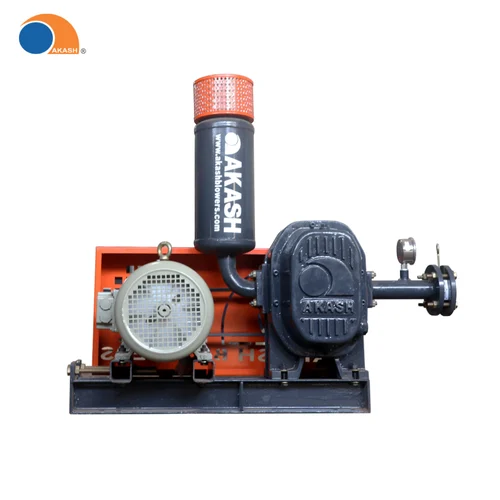
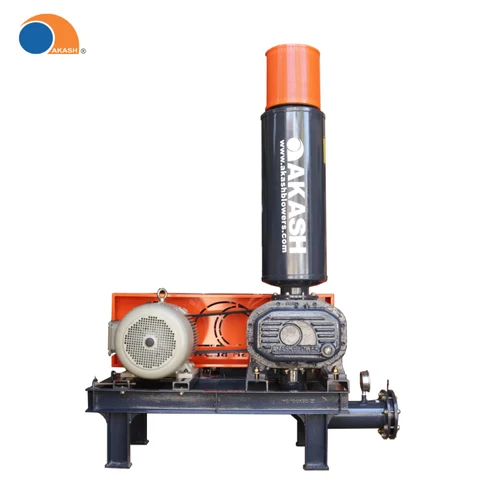
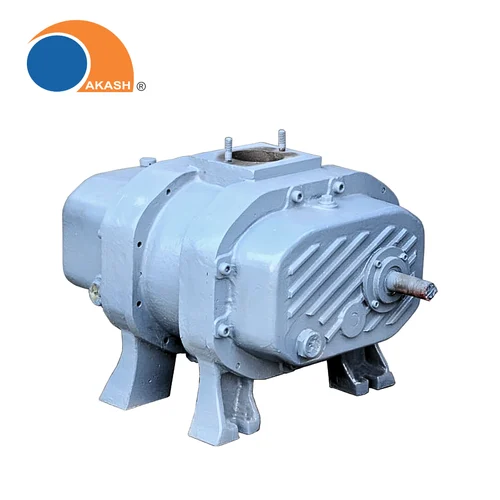
Our Roots Blowers
How to Measure Blower Vibration Levels
How to measure blower vibration levels depends on the detail required. A portable vibration meter is suitable for routine checks and quick overall velocity values. An accelerometer connected to a vibration analyzer provides better accuracy. An FFT analyzer shows frequency spectrum for machine diagnostics.
Online vibration monitoring and wireless sensors are useful for critical blowers running continuously. A vibration monitoring system can track alarms, trends, and early fault patterns without waiting for manual inspection.
Correct measurement points are motor drive end, motor non-drive end, blower drive end, and blower non-drive end. At each point, take horizontal, vertical, and axial readings. Velocity in mm/s is used for overall machine vibration, acceleration in g for bearing vibration, and displacement for low-speed movement or structural looseness.
In practical terms, how to measure blower vibration levels should always include repeatability. Use the same location, direction, instrument setting, and operating condition. This makes condition monitoring more reliable and supports predictive maintenance decisions.
Roots Blower Vibration Analysis
Roots blower vibration analysis uses frequency spectrum data to identify the source of vibration. Instead of only saying the machine vibration is high, it shows which frequency is responsible.
A strong 1X RPM peak usually points toward rotor imbalance, eccentricity, bent shaft, or looseness. A strong 2X RPM peak often indicates shaft misalignment, coupling problems, or soft foot. Bearing frequencies and high-frequency acceleration peaks indicate bearing defects before severe noise appears.
Gear mesh frequencies matter because timing gears keep lobe clearance under control. Gear wear, tooth damage, backlash error, or poor lubrication may create a clear gear mesh peak with sidebands.
High-frequency vibration may indicate bearing failure, lubrication breakdown, rotor rubbing, or process disturbance. Engineers combine FFT analyzer data with temperature, oil condition, pressure, sound, and inspection findings.
Roots Blower Vibration Troubleshooting
Roots blower vibration troubleshooting should follow a logical sequence. Start outside the machine, then move inside. First check foundation, piping, coupling, oil, load, and operating conditions.
If vibration is high in horizontal and vertical directions at 1X RPM, inspect rotor imbalance, base looseness, and soft foot. If axial vibration is high, check coupling alignment and thrust loading. If acceleration is high but velocity is moderate, inspect bearings and lubrication.
If vibration started after maintenance, focus on wrong coupling gap, pipe strain, incorrect shims, loose bolts, or disturbed rotor timing. If vibration increases with pressure, check process load, discharge blockage, relief valve condition, and pipe support.
Effective Roots blower vibration troubleshooting means correcting one issue at a time and taking new readings after each correction. This prevents unnecessary part replacement and improves long-term machine health monitoring.
Preventive Maintenance to Reduce Vibration
Preventive maintenance is the easiest way to reduce blower vibration. Daily inspections should include noise, temperature, oil level, leakage, and pressure.
Weekly checks should include foundation bolts, pipe supports, coupling guard, filter condition, belt condition if applicable, and cleanliness. Monthly inspections should include vibration readings with a portable vibration meter and trend review.
Quarterly maintenance should include coupling alignment verification, lubricant condition, motor current, bearing temperature, and safety valve inspection. Yearly maintenance should include blower inspection, gearbox inspection, rotor clearance check, and full Roots blower vibration analysis on critical machines.
A good maintenance checklist should include oil change intervals, grease quantity, filter replacement, anchor bolt torque, and vibration alarm limits. This turns industrial blower maintenance into planned preventive maintenance instead of emergency repair.
When Should You Contact a Professional?
Contact a professional when vibration remains high after basic correction. Persistent vibration may indicate rotor rubbing, bearing failure, gear damage, casing distortion, or resonance. Do not continue running a blower with scraping noise, heavy knocking, sudden temperature rise, or oil leakage.
You should also call an expert if the blower has repeated bearing failures, high gear noise, coupling damage, or vibration that returns after alignment. These issues require machine diagnostics, clearance measurement, timing inspection, and advanced vibration analysis.
AKASH Blowers can help with industrial roots blower selection, inspection guidance, and low-vibration blower engineering for continuous-duty applications.
Conclusion
How to Check Root Blower Vibration is not only about placing a meter on the machine. It is a complete method that includes visual inspection, foundation checks, coupling alignment, accurate measurement, trend recording, analysis, and corrective action.
Regular vibration monitoring in industrial blowers protects bearings, gears, rotors, motors, and foundations. It also improves reliability, reduces power loss, supports predictive maintenance, and lowers the cost of industrial equipment maintenance.
If you are selecting a new Roots blower or upgrading an existing industrial air blower system, AKASH Blowers offers precision-engineered, low-vibration Roots blowers designed for reliable performance. For guidance on How to Check Root Blower Vibration, contact AKASH Blowers.
Frequaently Asked Question
Root blower vibration is the mechanical movement produced during blower operation due to rotating parts, airflow pulsation, load variation, or mechanical faults. A small amount of vibration is normal, but excessive vibration can indicate rotor imbalance, bearing wear, shaft misalignment, gear wear, loose foundation, or pipe strain.
To check Root blower vibration, first inspect the blower visually, then check foundation bolts, coupling alignment, piping support, bearing condition, lubrication, and operating pressure. After that, measure vibration at the motor and blower bearing housings using a portable vibration meter, accelerometer, or FFT analyzer in horizontal, vertical, and axial directions.
The main causes of vibration in Roots blower systems include rotor imbalance, shaft misalignment, bearing wear, loose foundation bolts, coupling problems, gear wear, rotor rubbing, pipe strain, poor lubrication, motor defects, improper installation, and resonance.
Blower vibration levels are measured using a portable vibration meter, accelerometer, FFT analyzer, online vibration monitoring system, or wireless vibration sensor. Readings are usually taken in velocity, acceleration, and displacement from the motor drive end, motor non-drive end, blower drive end, and blower non-drive end.
Root blower vibration is commonly measured in mm/s RMS for velocity, g for acceleration, and microns or mils for displacement. Velocity is commonly used for overall machine vibration, while acceleration is useful for detecting bearing defects and high-frequency mechanical issues.
Roots blower vibration analysis is the process of studying vibration readings and frequency spectrum data to identify faults in the blower. Engineers use vibration analysis to detect rotor imbalance, shaft misalignment, bearing failure, gear wear, coupling issues, looseness, and rotor rubbing before major breakdown occurs.
An FFT analyzer converts vibration signals into a frequency spectrum. This helps engineers identify whether vibration is caused by 1X RPM imbalance, 2X RPM misalignment, bearing frequencies, gear mesh frequencies, looseness, or high-frequency rubbing. It is useful for detailed machine diagnostics.
Yes, high vibration can damage a Roots blower. It can lead to bearing failure, gear wear, coupling damage, rotor contact, shaft stress, foundation damage, oil leakage, increased noise, reduced efficiency, and unexpected shutdown. Regular vibration monitoring helps prevent these problems.
For critical industrial blowers, vibration should be checked daily through observation and monthly through instrument-based measurement. High-duty or continuous-operation blowers should also use quarterly detailed vibration analysis and yearly inspection as part of preventive maintenance.
You should contact a professional if vibration remains high after tightening foundation bolts, correcting alignment, and checking lubrication. Also call an expert if there is bearing overheating, rotor rubbing, gear noise, oil leakage, repeated bearing failure, sudden noise increase, or vibration that returns after maintenance.
how to check root blower vibration
Roots blower vibration analysis,How to measure blower vibration levels,Roots blower vibration troubleshooting,Causes of vibration in roots blower,Vibration monitoring in industrial blowers
Roots blower vibration analysis,How to measure blower vibration levels,Roots blower vibration troubleshooting,Causes of vibration in roots blower,Vibration monitoring in industrial blowers
What Our Clients Say About Us

RATHOD VIJAY
4 months ago
- List Item #1
- List Item #1
- List Item #1
- List Item #1
- List Item #1
Verified Purchase
Akash Blowers service always excellent, deliveries always on time, staff highly technical and cooperative. Industrial Roots Blower performance great.

Jayesh Pangam
3 months ago
- List Item #1
- List Item #1
- List Item #1
- List Item #1
- List Item #1
Verified Purchase
Product quality very good and after-sales support also reliable. With 100% spare parts available, their Ring Blowers service makes the team more dependable.

Arvind Raut
3 months ago
- List Item #1
- List Item #1
- List Item #1
- List Item #1
- List Item #1
Verified Purchase
Akash Blowers Pvt Ltd makes quality Air Blowers; with 5 years of support their service stays prompt and cost-effective. Roots Blower performance always reliable.

Akshara m
4 months ago
- List Item #1
- List Item #1
- List Item #1
- List Item #1
- List Item #1
Verified Purchase
Best and timely service providers offering quick support and smooth coordination, delivering dependable Water Treatment Blower solutions for every requirement.
Aparna S
3 months ago
- List Item #1
- List Item #1
- List Item #1
- List Item #1
- List Item #1
Verified Purchase
Good staff service, quick quotes, and efficient Roots Blower performance. Client fully satisfied and issues resolved instantly. Well done Akash Blowers.

Anuj Sharma
3 months ago
- List Item #1
- List Item #1
- List Item #1
- List Item #1
- List Item #1
Verified Purchase
Good experience with Akash Products. Best service, on-time delivery and friendly staff. A trusted choice for Twin Lobe Roots Blower users.

Himmat Singh
Month ago
- List Item #1
- List Item #1
- List Item #1
- List Item #1
- List Item #1
Verified Purchase
Product quality very good, sales and service staff helpful, spare parts easy to get, and their Ring Blower support remains reliable and smooth.

Amit Yadav Yadav
3 years ago
- List Item #1
- List Item #1
- List Item #1
- List Item #1
- List Item #1
Verified Purchase
We’re associated for 5 years; models like AB-305, AB-44, AB-52 work great. Support is reliable, especially in Industrial Roots Blower solutions.

Divyanshu pandey
2 months ago
- List Item #1
- List Item #1
- List Item #1
- List Item #1
- List Item #1
Verified Purchase
I like all the work of this company. Very best 👍🏻 Best quality material and reliable Air Blower and Roots Blower products.

UNISTAR AQUATECH
2 months ago
- List Item #1
- List Item #1
- List Item #1
- List Item #1
- List Item #1
Verified Purchase
Very good experience with Akash Blower Company. Supportive team and quick response. Trusted for Water Treatment Blower solutions.

Dhanashree Jadhav
3 months ago
- List Item #1
- List Item #1
- List Item #1
- List Item #1
- List Item #1
Verified Purchase
Very nice service provided by Akash Blowers team. Reliable support for Ring Blower and other Industrial Roots Blower needs.

Pardeep Kumar
3 years ago
- List Item #1
- List Item #1
- List Item #1
- List Item #1
- List Item #1
Verified Purchase
Such a wonderful company to buy Ring Blower. Purchased 1 year ago, still works perfectly. Fully satisfied with Roots Blower support.

Sumeet bansal
2 months ago
- List Item #1
- List Item #1
- List Item #1
- List Item #1
- List Item #1
Verified Purchase
Their products and service are very good. Trusted for high-quality Air Blower and reliable Twin Lobe Roots Blower solutions.

Ewaltz works
9 months ago
- List Item #1
- List Item #1
- List Item #1
- List Item #1
- List Item #1
Verified Purchase
Akesh Blowers provides best on-time service and delivery. Technical, cooperative staff. Ideal for Roots Air Blower, Screw Press, and spares.

Saumyaranjan Nayak
10 months ago
- List Item #1
- List Item #1
- List Item #1
- List Item #1
- List Item #1
Verified Purchase
Best on-time service and delivery within 24–48 hours. Friendly, cooperative staff. Ideal for Roots Blower and Industrial Air Blower needs.

Account Amitaqua
3 months ago
- List Item #1
- List Item #1
- List Item #1
- List Item #1
- List Item #1
Verified Purchase
Good experience with Akash Products; their service is reliable, and both Air Blower and Roots Blower solutions deliver consistent high quality.

Mohit Kumar
2 months ago
- List Item #1
- List Item #1
- List Item #1
- List Item #1
- List Item #1
Verified Purchase
Good product and excellent service. Trusted for reliable Air Blower and high-quality Twin Lobe Roots Blower solutions.

Kishan Bhagat
11 months ago
- List Item #1
- List Item #1
- List Item #1
- List Item #1
- List Item #1
Verified Purchase
Company bahut achi hai. Staff bhi bahut acha hai. 3 saal se koi problem nahi hui. First-class service for Ring Blower & Roots Blower.

Harsh Sharma
10 months ago
- List Item #1
- List Item #1
- List Item #1
- List Item #1
- List Item #1
Verified Purchase
Good company nd quality of blowers so good nd service bhi too good. Ring Blower and Air Blower products are very reliable.

Sudhish Kumar
10 months ago
- List Item #1
- List Item #1
- List Item #1
- List Item #1
- List Item #1
Verified Purchase
Good experience with Akash Products. Nice design, excellent output as per requirement. Trusted for Roots Blower & Air Blower.
Review Us on Google
Take a moment to review us on Google and let us know how we’re doing. Your feedback helps us improve and continue delivering the best solutions.
Click Hereadvantages and disadvantages of roots blower, Pros and cons of roots blower,Benefits of roots air blower,Limitations of roots blower system,Limitations of roots blower system,Roots blower disadvantages and problems
advantages and disadvantages of roots blower, Pros and cons of roots blower,Benefits of roots air blower,Limitations of roots blower system,Limitations of roots blower system,Roots blower disadvantages and problems